
An article from The Conversation Africa examines the additional barriers faced by pregnant women with disabilities in Lagos, Nigeria, within a broader maternal health crisis. It notes that around 70% of global maternal deaths occur in sub-Saharan Africa, driven by limited access to timely, quality maternity care, shortages of skilled health workers and essential medical supplies, and that Nigeria accounts for a substantial share of these deaths despite years of investment in maternal health services.
AI summary. Verify with the original source.
Read full story at The Conversation Africa ↗
Listen
Unlock audio summaries, audio summaries, AI chat, Wikipedia facts, and ad-free reading.
$3.99 / month · cancel anytime
Go PremiumBackground facts
Unlock wikipedia facts, audio summaries, AI chat, Wikipedia facts, and ad-free reading.
$3.99 / month · cancel anytime
Go PremiumSimilar stories

A new study has found that maternal mortality in Nigeria remains high even when pregnant women reach hospitals, according to Punch. The research points to systemic failures within the healthcare system, alongside the ongoing brain drain of medical professionals, as key factors costing lives. The findings suggest that simply arriving at a health facility is no longer sufficient to guarantee survival for expectant mothers, highlighting deeper structural problems in Nigeria's maternal healthcare delivery.
Punch·September 9, 2026 at 12:43 AM
A leading medical expert has warned that pregnant women in Nigeria cannot always rely on hospital arrival to guarantee safe childbirth, according to Tori.ng. The warning highlights serious shortcomings in maternity care, suggesting that reaching a health facility does not necessarily ensure women receive the treatment needed to survive labour and delivery. The report points to a broader crisis in Nigeria's maternal health system, raising concerns about the quality and availability of care for expectant mothers.
Tori.ng·September 9, 2026 at 7:58 AMA new study has found that stockouts of multiple micronutrient supplements (MMS) at health facilities are contributing to Nigeria's burden of maternal anaemia, according to Leadership. Pregnant women experiencing fatigue, weakness and other anaemia symptoms often cannot access the nutritional support needed to protect themselves and their babies, as the essential supplements are frequently unavailable. The report highlights how these supply gaps undermine antenatal care for many women across the country.
Leadership (NG)·September 9, 2026 at 6:21 AM
The Society for Family Health (SFH) has reported that shortages of essential commodities, service delivery tools, and provider training resources are significant challenges affecting the quality of family planning services in Abia and Akwa Ibom States. Dr. Eze Nwokoma, the Project Coordinator of SFH, made this statement in Abuja, highlighting the need for improvements in these areas.
Leadership (NG)·July 5, 2026 at 8:17 AM
The State House health monitoring unit has identified several challenges contributing to maternal deaths in Bududa, Uganda, during a two-week visit to local health facilities. The team, led by Dr. Stephen Ataro Ayella, the assistant Director for northern Uganda, reported on the poor health delivery affecting expectant mothers in the region.
The Independent (UG)·July 4, 2026 at 3:00 PM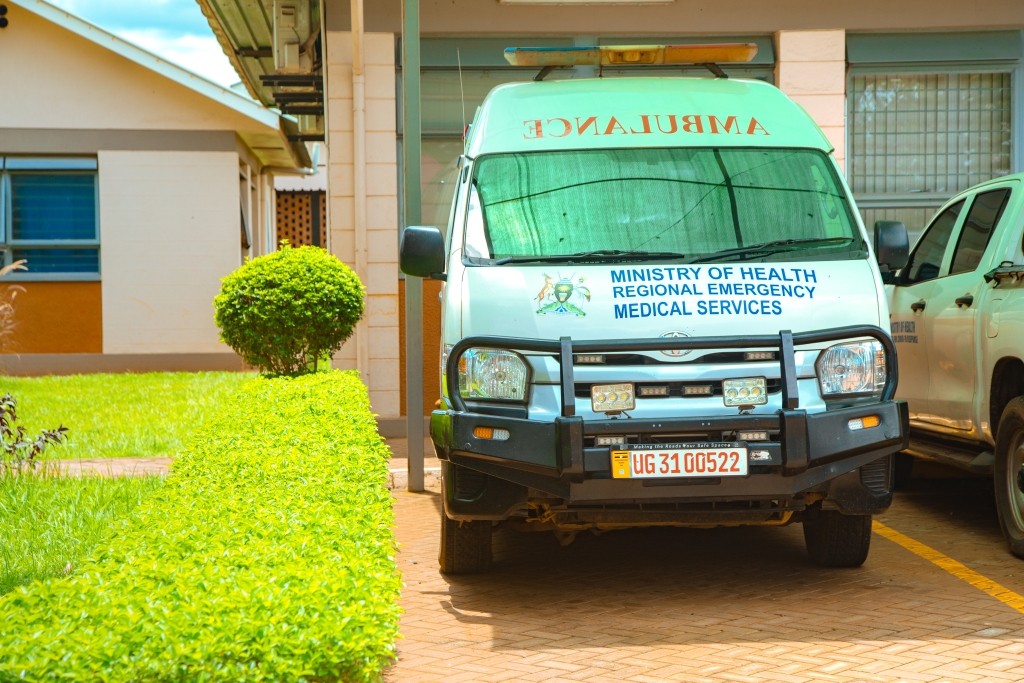
During the celebration of International Women’s Day 2026 in Uganda, Kayunga District emphasized the urgent issue of lacking a functional ambulance at Bbaale Health Centre IV, which endangers the lives of expectant mothers. The event, themed "Scaling up Investment to Accelerate Access to Justice for All Women and Girls," highlighted maternal health concerns while health workers pointed out the critical infrastructure gap affecting emergency services.
The Scribe (UG)·July 1, 2026 at 5:13 PM