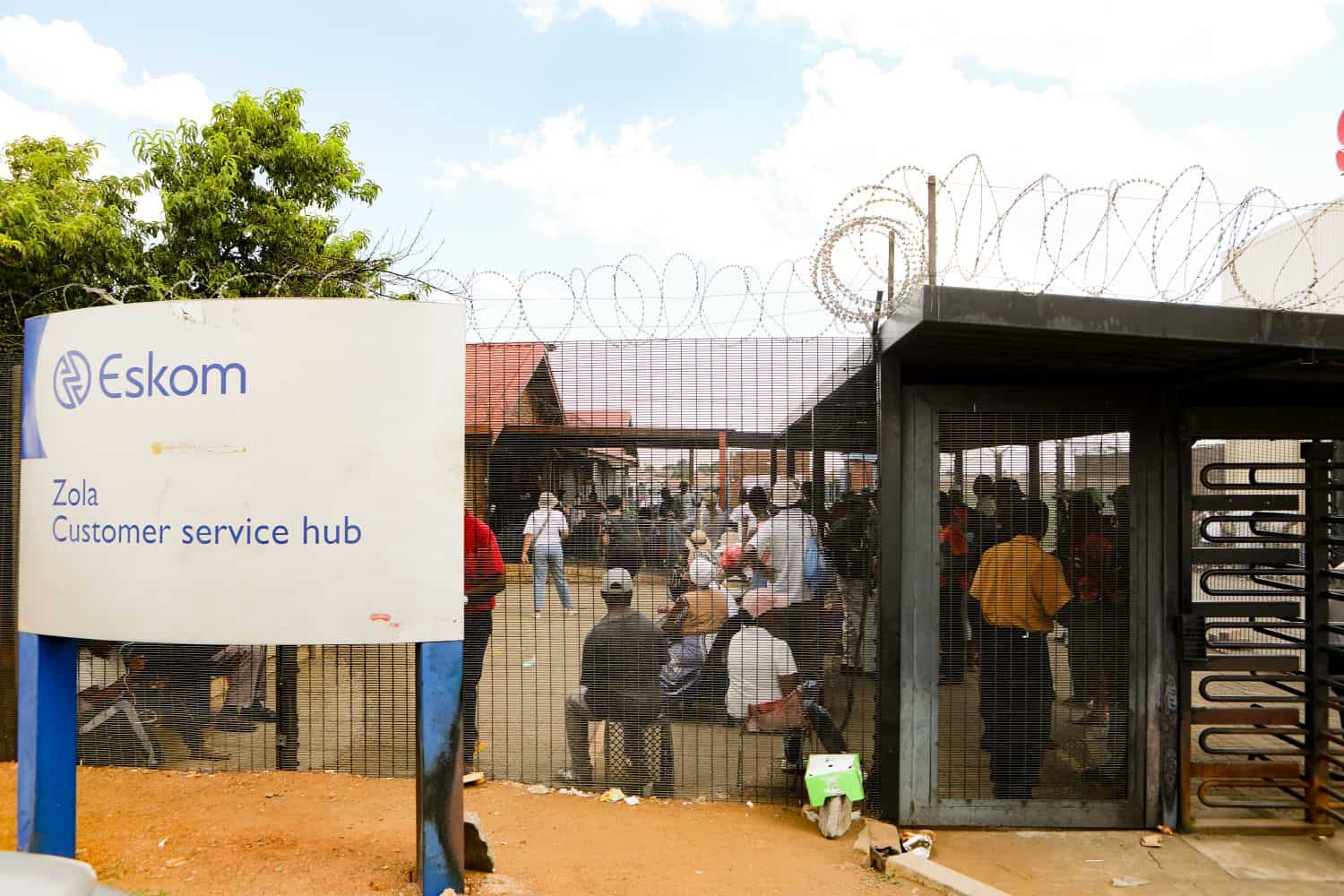
South African power utility Eskom faces scrutiny over the sustainability of its profitability as municipal debt owed to it climbs to nearly R120 billion while electricity sales volumes decline by 6.2%. According to The Citizen Business, the figures raise questions about whether the utility's financial gains are being achieved at the expense of struggling municipalities and consumers, amid ongoing concerns about affordability and declining demand across the country.
AI summary. Verify with the original source.
Read full story at The Citizen Business ↗
Listen
Unlock audio summaries, audio summaries, AI chat, Wikipedia facts, and ad-free reading.
$3.99 / month · cancel anytime
Go PremiumBackground facts
Unlock wikipedia facts, audio summaries, AI chat, Wikipedia facts, and ad-free reading.
$3.99 / month · cancel anytime
Go PremiumSimilar stories

South African power utility Eskom continues to face significant challenges despite returning to profitability, according to The Citizen Business. The utility remains burdened by smothering debt and ongoing governance problems, suggesting its financial recovery is not yet secure. The report outlines three warning signs indicating that Eskom's turnaround remains fragile, with its debt obligations and internal governance issues posing risks to sustained improvement at the state-owned electricity provider.
The Citizen Business·September 4, 2026 at 11:13 AM
Johannesburg has taken out a significant loan to address its electricity issues, as the city's power infrastructure and billing systems require urgent improvements. A survey indicated that only 38% of residents were satisfied with their electricity services in 2023/2024, a sharp decline from 77% in 2017/18. The auditor general reported that the city allocated only 1% of its operating budget for maintenance in 2024/25, well below the recommended 8%.
The Conversation Africa·June 23, 2026 at 11:26 AMSouth African households are under severe financial strain as the rising cost of essentials consumes a growing share of monthly incomes, according to IOL. The report indicates that many families are reaching breaking point, with spending on necessities such as food, transport and utilities outpacing earnings. The squeeze on disposable income highlights mounting pressure on consumers already grappling with a tough economic environment, leaving little room for savings or non-essential spending.
IOL·September 7, 2026 at 5:30 PM
The City of Johannesburg has secured a loan of R3.8 billion aimed at addressing its electricity issues. The funds will be used to tackle the backlog in maintenance and major capital works, which is expected to take time to resolve.
Moneyweb·June 25, 2026 at 2:06 AM
South Africa is transitioning from coal-fired electricity, which currently accounts for 74% of its power, to renewable sources like wind and solar. This shift is complicated and is being hindered by the need for a different electricity system and new grid management strategies. Additionally, significant changes are required at Eskom, the state-owned utility that has historically dominated the power sector.
The Conversation Africa·June 30, 2026 at 10:56 AMA recent drop in fuel prices has provided some relief to South African households; however, they continue to face significant challenges due to rising unemployment, high food costs, and increasing municipal bills. This situation leaves many families in a precarious financial position, struggling to manage their expenses amidst these pressures.
IOL·July 5, 2026 at 4:00 AM