
As global temperatures rise, surface water sources in Africa are becoming increasingly erratic, leading to concerns about water availability. Approximately 400 million people in Africa lack access to basic drinking water services. However, scientists are focusing on mapping and monitoring the continent's groundwater, which is estimated to be 0.66 million cubic kilometers, significantly more than the freshwater in all of Africa's lakes combined, to prepare for future climate challenges.
AI summary. Verify with the original source.
Read full story at The Conversation Africa ↗
Listen
Unlock audio summaries, audio summaries, AI chat, Wikipedia facts, and ad-free reading.
$3.99 / month · cancel anytime
Go PremiumBackground facts
Unlock wikipedia facts, audio summaries, AI chat, Wikipedia facts, and ad-free reading.
$3.99 / month · cancel anytime
Go PremiumSimilar stories
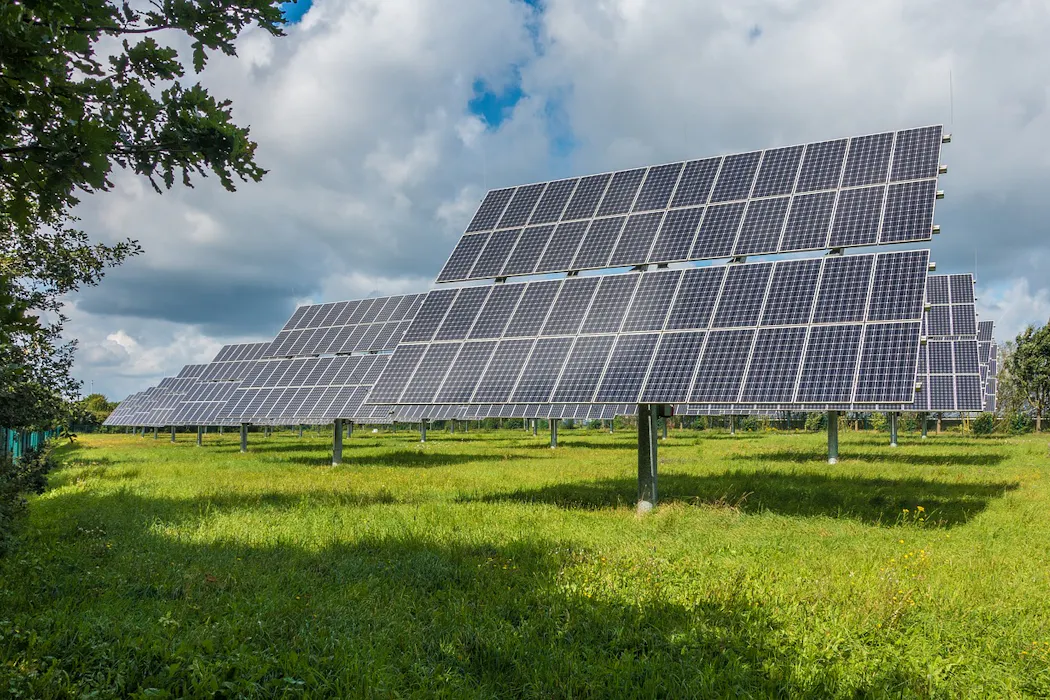
A study tracking 3,139 power plants in Africa reveals that fossil fuels continue to dominate the continent's electricity generation, with only about 57% of the population having access to electricity, primarily in sub-Saharan Africa. To achieve the United Nations goal of universal access to affordable electricity by 2030, rapid expansion of electricity generation is necessary. However, this expansion poses challenges related to water resources and climate change due to greenhouse gas emissions from power plants, particularly coal-fired ones.
The Conversation Africa·June 23, 2026 at 2:20 PM
Africa is experiencing a significant decline in foreign aid, with official development assistance dropping by 23.1% in 2025, the largest annual decrease on record, and a further projected decline of 5.8% in 2026. This decline is compounded by rising debt, climate pressures, and a weakening global order. The UN Trade and Development has noted that debt servicing is hindering investment in essential sectors like education and health, presenting both a crisis and an opportunity for financial discipline, according to The Conversation Africa.
The Conversation Africa·June 21, 2026 at 5:04 AM
Climate prediction scientists announced in June 2026 that a super El Niño had formed, expected to be one of the strongest on record. This phenomenon occurs when the Pacific Ocean's surface warms unusually, impacting global weather patterns and potentially leading to extreme events like droughts and floods. In southern Africa, previous cycles have resulted in severe hot and dry conditions, affecting millions and threatening marine life such as seals and sea lions.
The Conversation Africa·July 5, 2026 at 2:48 PM
According to The Citizen, Africa may experience economic impacts from El Nino, particularly in agriculture, which is a vital sector for many countries. The phenomenon could lead to reduced harvests and increased food prices, affecting consumers financially.
The Citizen (ZA)·June 25, 2026 at 4:00 AM
The demand for critical minerals such as lithium, vanadium, copper, and cobalt, driven by the global transition to green energy, has implications for deforestation in Africa. Sub-Saharan Africa contains about 30% of the world's mineral reserves, including significant amounts of platinum, chromium, manganese, and cobalt, much of which is located beneath biodiverse forests that play a crucial role in carbon capture and soil health, according to The Conversation Africa.
The Conversation Africa·June 29, 2026 at 2:22 PM
In June, Europe experienced unprecedented temperature records, which scientists indicate may signal a continuing trend of rising temperatures. The situation is illustrated through seven charts that highlight the alarming changes in the climate across the continent.
BBC World·July 4, 2026 at 12:57 AM