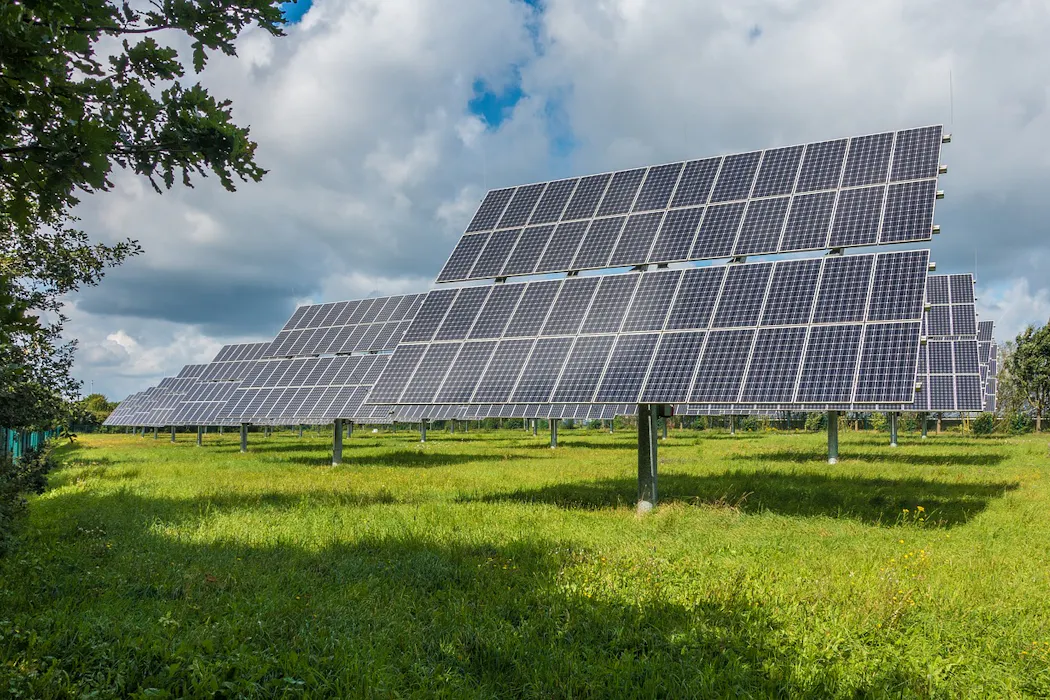
A study tracking 3,139 power plants in Africa reveals that fossil fuels continue to dominate the continent's electricity generation, with only about 57% of the population having access to electricity, primarily in sub-Saharan Africa. To achieve the United Nations goal of universal access to affordable electricity by 2030, rapid expansion of electricity generation is necessary. However, this expansion poses challenges related to water resources and climate change due to greenhouse gas emissions from power plants, particularly coal-fired ones.
AI summary. Verify with the original source.
Read full story at The Conversation Africa ↗
Listen
Unlock audio summaries, audio summaries, AI chat, Wikipedia facts, and ad-free reading.
$3.99 / month · cancel anytime
Go PremiumBackground facts
Unlock wikipedia facts, audio summaries, AI chat, Wikipedia facts, and ad-free reading.
$3.99 / month · cancel anytime
Go PremiumSimilar stories

South Africa is transitioning from coal-fired electricity, which currently accounts for 74% of its power, to renewable sources like wind and solar. This shift is complicated and is being hindered by the need for a different electricity system and new grid management strategies. Additionally, significant changes are required at Eskom, the state-owned utility that has historically dominated the power sector.
The Conversation Africa·June 30, 2026 at 10:56 AM
A global report released by the WHO and partners indicates that over 655 million people worldwide lack access to electricity, while nearly two billion depend on polluting fuels for cooking. This situation poses significant health risks and exacerbates existing inequalities, highlighting a potential global energy and health crisis.
Vanguard (NG)·June 24, 2026 at 11:02 PM
Africa's reliance on imported fuel is particularly pronounced in the transport sector, where road transport consumes about 80 percent of the continent's imported fuel. This dependence significantly impacts the economy, as transport costs can account for up to 45 percent of the final retail price of staple foods, highlighting both a challenge and an opportunity for energy solutions in the region.
Tanzania Times·July 5, 2026 at 10:58 AM
A report indicates that while Africa has seen growth in hydropower generation, Nigeria continues to face significant challenges with chronic power shortages, frequent grid failures, and a substantial electricity access deficit, despite having considerable hydropower resources.
Premium Times Business·June 23, 2026 at 11:06 PM
The World Bank and the African Development Bank (AfDB) have successfully connected over 50 million people to electricity through their Mission 300 initiative, which spans 40 African countries. This effort aims to accelerate electricity access across the continent.
Punch·June 25, 2026 at 12:09 AM
As global temperatures rise, surface water sources in Africa are becoming increasingly erratic, leading to concerns about water availability. Approximately 400 million people in Africa lack access to basic drinking water services. However, scientists are focusing on mapping and monitoring the continent's groundwater, which is estimated to be 0.66 million cubic kilometers, significantly more than the freshwater in all of Africa's lakes combined, to prepare for future climate challenges.
The Conversation Africa·June 22, 2026 at 1:51 PM