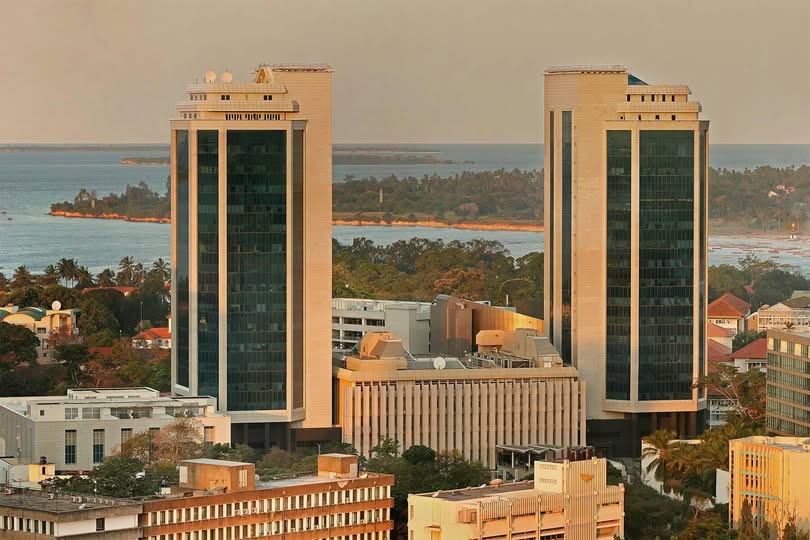
Economic and financial analysts have expressed support for the Finance Act, 2026, which allows the Tanzanian government to secure temporary advances from the Bank of Tanzania (BoT). They view this provision as a crucial economic shock absorber during emergencies, aligning with standard fiscal practices used in various countries to protect economies from unforeseen challenges.
AI summary. Verify with the original source.
Read full story at Daily News (TZ) ↗
Listen
Unlock audio summaries, audio summaries, AI chat, Wikipedia facts, and ad-free reading.
$3.99 / month · cancel anytime
Go PremiumBackground facts
Unlock wikipedia facts, audio summaries, AI chat, Wikipedia facts, and ad-free reading.
$3.99 / month · cancel anytime
Go PremiumSimilar stories
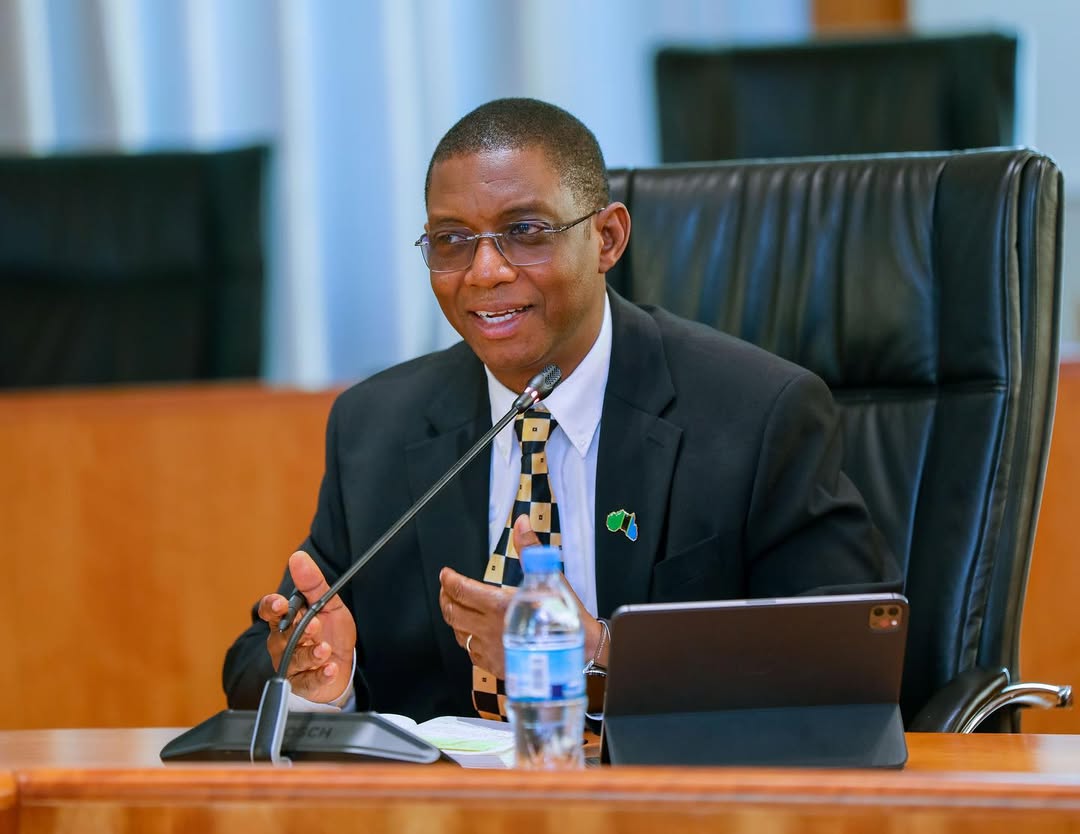
The Bank of Tanzania has reduced its liquid reserves while increasing its gold holdings, indicating a strategic shift in managing the country's foreign assets amid global economic uncertainties. As of May, the central bank's cash and cash equivalents were at 3.99 trillion Tanzanian shillings, a slight decrease from 4.03 trillion shillings at the end of the previous month, according to Daily News.
Daily News (TZ)·June 25, 2026 at 5:58 AM
The Bank of Tanzania (BoT) is providing education to the public about the security features on Tanzanian banknotes to help them distinguish between genuine and counterfeit currency. This initiative is part of a broader effort to promote proper money management to prevent deterioration or early wear of banknotes. Shadrack Mapunda, an official from the Currency Management Directorate at BoT, spoke at the 50th Dar es Salaam International Trade Fair on July 4, 2026.
Michuzi Blog·July 4, 2026 at 7:59 PM
According to Tanzania Affairs, the Bank of Tanzania is positioned to sustain the stability of the shilling due to its strong gold reserves. This stability is attributed to the leadership of President Dr. Samia, who has carefully managed initiatives to support the economy in 2026.
Tanzania Affairs·February 1, 2026 at 12:52 AM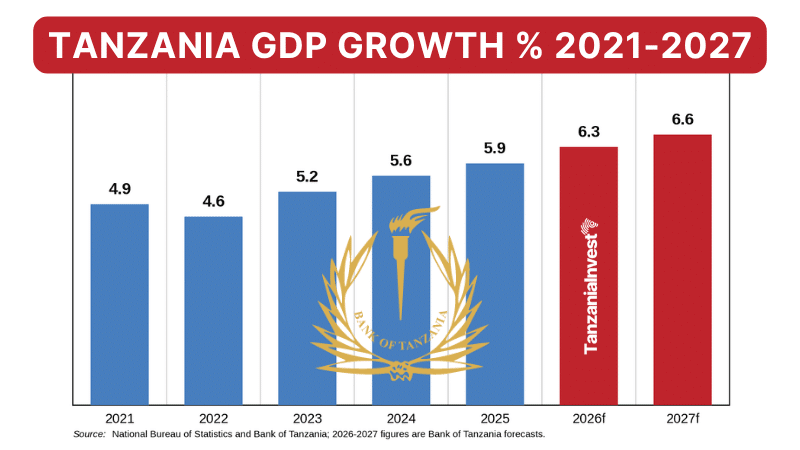
The Central Bank of Tanzania has projected a GDP growth of 6.3% for 2026 and 6.6% for 2027, driven by public and private investments as well as exports. According to its latest Monetary Policy Statement for 2026/27, key sectors contributing to this growth include agriculture, mining, tourism, and construction. Inflation is expected to rise but will remain within the target range of 3-5%.
TanzaniaInvest·June 18, 2026 at 2:26 AM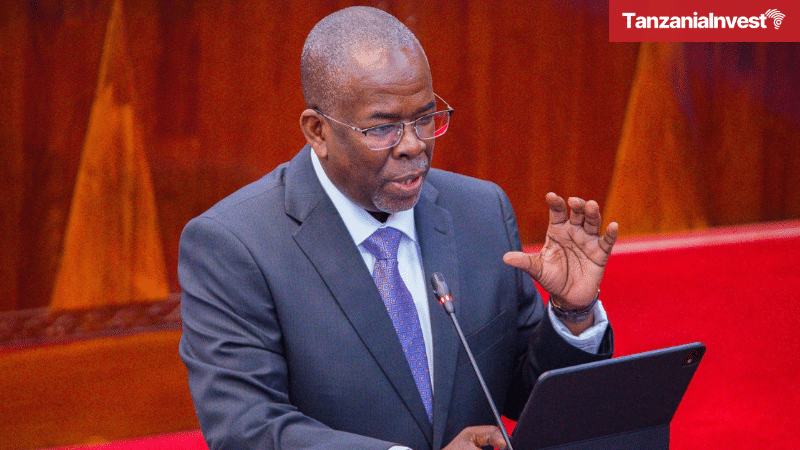
Tanzania's Finance Bill 2026, introduced by Finance Minister Ambassador Khamis Mussa Omar on 24 June 2026, will take effect on 1 July 2026 and amends 26 laws to implement the 2026/27 budget tax measures. Key changes include the removal of a proposed 1% withholding tax on agricultural produce, a reduction in SME presumptive tax to 4%, and softened excise duties on imported used vehicles, among other adjustments.
TanzaniaInvest·June 26, 2026 at 1:39 AM
Members of Parliament in Dar es Salaam expressed strong support for the amendments to the Finance Bill, 2026, viewing them as a significant relief for citizens. The government incorporated recommendations from the Parliamentary Standing Committee on Budget, which was praised by lawmakers during the National Assembly debate.
Daily News (TZ)·June 25, 2026 at 6:03 AM