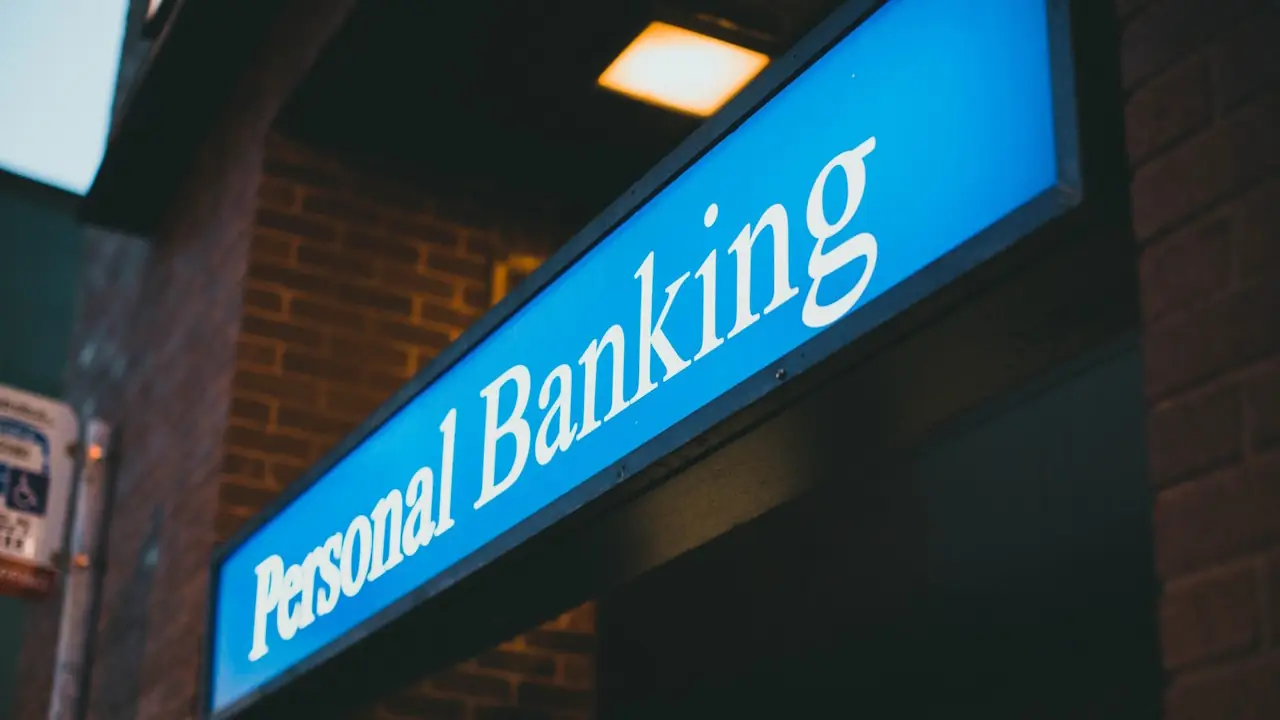
In April, Uganda's private sector showed increased activity, with the headline purchasing managers' index rising to 55, its highest in five months, according to the Bank of Uganda's business tendency survey. Financial services experienced their strongest growth ever, indicating strong confidence in the sector, despite ongoing fuel-driven cost pressures. However, the survey also suggested that the underlying momentum may be losing some of its earlier strength.
AI summary. Verify with the original source.
Read full story at Uganda Business News ↗
Listen
Unlock audio summaries, audio summaries, AI chat, Wikipedia facts, and ad-free reading.
$3.99 / month · cancel anytime
Go PremiumBackground facts
Unlock wikipedia facts, audio summaries, AI chat, Wikipedia facts, and ad-free reading.
$3.99 / month · cancel anytime
Go PremiumSimilar stories
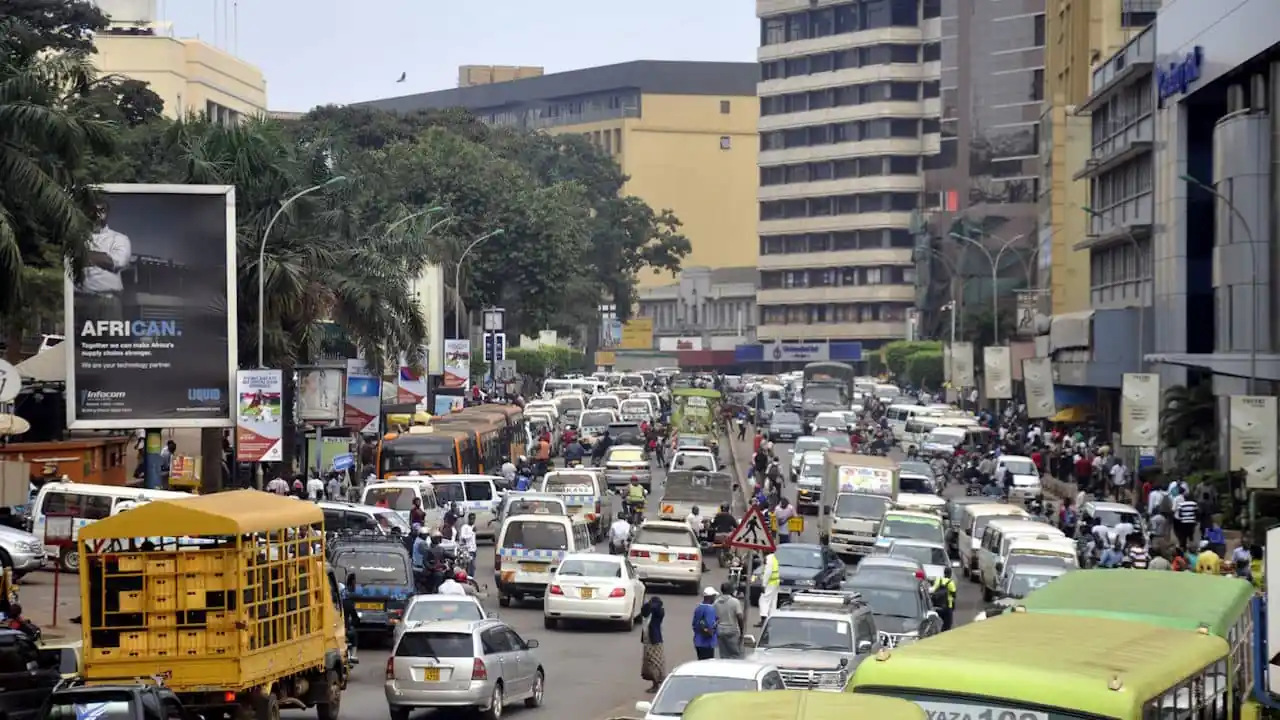
Uganda's inflation increased to 3 percent in April, up from 2.8 percent in March, primarily due to rising energy and transport costs, according to data from the Uganda Bureau of Statistics. Monthly prices rose by 0.6 percent, marking the fastest increase since February 2025, while food and core components showed contained price pressures.
Uganda Business News·April 30, 2026 at 1:40 PM
According to the latest Stanbic Bank Kenya Purchasing Managers' Index (PMI), Kenya's private sector activity improved in June, rising to 50 from 46.6 in May. This increase indicates a stabilisation in business conditions, attributed to rising sales.
Capital FM Business·July 3, 2026 at 9:22 AM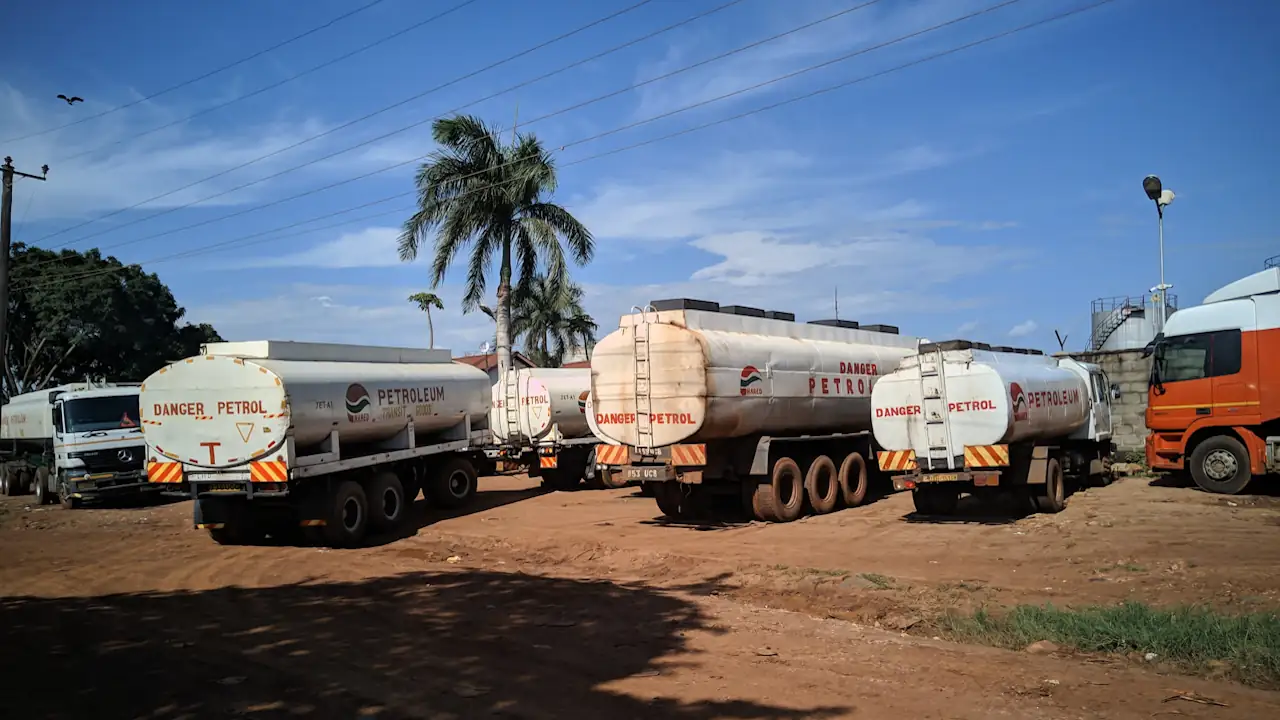
Uganda's annual inflation rate increased to 3.2 percent in May from 3 percent in April, primarily due to rising fuel and transport costs associated with higher global oil prices. This trend has raised concerns at the Bank of Uganda regarding external inflation pressures, while food prices have remained relatively stable. The Uganda Bureau of Statistics reported a monthly consumer price rise of 0.7 percent.
Uganda Business News·June 1, 2026 at 5:12 AM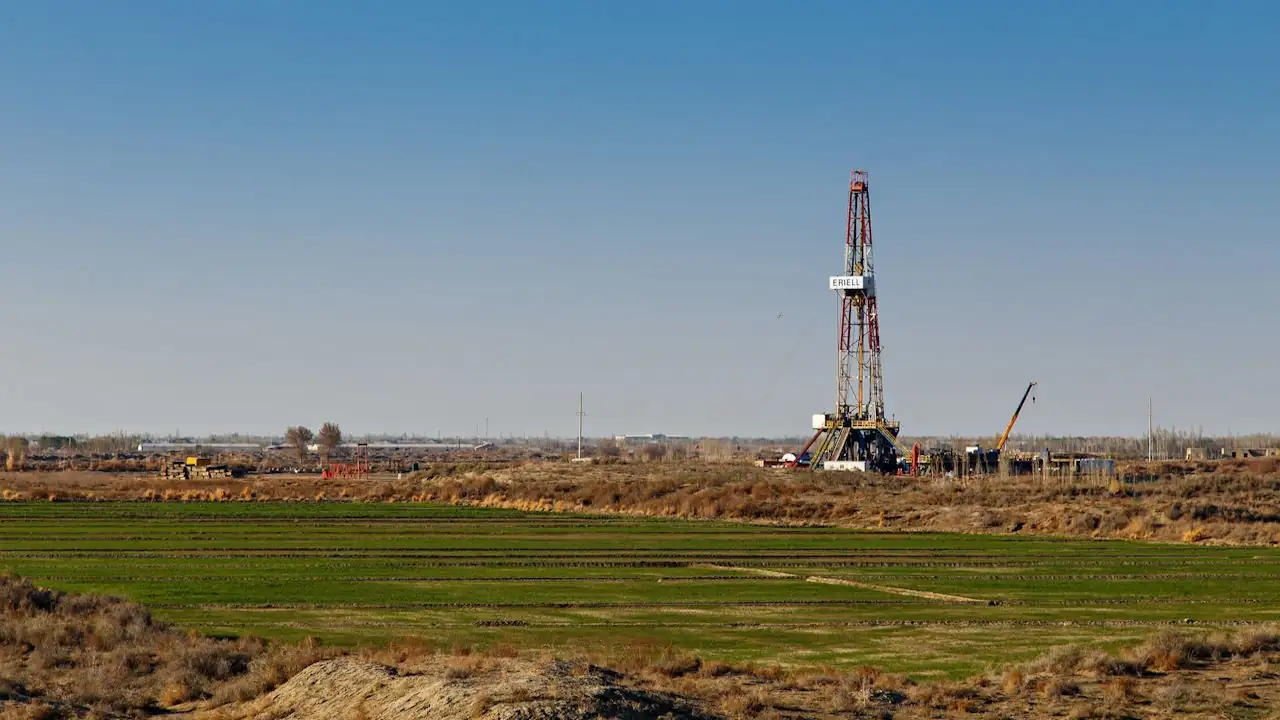
According to the IMF's latest Regional Economic Outlook, Uganda is projected to be one of the fastest-growing economies globally over the next two years, despite a challenging environment for sub-Saharan Africa due to external shocks. The report highlights that while the region faces higher energy costs and tighter financial conditions, Uganda's growth is expected to accelerate significantly, driven by its oil sector.
Uganda Business News·April 16, 2026 at 1:46 PM
Uganda's electricity regulator has announced that power tariffs will remain largely unchanged for the second quarter of 2026, as a strengthening shilling has balanced out a slight increase in global fuel prices. The Electricity Regulatory Authority noted that the approved end-user tariffs for April to June reflect changes in macroeconomic factors, but ultimately maintain stable pricing. The Ugandan shilling appreciated against the US dollar, reducing pressure on costs associated with dollar-denominated electricity generation.
Uganda Business News·April 9, 2026 at 6:34 AM
The Private Sector Budget Review Dialogue has raised concerns about policy bottlenecks affecting Uganda's economic growth. Industry leaders argue that high operating costs and regulatory challenges hinder competitiveness, which is crucial for achieving the country's ambitious growth targets. They emphasize that enhancing business conditions may be as vital as increasing revenue mobilization to support Uganda's tenfold growth agenda.
NTV Uganda·June 24, 2026 at 7:21 PM