
In Nigeria, poverty and malnutrition are significant factors contributing to preventable childhood killer diseases such as malaria and pneumonia, despite the availability of vaccines. The situation highlights the challenges faced in addressing these health issues effectively, as socioeconomic conditions hinder access to necessary healthcare and nutrition.
AI summary. Verify with the original source.
Listen
Unlock audio summaries, audio summaries, AI chat, Wikipedia facts, and ad-free reading.
$3.99 / month · cancel anytime
Go PremiumBackground facts
Unlock wikipedia facts, audio summaries, AI chat, Wikipedia facts, and ad-free reading.
$3.99 / month · cancel anytime
Go PremiumSimilar stories
Gas flaring in Rivers State communities has been associated with increased rates of childhood deaths and respiratory diseases, highlighting the human cost of this environmental pollution, according to Punch.
Punch·July 5, 2026 at 12:34 AM
A new report suggests that governments and global health donors should explore the potential of private pharmacies as a means to enhance access to care for HIV, tuberculosis, and malaria. This recommendation comes in light of decreasing funding for public health systems globally. The report is titled "Private Pharmacies as a Delivery Channel for HIV, TB, and Malaria Care."
Uganda Standard·June 24, 2026 at 4:01 PM
Vaccine uptake has been declining in Brazil and South Africa over the last decade, reversing gains in protecting children against vaccine-preventable diseases like measles and polio. Both countries have universal and free childhood immunisation programmes, yet Brazil has seen a drop of 10-20 percentage points in coverage since 2016, remaining below the 95% target for routine vaccines. South Africa's vaccination coverage has also steadily declined since 2015.
The Conversation Africa·June 21, 2026 at 5:03 AMAccording to NACA, Nigeria is now better equipped to handle future pandemics due to strategic investments made through the Global Fund’s COVID-19 Response Mechanism, which have strengthened the country's pandemic response capabilities.
Punch·June 25, 2026 at 12:00 AM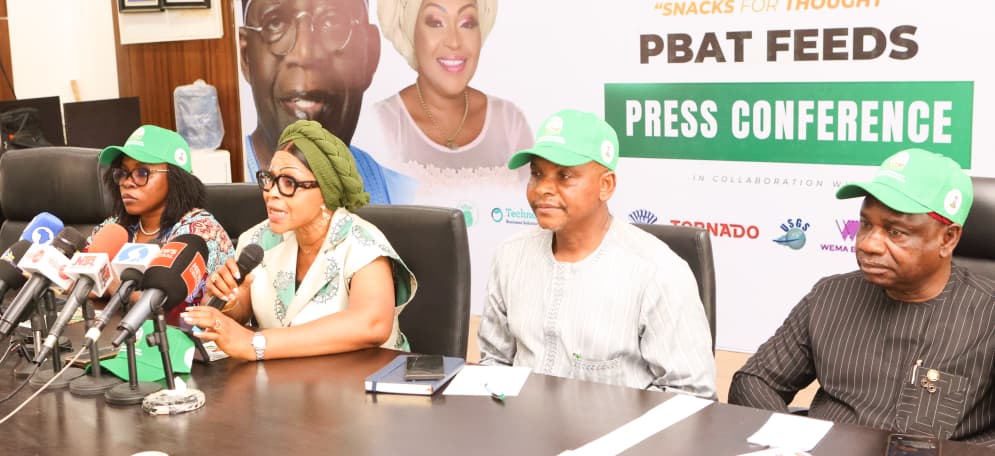
PBAT Feeds has launched an initiative aimed at providing nutritional support to 30,000 pupils in Lagos, addressing the issue of hunger that affects students' ability to learn. According to Adebowale, many children come to school eager to learn but struggle to perform due to inadequate nutrition.
PM News (NG)·June 24, 2026 at 4:36 PM
The Kano State Government has initiated the third phase of the Safe Antimicrobial Resistance of Mass Administration of Azithromycin in Children in Nigeria (SARMAAN II) project, aiming to reach over 2.95 million children under five years old across 36 local government areas. The launch was marked by a ceremony attended by the Kano State Commissioner for Health, among others.
Tribune Online (NG)·July 4, 2026 at 4:51 PM