
According to TimesLIVE, the dynamics of power in Africa are shifting, with renewable energy becoming a significant part of the solution to energy challenges on the continent. This change reflects a broader trend towards sustainable energy sources in response to various socio-economic factors.
AI summary. Verify with the original source.
Read full story at TimesLIVE ↗
Listen
Unlock audio summaries, audio summaries, AI chat, Wikipedia facts, and ad-free reading.
$3.99 / month · cancel anytime
Go PremiumBackground facts
Unlock wikipedia facts, audio summaries, AI chat, Wikipedia facts, and ad-free reading.
$3.99 / month · cancel anytime
Go PremiumSimilar stories
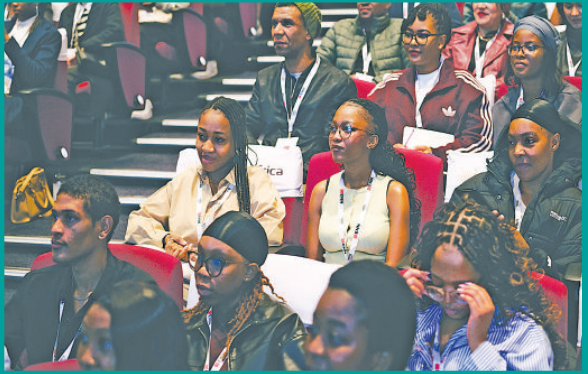
As Africa advances its energy transition, young people are becoming vital in driving innovation and entrepreneurship, particularly in clean cooking solutions. The Africa Energy Forum (AEF) emphasizes the need for the continent's youth to actively participate in developing energy solutions, highlighting their potential role in community transformation.
Daily News (TZ)·July 4, 2026 at 11:37 AMAt COP30 in Belém, Brazil, Tanzania, led by James L. Laizer, chaired the African Group and advocated for a careful strategy regarding the phase-out of fossil fuels among African nations. The call for bold action highlights Tanzania's commitment to balancing tourism and environmental conservation while addressing energy needs.
Tanzania Affairs·February 1, 2026 at 12:50 AM
The demand for critical minerals such as lithium, vanadium, copper, and cobalt, driven by the global transition to green energy, has implications for deforestation in Africa. Sub-Saharan Africa contains about 30% of the world's mineral reserves, including significant amounts of platinum, chromium, manganese, and cobalt, much of which is located beneath biodiverse forests that play a crucial role in carbon capture and soil health, according to The Conversation Africa.
The Conversation Africa·June 29, 2026 at 2:22 PM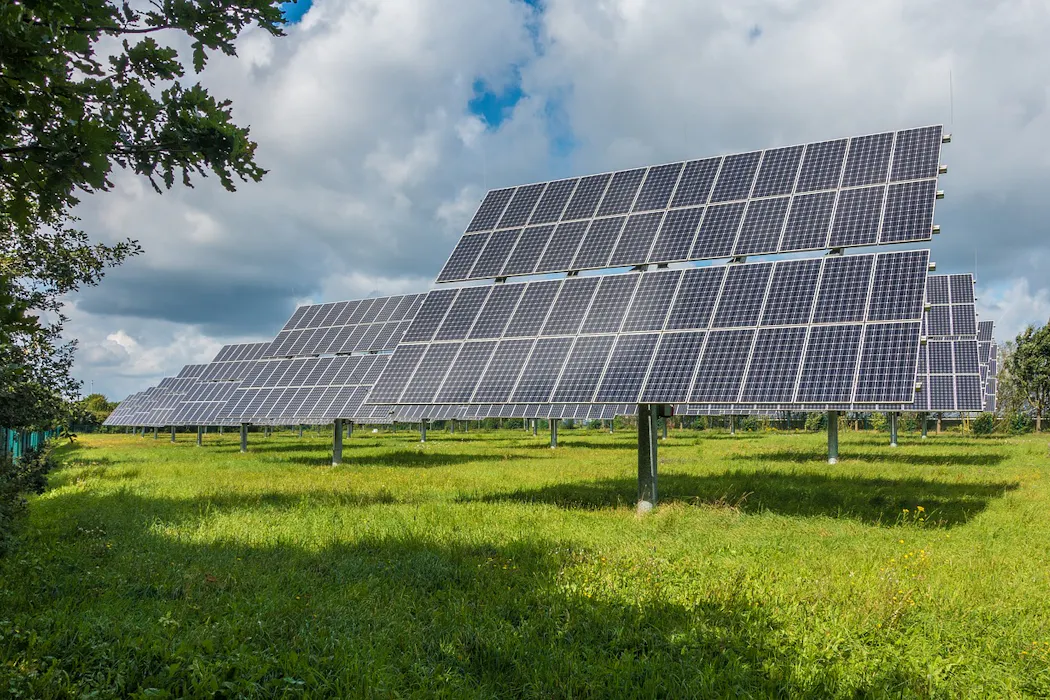
A study tracking 3,139 power plants in Africa reveals that fossil fuels continue to dominate the continent's electricity generation, with only about 57% of the population having access to electricity, primarily in sub-Saharan Africa. To achieve the United Nations goal of universal access to affordable electricity by 2030, rapid expansion of electricity generation is necessary. However, this expansion poses challenges related to water resources and climate change due to greenhouse gas emissions from power plants, particularly coal-fired ones.
The Conversation Africa·June 23, 2026 at 2:20 PM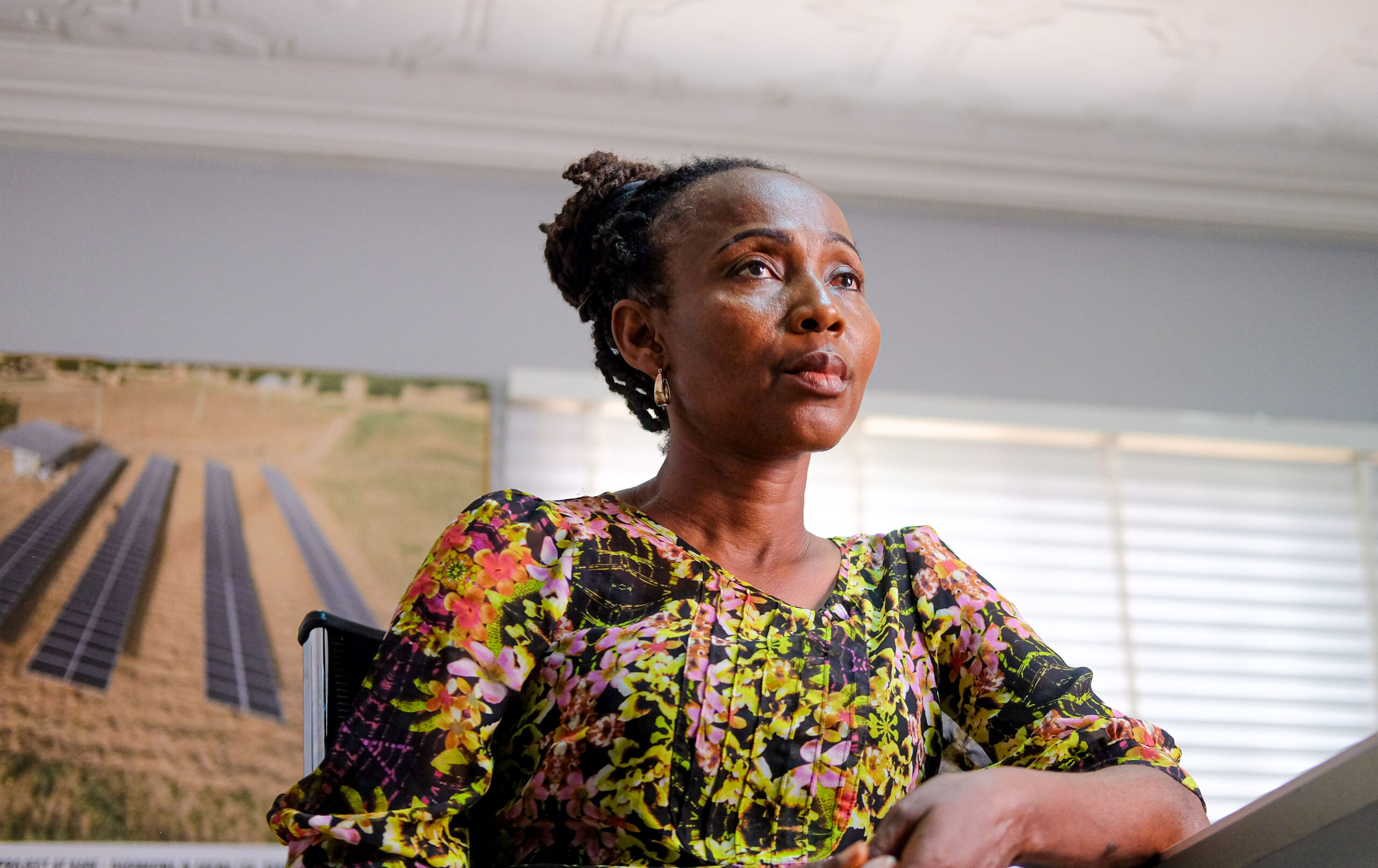
Nkechi Okenwa, a Nigerian engineer and CEO of Energy Excell Systems, is promoting women's inclusion in the renewable energy sector through solar innovation, STEM training, and community empowerment initiatives. She is also the founder of WEESI, which focuses on enhancing women's leadership in Nigeria's energy landscape.
BellaNaija·June 20, 2026 at 8:21 AM
South Africa is transitioning from coal-fired electricity, which currently accounts for 74% of its power, to renewable sources like wind and solar. This shift is complicated and is being hindered by the need for a different electricity system and new grid management strategies. Additionally, significant changes are required at Eskom, the state-owned utility that has historically dominated the power sector.
The Conversation Africa·June 30, 2026 at 10:56 AM