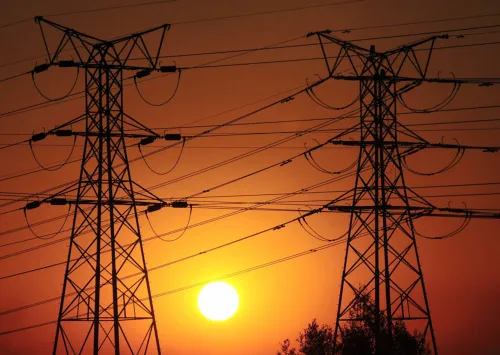
Nigerian Electricity Distribution Companies (Discos) experienced a loss of over 1.13 million customers in 2025, attributed to unreliable power supply and increasing energy costs, according to Punch.
AI summary. Verify with the original source.
Listen
Unlock audio summaries, audio summaries, AI chat, Wikipedia facts, and ad-free reading.
$3.99 / month · cancel anytime
Go PremiumBackground facts
Unlock wikipedia facts, audio summaries, AI chat, Wikipedia facts, and ad-free reading.
$3.99 / month · cancel anytime
Go PremiumSimilar stories

According to Legit.ng, the Eko Electricity Distribution Company (EKEDC) has released a list of areas in Lagos experiencing power supply disruptions due to flooding that has impacted Transmission Company of Nigeria (TCN) infrastructure. EKEDC has advised residents to steer clear of flooded installations for safety reasons.
Legit.ng·July 5, 2026 at 9:30 AM
Nigeria's electricity sector may encounter increased supply challenges due to drought conditions induced by El Niño, which threaten hydropower generation throughout West Africa, according to BMI.
Nairametrics·June 25, 2026 at 5:38 AMNigeria's Federal Government is set to spend N358 billion on electricity subsidies in the first quarter of 2026, even as the country continues to experience persistent blackouts. This expenditure occurs while electricity tariffs remain frozen, according to Punch.
Punch·July 5, 2026 at 2:31 AM
The Africa Association of Professional Freight Forwarders and Logistics of Nigeria (APFFLON) has urged the Minister of Power, Joseph Tegbe, to turn recent promises regarding electricity sector reforms into tangible improvements in power supply. The organization emphasized that ongoing electricity failures are negatively impacting jobs and investments in Nigeria, stating that the economic consequences are no longer sustainable for the populace.
Vanguard Business·July 2, 2026 at 5:14 AMDespite a reduction in load shedding and fewer power cuts in South Africa, electricity bills are increasing. This rise in costs is attributed to significant tariff increases approved by the National Energy Regulator, leading to confusion among consumers about why prices are climbing when the power supply is more stable.
IOL·June 25, 2026 at 3:50 AM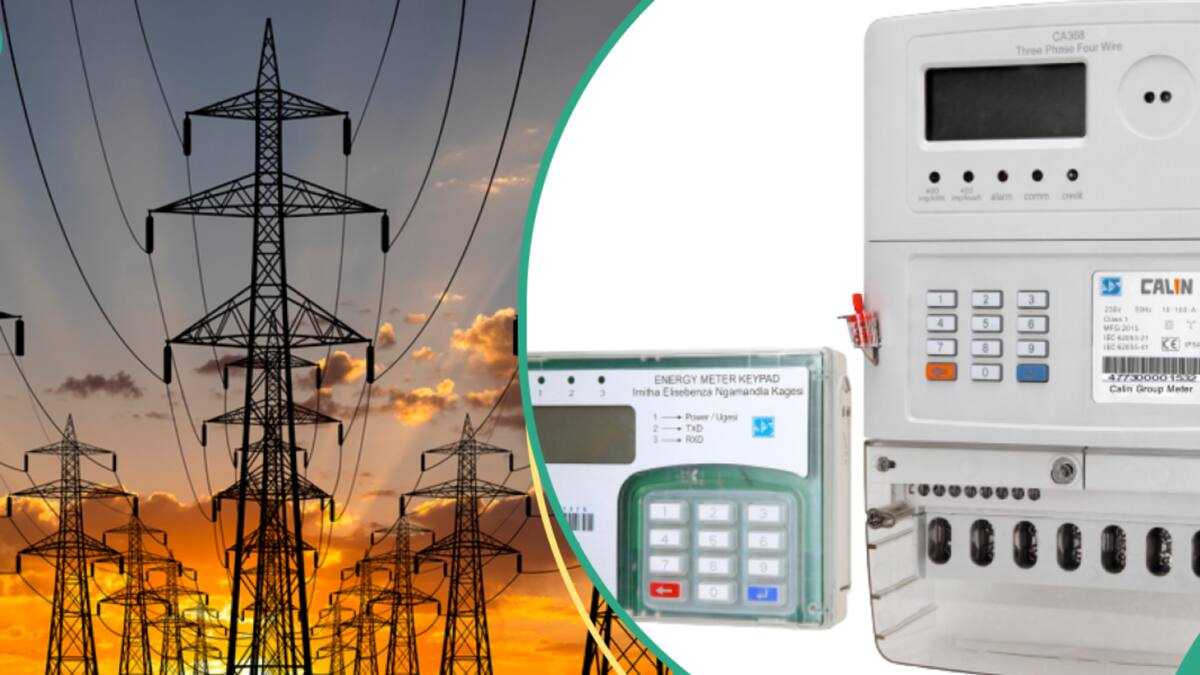
According to Legit.ng, Togo, Benin Republic, and Niger collectively owe Nigeria N17.45 billion in electricity debt. This situation exacerbates the financial challenges faced by these countries, while data indicates that domestic customers in Nigeria tend to pay their electricity bills more reliably.
Legit.ng·July 5, 2026 at 2:01 PM