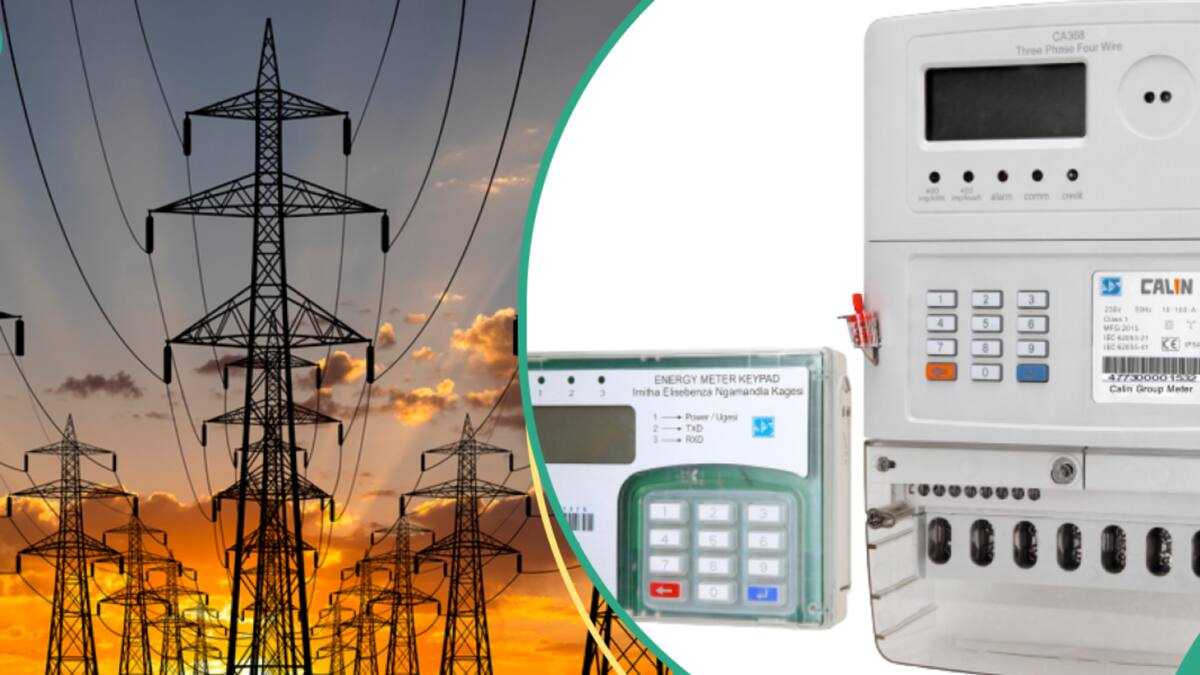
According to Legit.ng, Togo, Benin Republic, and Niger collectively owe Nigeria N17.45 billion in electricity debt. This situation exacerbates the financial challenges faced by these countries, while data indicates that domestic customers in Nigeria tend to pay their electricity bills more reliably.
AI summary. Verify with the original source.
Listen
Unlock audio summaries, audio summaries, AI chat, Wikipedia facts, and ad-free reading.
$3.99 / month · cancel anytime
Go PremiumBackground facts
Unlock wikipedia facts, audio summaries, AI chat, Wikipedia facts, and ad-free reading.
$3.99 / month · cancel anytime
Go PremiumSimilar stories

Nigeria's Federal Government is set to spend N358 billion on electricity subsidies in the first quarter of 2026, even as the country continues to experience persistent blackouts. This expenditure occurs while electricity tariffs remain frozen, according to Punch.
Punch·July 5, 2026 at 2:31 AM
A report indicates that while Africa has seen growth in hydropower generation, Nigeria continues to face significant challenges with chronic power shortages, frequent grid failures, and a substantial electricity access deficit, despite having considerable hydropower resources.
Premium Times Business·June 23, 2026 at 11:06 PM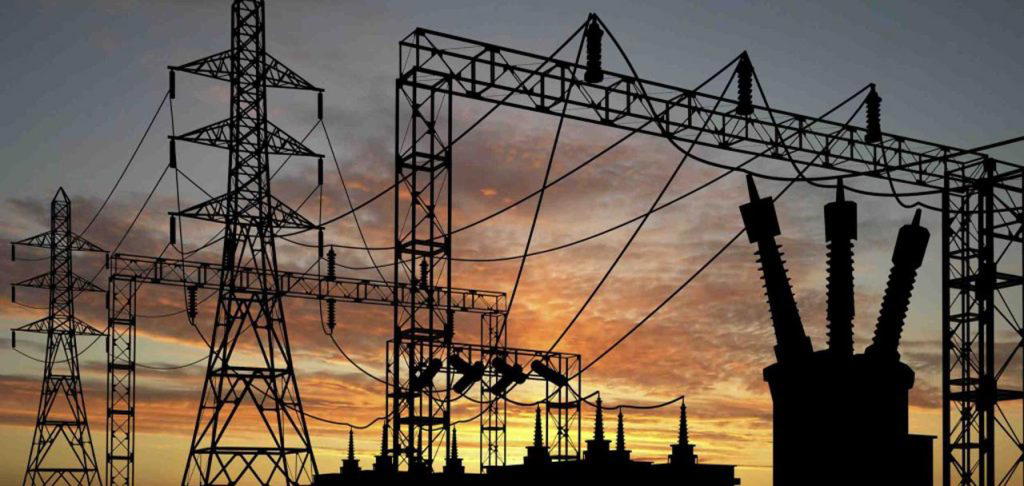
The Federal Government of Nigeria claims it is addressing the electricity sector's debt, stating it has reached approximately N4 trillion. However, Generation Companies (GENCOs) dispute this figure, asserting that the actual debt is N7 trillion and that no payments have been made. This ongoing disagreement highlights the tensions between the government and GENCOs regarding the financial status of the power sector.
Vanguard (NG)·June 25, 2026 at 4:40 AMNigerian Electricity Distribution Companies (Discos) experienced a loss of over 1.13 million customers in 2025, attributed to unreliable power supply and increasing energy costs, according to Punch.
Punch·July 5, 2026 at 2:35 AM
The Africa Association of Professional Freight Forwarders and Logistics of Nigeria (APFFLON) has urged the Minister of Power, Joseph Tegbe, to turn recent promises regarding electricity sector reforms into tangible improvements in power supply. The organization emphasized that ongoing electricity failures are negatively impacting jobs and investments in Nigeria, stating that the economic consequences are no longer sustainable for the populace.
Vanguard Business·July 2, 2026 at 5:14 AMThe World Bank and the African Development Bank (AfDB) have successfully connected over 50 million people to electricity through their Mission 300 initiative, which spans 40 African countries. This effort aims to accelerate electricity access across the continent.
Punch·June 25, 2026 at 12:09 AM