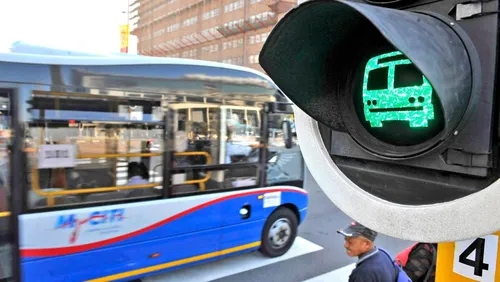
The minibus taxi industry in South Africa is a significant economic force, transporting eight out of every ten public transport commuters daily. Despite its size and influence, the industry reportedly does not pay taxes directly, raising questions about its economic impact and regulatory oversight, according to Tanzania Times.
AI summary. Verify with the original source.
Read full story at Tanzania Times ↗
Listen
Unlock audio summaries, audio summaries, AI chat, Wikipedia facts, and ad-free reading.
$3.99 / month · cancel anytime
Go PremiumBackground facts
Unlock wikipedia facts, audio summaries, AI chat, Wikipedia facts, and ad-free reading.
$3.99 / month · cancel anytime
Go PremiumSimilar stories

Individuals posing as drivers for e-hailing services such as Uber are reportedly targeting visitors at South Africa's airports, prompting warnings for travelers to remain vigilant.
The South African·July 5, 2026 at 6:00 AM
A recent industry report highlights that South Africa's shift towards a cashless economy has overlooked millions of individuals, particularly in informal markets. The report suggests that the sector has confused technological innovation with financial inclusion, resulting in a significant portion of the population being left behind in the transition to digital payment systems.
TechCentral·June 22, 2026 at 10:33 AM
According to TimesLIVE, South Africa is addressing challenges posed by illicit trade, including smuggling and tax evasion, while also dealing with the economic conditions that allow shadow markets to thrive. The country's fiscal constraints further complicate these issues, impacting affordability and the effectiveness of enforcement measures.
TimesLIVE·July 4, 2026 at 10:00 PM
Santaco has announced that taxis will continue to operate normally on June 30, despite planned protests and marches related to immigration issues. This decision comes in support of the South African Police Service's call to maintain taxi services during the demonstrations.
TimesLIVE·June 25, 2026 at 6:27 AMThe issue of illegal immigration in South Africa is often discussed in relation to the poor, but it also involves the middle class, which plays a role in sustaining undocumented labor. While low-income communities bear the brunt of the strain on public services, employers who exploit undocumented workers often evade accountability, shifting the blame to the government. This dynamic complicates the conversation surrounding immigration and labor practices.
IOL·July 5, 2026 at 12:00 PMStarting July 1, 2026, commuters in Cape Town will experience fare increases of up to 45 percent on the MYCiTi bus service. This rise in fares is attributed to escalating operational costs and a decrease in national funding, according to IOL.
IOL·June 24, 2026 at 6:00 PM