
The Kenyan government has announced a package of measures to address a milk supply shortage that has reduced the availability of several processed milk brands on retail shelves. Livestock Development Principal Secretary Jonathan Mueke said inadequate rainfall in key agricultural zones had limited fodder supplies, creating the main bottleneck in raw milk production. Speaking at a press conference, Mueke said the state is working with dairy value chain stakeholders to support producers directly and stabilise supply lines.
AI summary. Verify with the original source.
Read full story at Nairobi Wire ↗
Listen
Unlock audio summaries, audio summaries, AI chat, Wikipedia facts, and ad-free reading.
$3.99 / month · cancel anytime
Go PremiumBackground facts
Unlock wikipedia facts, audio summaries, AI chat, Wikipedia facts, and ad-free reading.
$3.99 / month · cancel anytime
Go PremiumSimilar stories
The National Government has provided five solar-powered milk coolers valued at Sh 30 million to dairy farmers in Cherangany Constituency, Trans Nzoia County. This initiative aims to minimize post-harvest losses and enhance the income of milk producers. The handover event took place at Biribiriet primary school grounds, where Principal Secretary of the State Department for Livestock Development, Jonathan Mueke, spoke about the benefits of the coolers.
Kenya News Agency·June 24, 2026 at 7:24 PM
President William Ruto has announced a government initiative to increase coffee farmers' earnings from Sh158 per kilogramme to between Sh250 and Sh300 in the coming years. This plan is part of a broader strategy to revitalize Kenya's coffee sector. During the launch of a coffee revival program in Kianyaga, Kirinyaga County, Ruto noted that while progress has been made in improving farmers' returns, additional measures are necessary to ensure profitability in coffee farming.
Nairobi Wire·June 23, 2026 at 3:45 AMKenya has introduced a KSh1.08 trillion investment strategy aimed at transforming its agricultural sector over the next five years. The plan, known as the "National Agri-Food Systems Investment Plan" for 2026-2030, anticipates significant private sector involvement to cover nearly half of the total costs, as the government seeks to modernize food production systems and enhance productivity in the sector.
Sharp Daily·July 2, 2026 at 12:47 PM
Kenya's Stanbic Bank Kenya Purchasing Managers' Index fell to 49.7 in August, slipping below the 50-point threshold and signalling a deterioration in operating conditions for the first time in three months. According to the survey, supply shortfalls and cost-saving measures led Kenyan firms to cut output and purchases during the month. A reading below 50 indicates contraction in private sector activity, suggesting renewed pressure on businesses after a period of relative stability.
Business Today (KE)·September 7, 2026 at 10:19 AM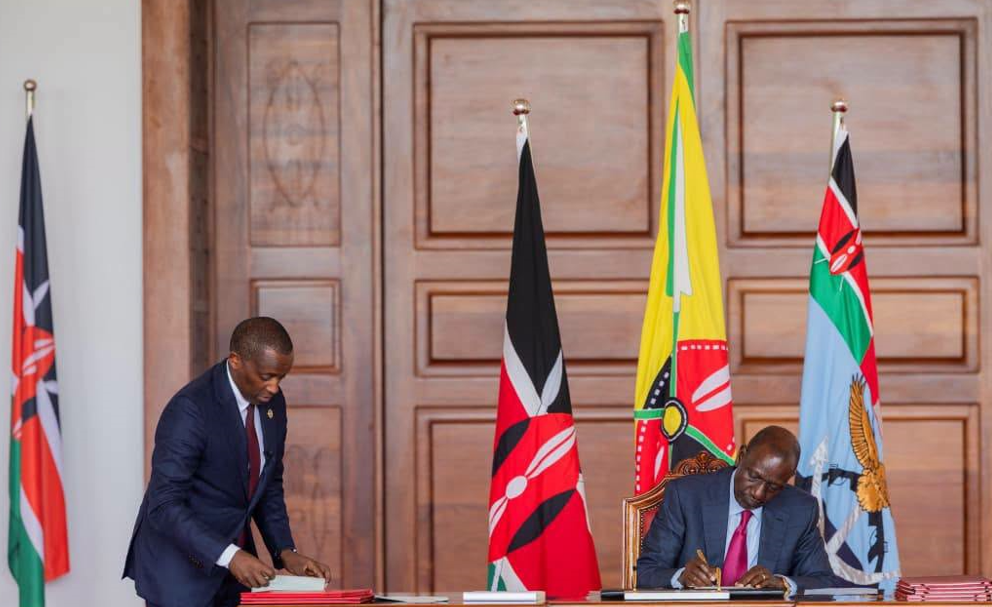
The Kenyan government has announced a Ksh 21.5 billion plan to stabilize fuel prices amid global oil market uncertainties. President William Ruto revealed this intervention on Tuesday while signing the Finance Bill 2026, aiming to prevent sharp increases in pump prices for Kenyans in the upcoming months.
Business Today (KE)·June 24, 2026 at 7:40 AM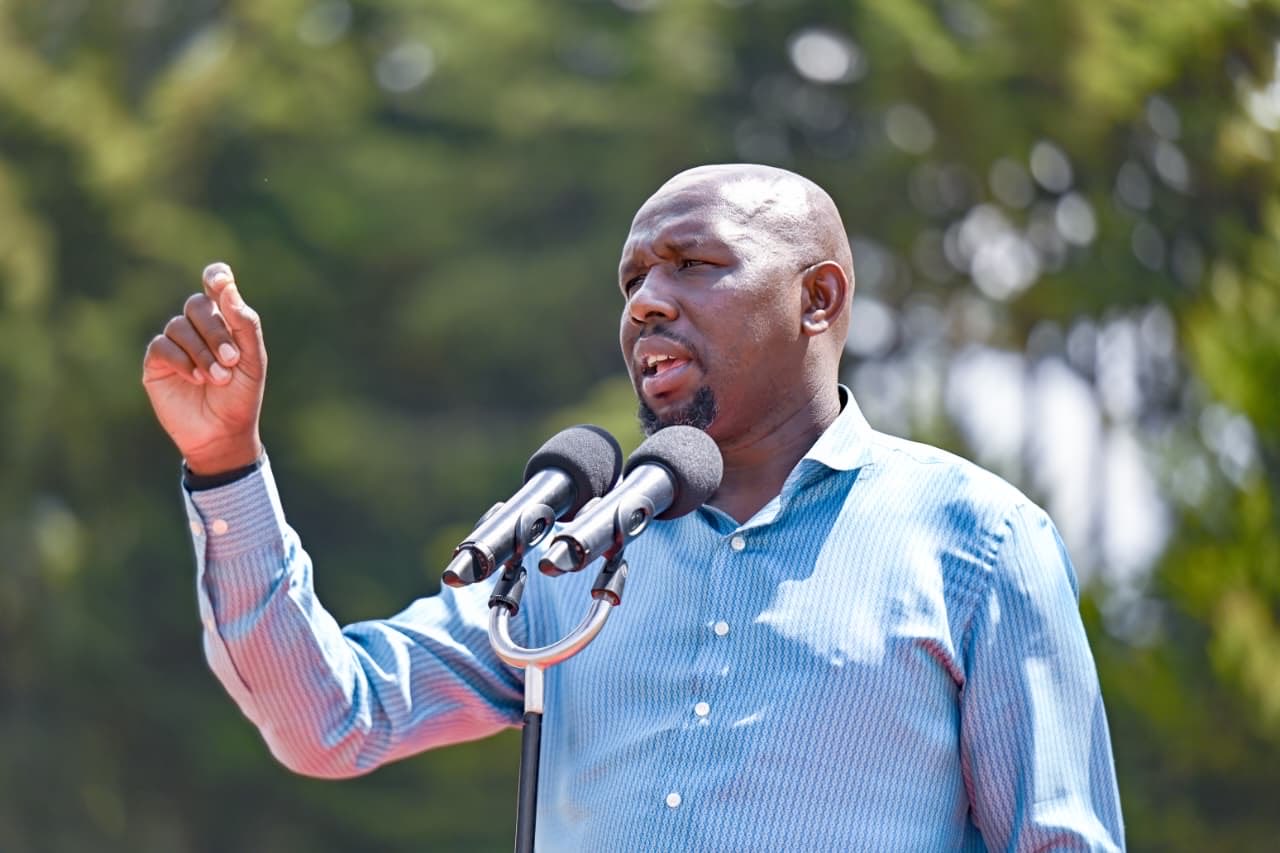
Cabinet Secretary Murkomen has defended government-backed empowerment programs, stating that they are essential to the Kenya Kwanza administration's Bottom-up Economic Transformation Agenda (BETA).
KBC·July 5, 2026 at 7:29 AM