
The Eastleigh Voice explains that El Niño, a natural climate pattern driven by warmer-than-usual surface waters in the central and eastern Pacific Ocean, does not necessarily bring heavy rainfall everywhere it influences. While the phenomenon alters weather patterns worldwide, its effects vary by region, meaning some areas may experience typical or even drier conditions. The explainer aims to clarify common misconceptions about how El Niño affects local weather.
AI summary. Verify with the original source.
Read full story at Eastleigh Voice ↗
Listen
Unlock audio summaries, audio summaries, AI chat, Wikipedia facts, and ad-free reading.
$3.99 / month · cancel anytime
Go PremiumBackground facts
Unlock wikipedia facts, audio summaries, AI chat, Wikipedia facts, and ad-free reading.
$3.99 / month · cancel anytime
Go PremiumSimilar stories

Climate prediction scientists announced in June 2026 that a super El Niño had formed, expected to be one of the strongest on record. This phenomenon occurs when the Pacific Ocean's surface warms unusually, impacting global weather patterns and potentially leading to extreme events like droughts and floods. In southern Africa, previous cycles have resulted in severe hot and dry conditions, affecting millions and threatening marine life such as seals and sea lions.
The Conversation Africa·July 5, 2026 at 2:48 PM
The Daily News of Tanzania warns that forecasts of heavy El Niño rains in the coming season should prompt early preparedness rather than being dismissed as routine weather talk. According to the World Meteorological Organization, El Niño is firmly established and expected to strengthen further, bringing major shifts in weather patterns. Climate experts quoted in the report stress that action must begin before the first torrential rains arrive, urging authorities and communities to take preventive measures to avoid disaster, particularly in Dar es Salaam and other vulnerable areas.
Daily News (TZ)·September 10, 2026 at 7:11 AM
The South African reports that an El Niño weather pattern developing thousands of kilometres away is expected to have real consequences for South Africa. The article explains what El Niño is and examines whether South Africans should be concerned, according to the publication. El Niño typically influences rainfall and temperature patterns across southern Africa, but the report frames its specific local impacts as forthcoming rather than confirmed.
The South African·September 10, 2026 at 10:48 AM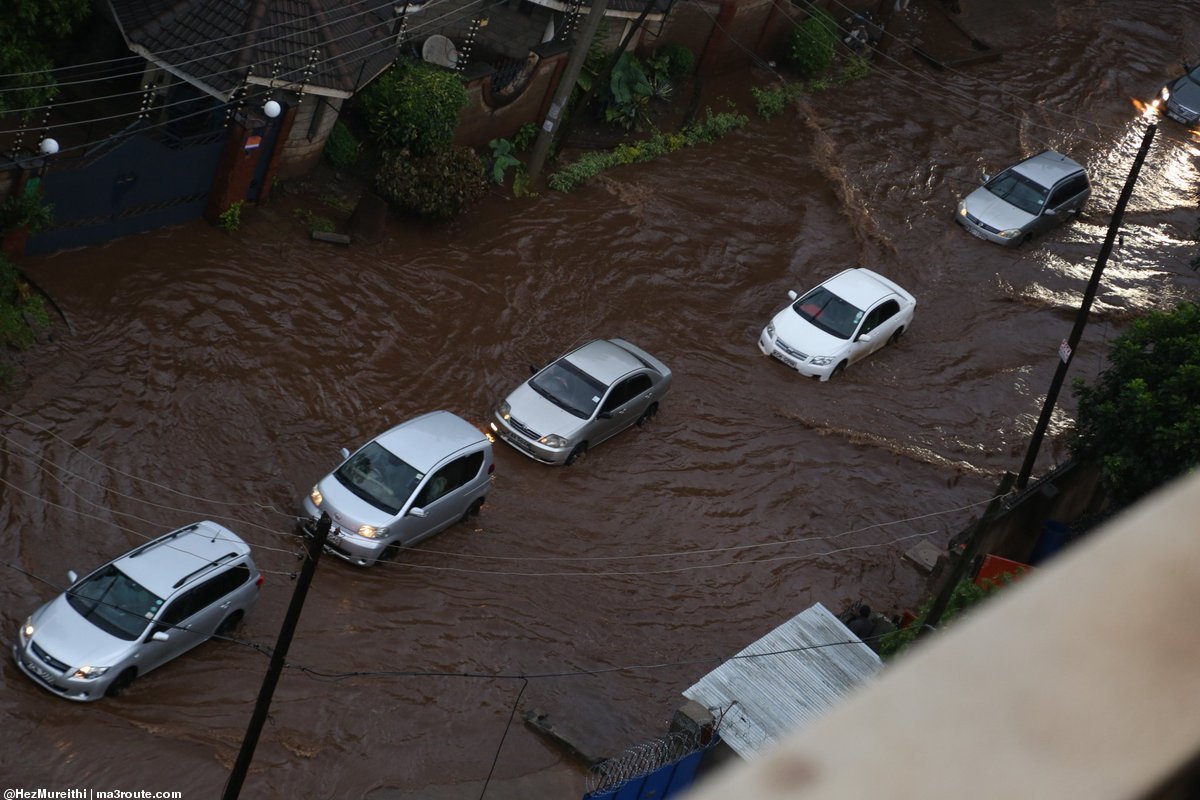
Kenyan weather experts are divided over the onset and distribution of the country's October–December 2026 short rains, as major global forecasting models send conflicting signals. According to Ghafla Kenya, the uncertainty stems from complex interactions between a strong El Niño, an emerging positive Indian Ocean Dipole, and an unstable Madden-Julian Oscillation tropical wave, leaving the timing of the expected rains unclear.
Ghafla Kenya·September 10, 2026 at 8:08 AM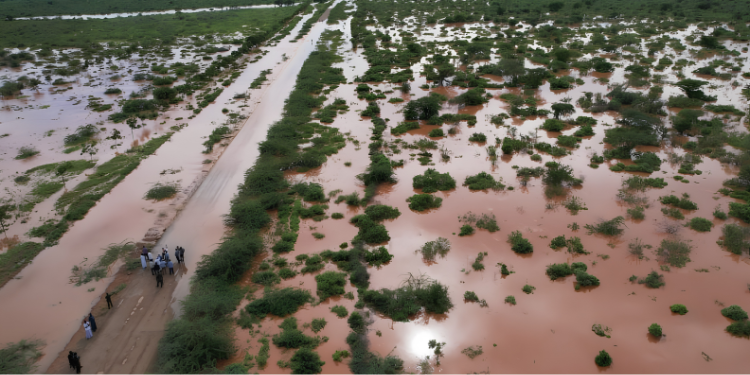
The Kenya Times reports that El Niño is not a single weather event but exists in three distinct forms, according to scientists. These variations develop in different parts of the Pacific Ocean and produce differing effects on weather patterns worldwide, including in Kenya. The article explains that understanding these differences matters for a country like Kenya, where El Niño events significantly influence rainfall, agriculture, and economic planning, potentially shaping the nation's future climate preparedness.
The Kenya Times·September 9, 2026 at 9:47 AM
The South African reports that farmers are focused on a projection that El Niño could cut South Africa’s maize harvest by as much as 40%. The figure is presented as a risk linked to the El Niño weather pattern, which is drawing global attention, but the provided material does not confirm final losses or explain the forecast basis. According to the outlet, concern is centred on potential exposure for maize producers.
The South African·September 7, 2026 at 1:00 PM