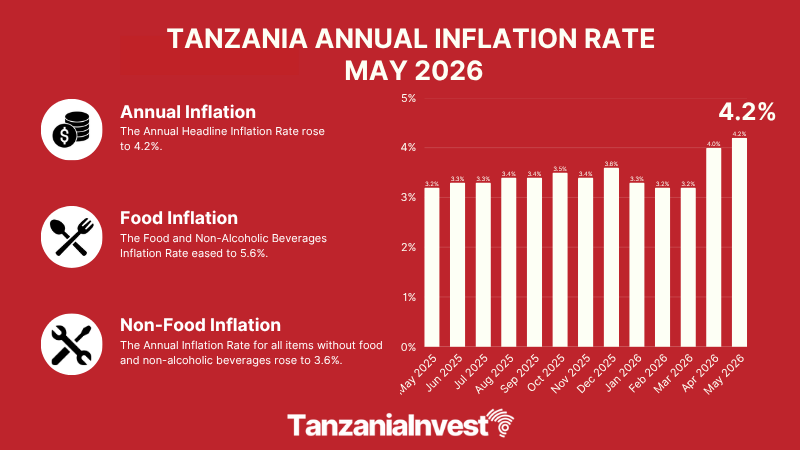
Tanzania's annual headline inflation rose to 4.2% in May 2026, up from 4.0% in April, primarily due to an 11.9% increase in transport prices linked to monthly fuel price hikes of 13.8% for diesel and 10.4% for petrol. Core inflation also increased to 3.4% from 3.1%, indicating broader price pressures beyond food and energy, according to the National Bureau of Statistics.
AI summary. Verify with the original source.
Read full story at TanzaniaInvest ↗
Listen
Unlock audio summaries, audio summaries, AI chat, Wikipedia facts, and ad-free reading.
$3.99 / month · cancel anytime
Go PremiumBackground facts
Unlock wikipedia facts, audio summaries, AI chat, Wikipedia facts, and ad-free reading.
$3.99 / month · cancel anytime
Go PremiumSimilar stories
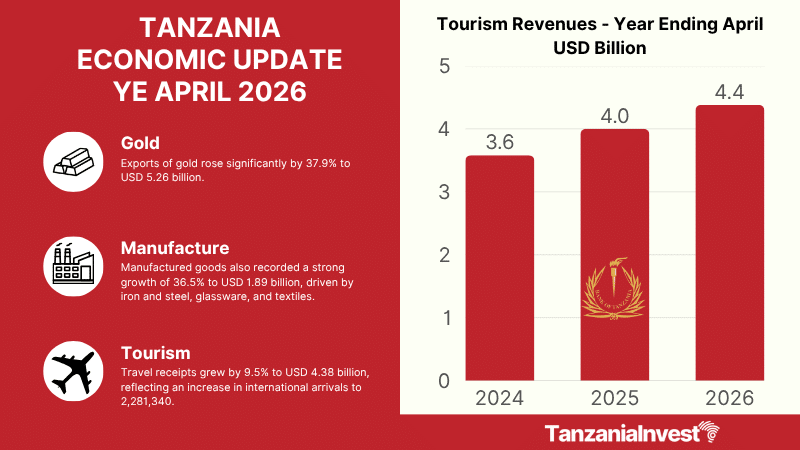
According to the Bank of Tanzania's May 2026 review, Tanzania's exports increased by 13.5% to USD 18.9 billion for the year ending April 2026, driven primarily by gold and tourism. The report also noted a rise in headline inflation to 4% due to higher fuel prices, a 23.6% growth in private sector credit, and an appreciation of the Shilling by 2.7%. Foreign exchange reserves reached USD 5.7 billion, sufficient to cover 4.4 months of imports.
TanzaniaInvest·June 12, 2026 at 2:00 AM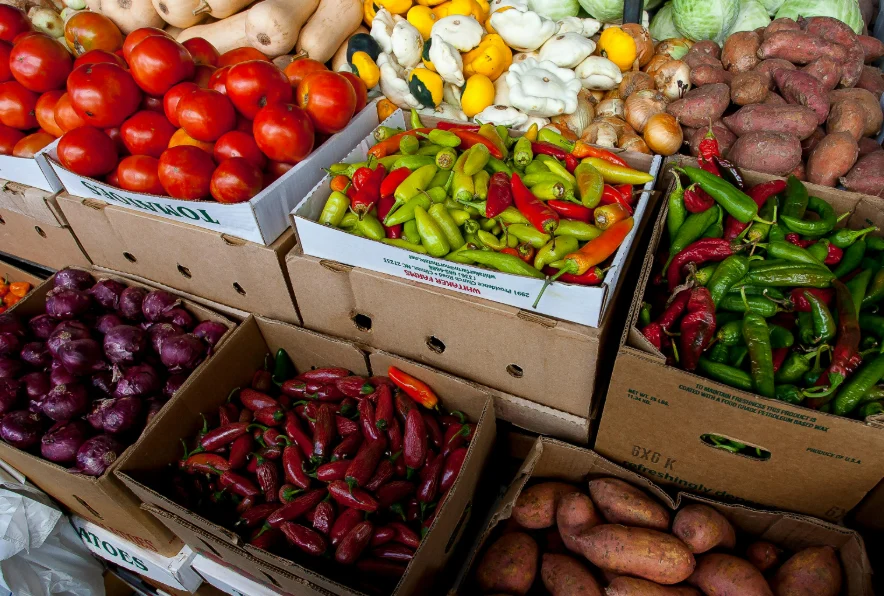
The annual inflation rate in Kenya decreased to 6.4% in June 2026, down from 6.7% in May, marking the first slowdown since February 2026. This decline was attributed to lower price increases in transportation and food, with transportation rising by 16.1% compared to 16.5% in the previous month, and food prices increasing by 8.6% versus 9.4%.
Business Today (KE)·July 2, 2026 at 6:17 PM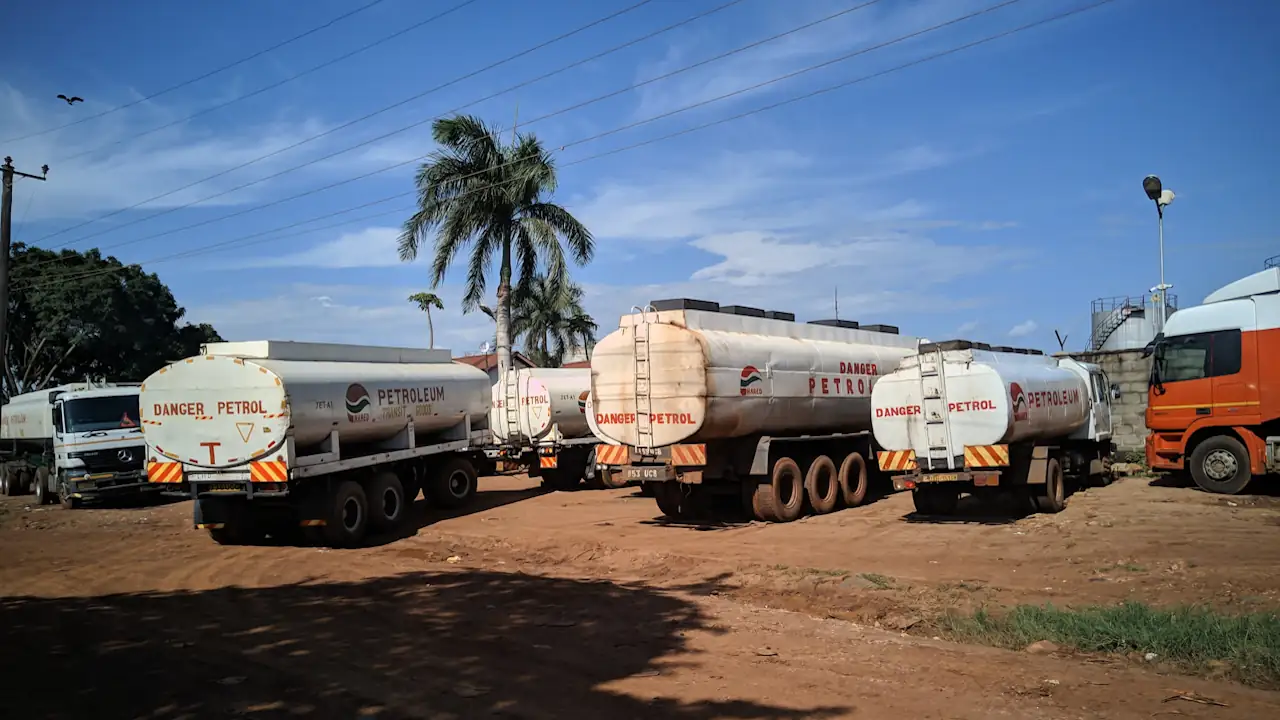
Uganda's annual inflation rate increased to 3.2 percent in May from 3 percent in April, primarily due to rising fuel and transport costs associated with higher global oil prices. This trend has raised concerns at the Bank of Uganda regarding external inflation pressures, while food prices have remained relatively stable. The Uganda Bureau of Statistics reported a monthly consumer price rise of 0.7 percent.
Uganda Business News·June 1, 2026 at 5:12 AM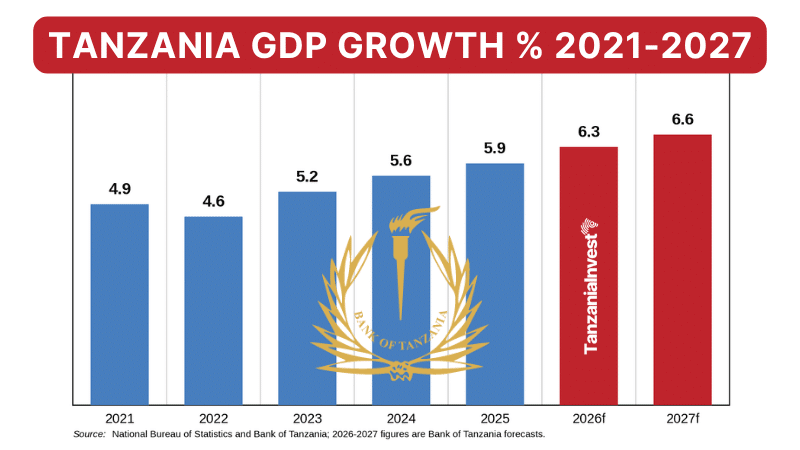
The Central Bank of Tanzania has projected a GDP growth of 6.3% for 2026 and 6.6% for 2027, driven by public and private investments as well as exports. According to its latest Monetary Policy Statement for 2026/27, key sectors contributing to this growth include agriculture, mining, tourism, and construction. Inflation is expected to rise but will remain within the target range of 3-5%.
TanzaniaInvest·June 18, 2026 at 2:26 AM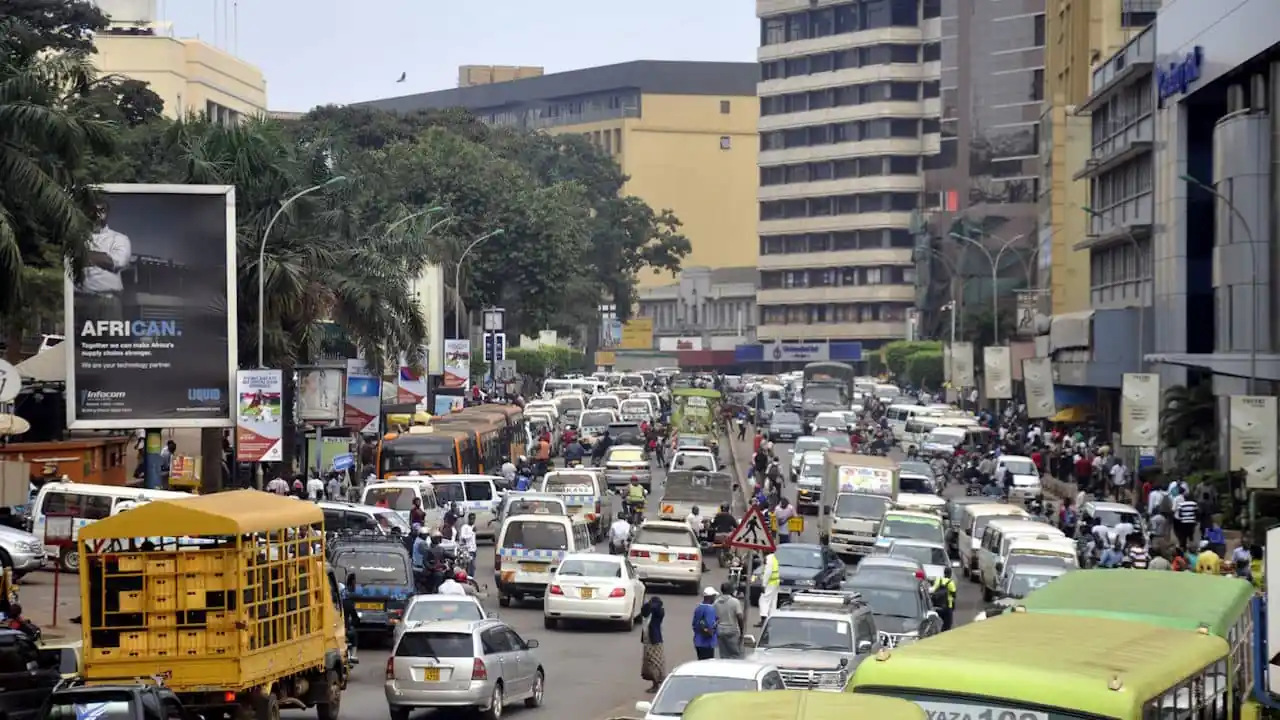
Uganda's inflation increased to 3 percent in April, up from 2.8 percent in March, primarily due to rising energy and transport costs, according to data from the Uganda Bureau of Statistics. Monthly prices rose by 0.6 percent, marking the fastest increase since February 2025, while food and core components showed contained price pressures.
Uganda Business News·April 30, 2026 at 1:40 PM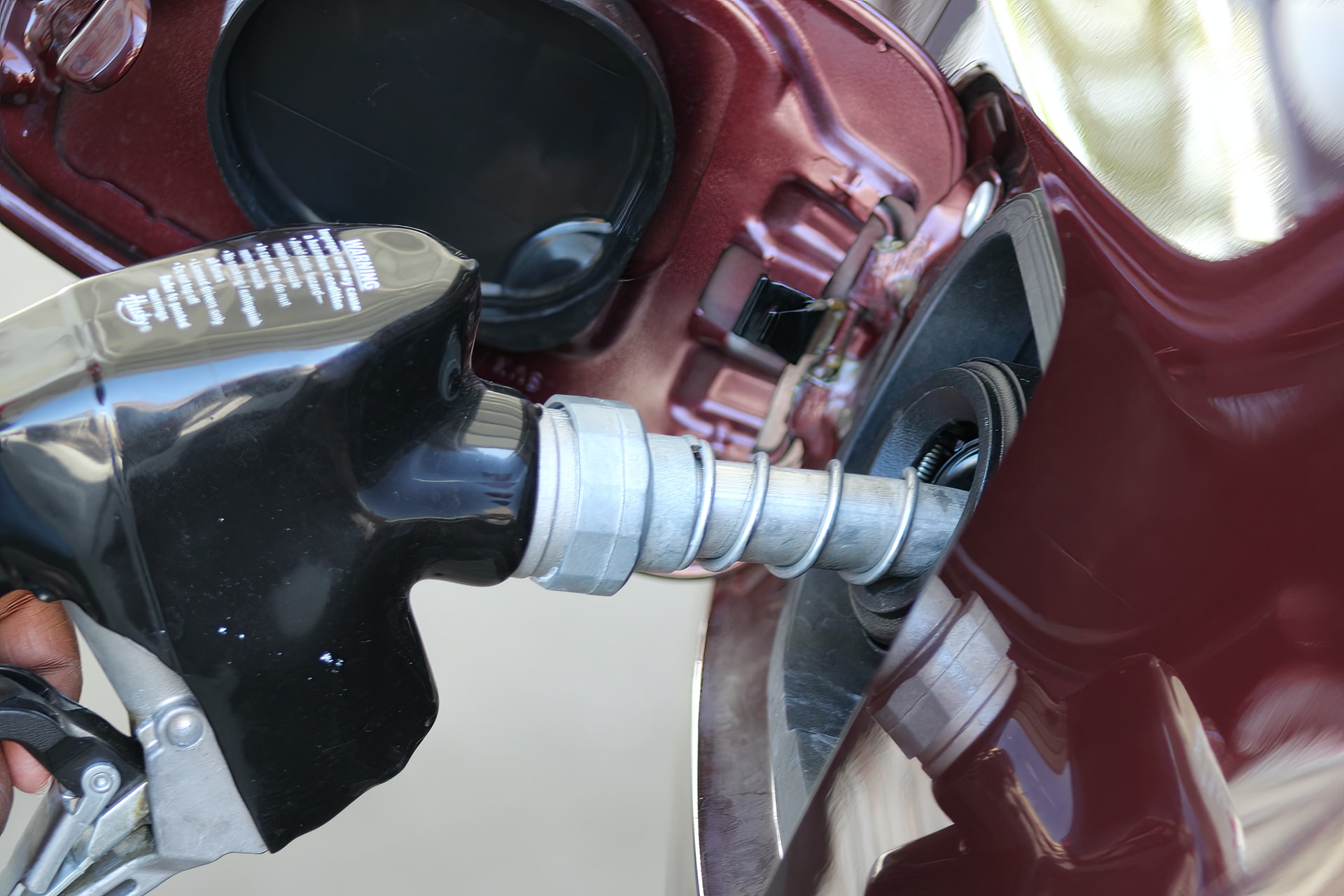
In July, Tanzanian motorists and households will benefit from a slight decrease in fuel prices, attributed to a ceasefire in the Middle East. However, despite this reduction, fuel costs remain considerably higher than levels recorded before the crisis, according to The Chanzo.
The Chanzo·July 1, 2026 at 5:54 AM