The annual inflation rate in Kenya decreased to 6.4% in June 2026, down from 6.7% in May, marking the first slowdown since February 2026. This decline was attributed to lower price increases in transportation and food, with transportation rising by 16.1% compared to 16.5% in the previous month, and food prices increasing by 8.6% versus 9.4%.
AI summary. Verify with the original source.
Read full story at Business Today (KE) ↗
Listen
Unlock audio summaries, audio summaries, AI chat, Wikipedia facts, and ad-free reading.
$3.99 / month · cancel anytime
Go PremiumBackground facts
Unlock wikipedia facts, audio summaries, AI chat, Wikipedia facts, and ad-free reading.
$3.99 / month · cancel anytime
Go PremiumSimilar stories
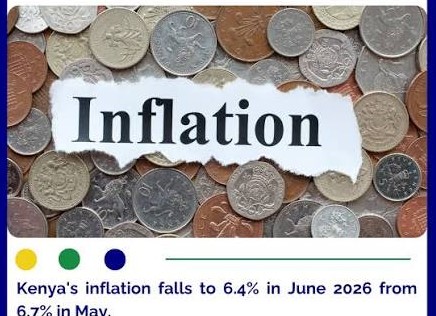
Kenya's inflation rate has decreased to 6.4%, indicating a moderation in price pressures after several months of high inflation. This change is expected to provide some relief to households, businesses, and investors, although the cost of living remains elevated. The latest economic indicators suggest a gradual stabilization of inflation, which could impact consumer spending, business planning, borrowing costs, and investment decisions, according to Sharp Daily.
Sharp Daily·July 3, 2026 at 2:17 PM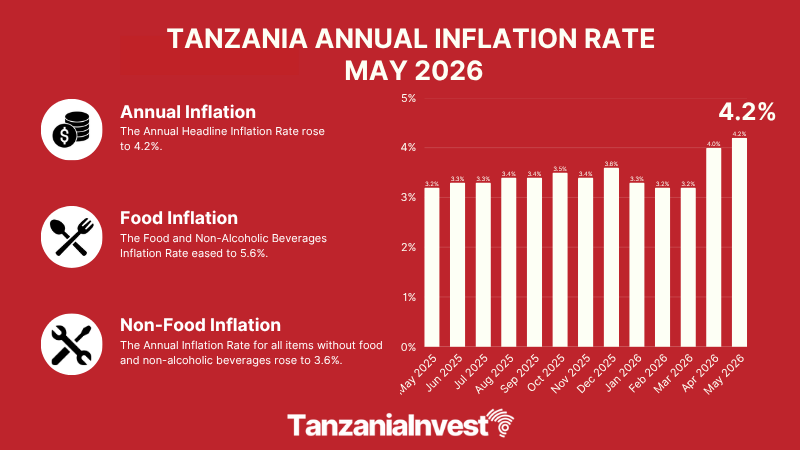
Tanzania's annual headline inflation rose to 4.2% in May 2026, up from 4.0% in April, primarily due to an 11.9% increase in transport prices linked to monthly fuel price hikes of 13.8% for diesel and 10.4% for petrol. Core inflation also increased to 3.4% from 3.1%, indicating broader price pressures beyond food and energy, according to the National Bureau of Statistics.
TanzaniaInvest·June 27, 2026 at 2:11 AM
Uganda's inflation increased to 3 percent in April, up from 2.8 percent in March, primarily due to rising energy and transport costs, according to data from the Uganda Bureau of Statistics. Monthly prices rose by 0.6 percent, marking the fastest increase since February 2025, while food and core components showed contained price pressures.
Uganda Business News·April 30, 2026 at 1:40 PM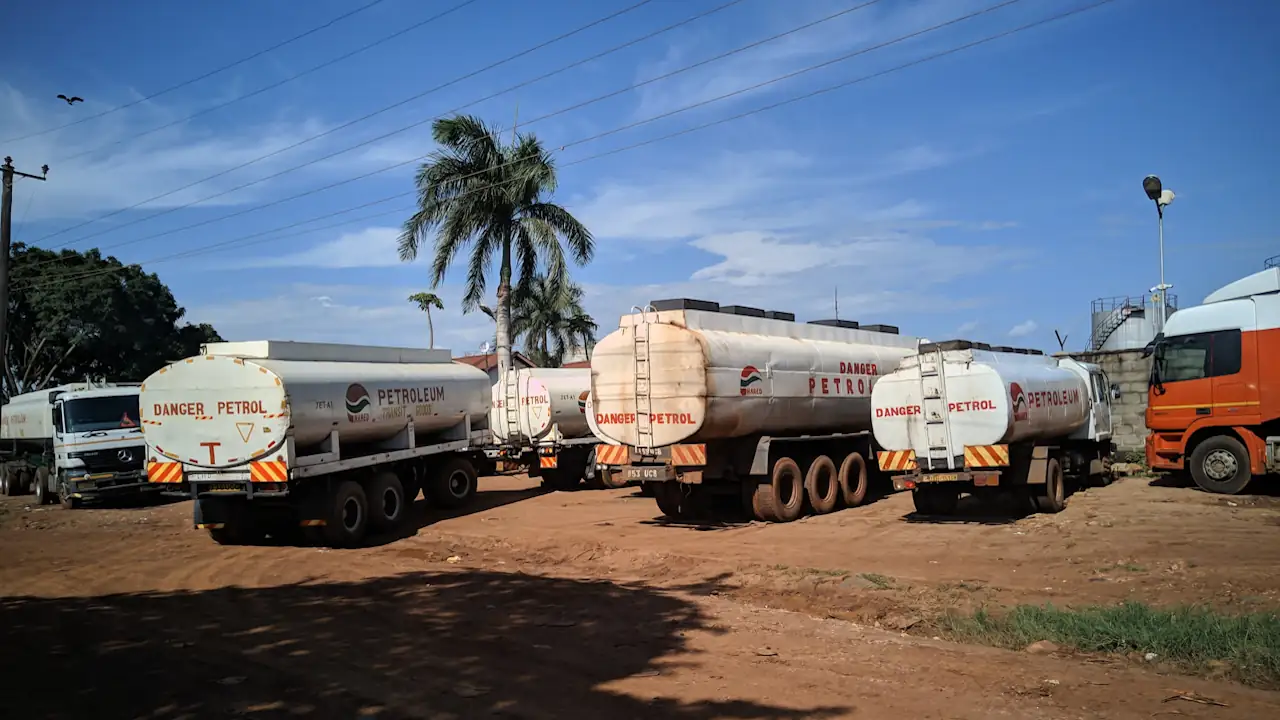
Uganda's annual inflation rate increased to 3.2 percent in May from 3 percent in April, primarily due to rising fuel and transport costs associated with higher global oil prices. This trend has raised concerns at the Bank of Uganda regarding external inflation pressures, while food prices have remained relatively stable. The Uganda Bureau of Statistics reported a monthly consumer price rise of 0.7 percent.
Uganda Business News·June 1, 2026 at 5:12 AM
According to the latest Stanbic Bank Kenya Purchasing Managers' Index (PMI), Kenya's private sector activity improved in June, rising to 50 from 46.6 in May. This increase indicates a stabilisation in business conditions, attributed to rising sales.
Capital FM Business·July 3, 2026 at 9:22 AM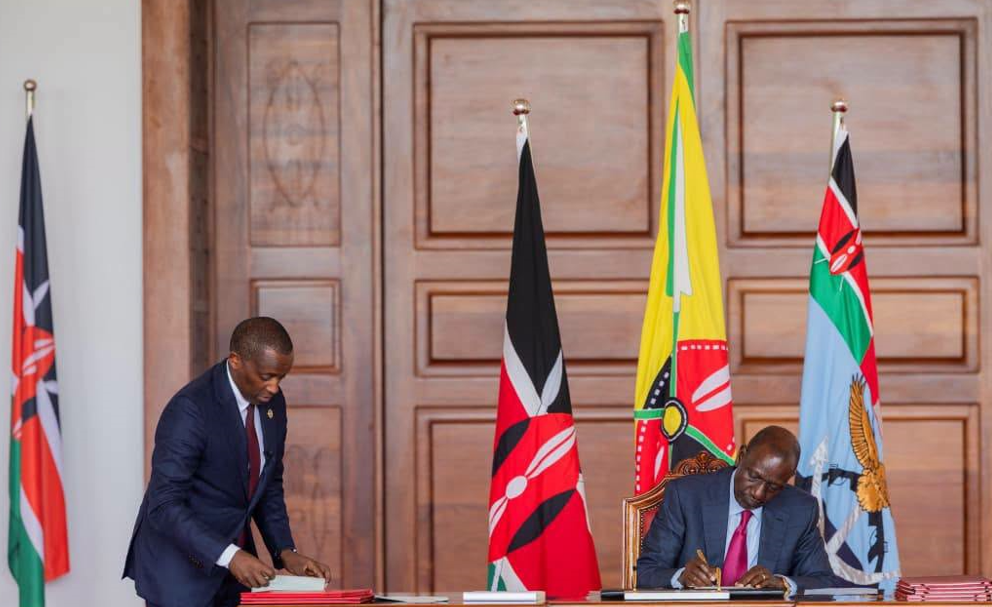
The Kenyan government has announced a Ksh 21.5 billion plan to stabilize fuel prices amid global oil market uncertainties. President William Ruto revealed this intervention on Tuesday while signing the Finance Bill 2026, aiming to prevent sharp increases in pump prices for Kenyans in the upcoming months.
Business Today (KE)·June 24, 2026 at 7:40 AM