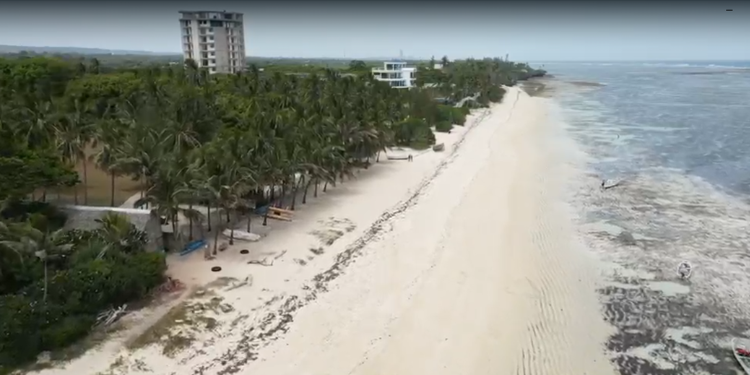
The Kenya Times reports that the new Shimoni Fish Port is transforming livelihoods in the coastal Kenyan community of Shimoni, where residents have long depended on the Indian Ocean for food and income. Fishermen, tour guides, boat operators and families around Shimoni and Wasini Island have previously struggled with fish spoilage, low prices and limited opportunities due to inadequate infrastructure. According to the report, the port is helping address these challenges and supporting the growth of Kenya's blue economy.
AI summary. Verify with the original source.
Read full story at The Kenya Times ↗
Listen
Unlock audio summaries, audio summaries, AI chat, Wikipedia facts, and ad-free reading.
$3.99 / month · cancel anytime
Go PremiumBackground facts
Unlock wikipedia facts, audio summaries, AI chat, Wikipedia facts, and ad-free reading.
$3.99 / month · cancel anytime
Go PremiumSimilar stories

Fishing communities along Kenya's Coast have long depended on traditional fishing methods while struggling with declining fish stocks, poor storage facilities, low prices, and limited opportunities for young people. According to residents, increased government focus on the blue economy is beginning to transform the way coastal communities work, opening new livelihood opportunities beyond conventional fishing.
Business Today (KE)·September 9, 2026 at 3:15 AM
Young people in Shimoni and Wasini Island, Kenya, are finding new livelihood opportunities through the blue economy, according to Ghafla Kenya. Tour guide Asman Ambeta, who turns to fishing during the low tourism season, says local families have long depended on the ocean despite limited facilities, damaged coral, declining catches, inadequate storage and low fish prices. The report explores how blue economy initiatives are creating alternatives for youth who previously relied solely on traditional fishing and seasonal tourism work.
Ghafla Kenya·September 9, 2026 at 1:14 PM
Government investment in modern fishing boats, training, licensing and fisheries infrastructure, including the Shimoni Port, is transforming livelihoods in Kenya's coastal Kwale County, according to Tuko. The initiative is changing how coastal communities earn a living from the Indian Ocean, with new equipment and facilities supporting the local fishing sector and improving incomes for residents who depend on the industry.
Tuko·September 9, 2026 at 8:17 AM
Kenya's Ruto administration has placed the blue economy at the centre of its coastal development agenda, backed by Kshs 3.3 billion in investment, according to Ghafla Kenya. In Jomvu, on the outskirts of Mombasa, a group of women known as Mama Karanga illustrate how the initiative is reshaping livelihoods along the coastline. For years, the women earned modest incomes frying and selling fish bought from local fishermen, with earnings often barely sufficient to meet their needs.
Ghafla Kenya·September 9, 2026 at 6:25 AM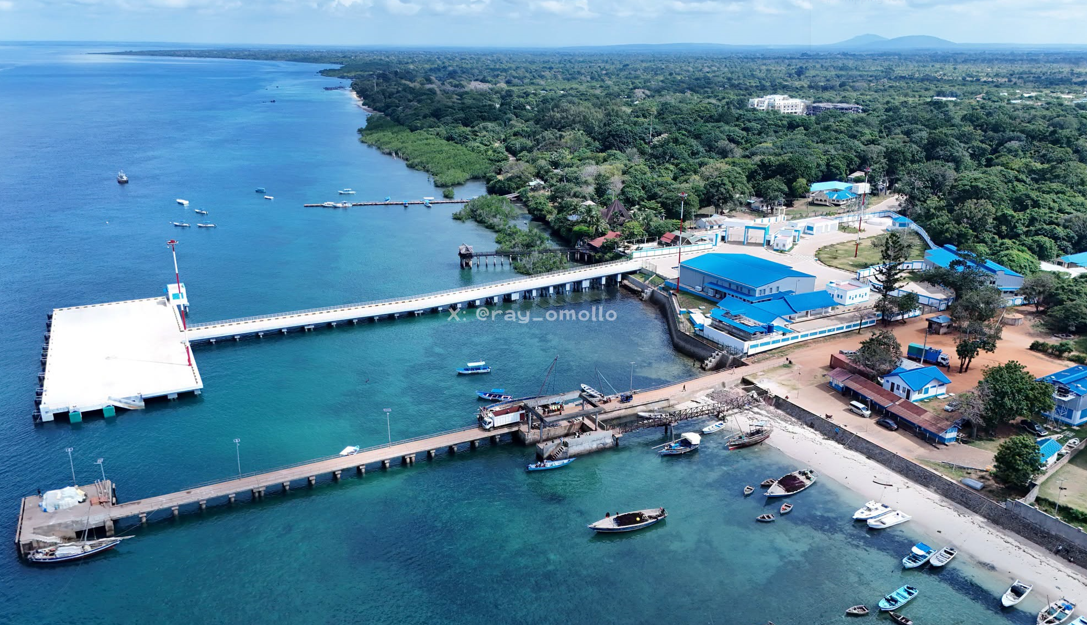
Kenya's blue economy is growing following increased government investment in fisheries, aquaculture, infrastructure, training and community enterprises, according to Business Today. Fish production rose 8.1 per cent, from 173,741 tonnes in 2022 to 189,151 tonnes as of August this year, supported by Ksh3.3 billion in grants. The figures reflect increased activity and investment across the country's fisheries sector.
Business Today (KE)·September 9, 2026 at 11:31 AM
A new subsea cable project called LuLu Cable has been announced with plans to serve Kenya's coastal region, according to Kachwanya. The cable is set to feature five landing points stretching from Mombasa to Lamu, aiming to create a digital backbone connecting industrial zones, businesses, and technology investors along the coastline. The project targets a 2028 service date and is positioned as a boost to Kenya's coastal digital economy.
Kachwanya·September 9, 2026 at 11:32 PM