
According to The Conversation Africa, East Africa is facing increasing climate shocks, making climate adaptation a priority for national and regional public policies. However, these policies often rely on threshold values and baseline data that are not specific to arid zones. To create truly useful local benchmarks, the knowledge accumulated by rural communities must be recognized as an essential source of data.
AI summary. Verify with the original source.
Read full story at The Conversation Africa ↗
Listen
Unlock audio summaries, audio summaries, AI chat, Wikipedia facts, and ad-free reading.
$3.99 / month · cancel anytime
Go PremiumBackground facts
Unlock wikipedia facts, audio summaries, AI chat, Wikipedia facts, and ad-free reading.
$3.99 / month · cancel anytime
Go PremiumSimilar stories

As global temperatures rise, surface water sources in Africa are becoming increasingly erratic, leading to concerns about water availability. Approximately 400 million people in Africa lack access to basic drinking water services. However, scientists are focusing on mapping and monitoring the continent's groundwater, which is estimated to be 0.66 million cubic kilometers, significantly more than the freshwater in all of Africa's lakes combined, to prepare for future climate challenges.
The Conversation Africa·June 22, 2026 at 1:51 PM
According to The Citizen, Africa may experience economic impacts from El Nino, particularly in agriculture, which is a vital sector for many countries. The phenomenon could lead to reduced harvests and increased food prices, affecting consumers financially.
The Citizen (ZA)·June 25, 2026 at 4:00 AM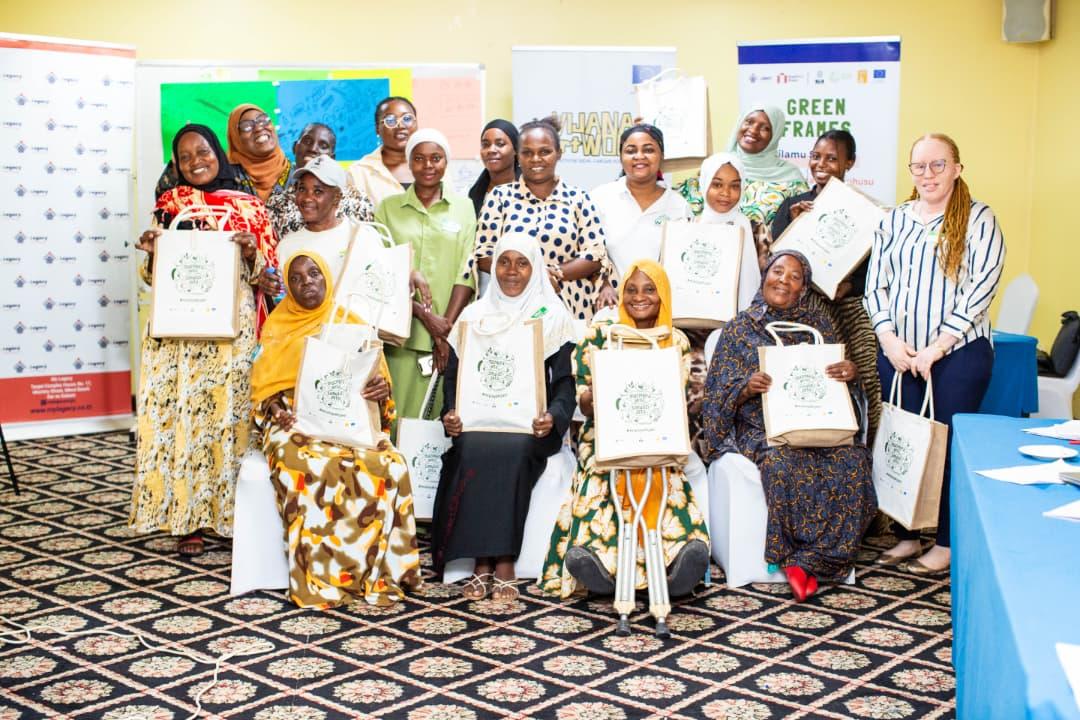
In Tanzania, climate change significantly impacts the daily lives of millions of women and girls, affecting their access to water, food, and income. This reality highlights the need for empowerment and community strengthening to better cope with climate shocks, moving beyond statistical discussions to address the tangible effects on vulnerable populations, according to Daily News.
Daily News (TZ)·June 24, 2026 at 1:56 PM
According to The Conversation Africa, climate-related disasters in sub-Saharan Africa are increasingly affecting public perceptions of taxation. Events such as floods, droughts, and storms are not only environmental issues but also impact livelihoods, inequality, and the relationship between citizens and their governments. Effective taxation relies on citizens' trust in the state's capability and fairness, especially during crises, as governments depend on tax revenues to fund essential services and climate adaptation efforts.
The Conversation Africa·June 29, 2026 at 9:33 AM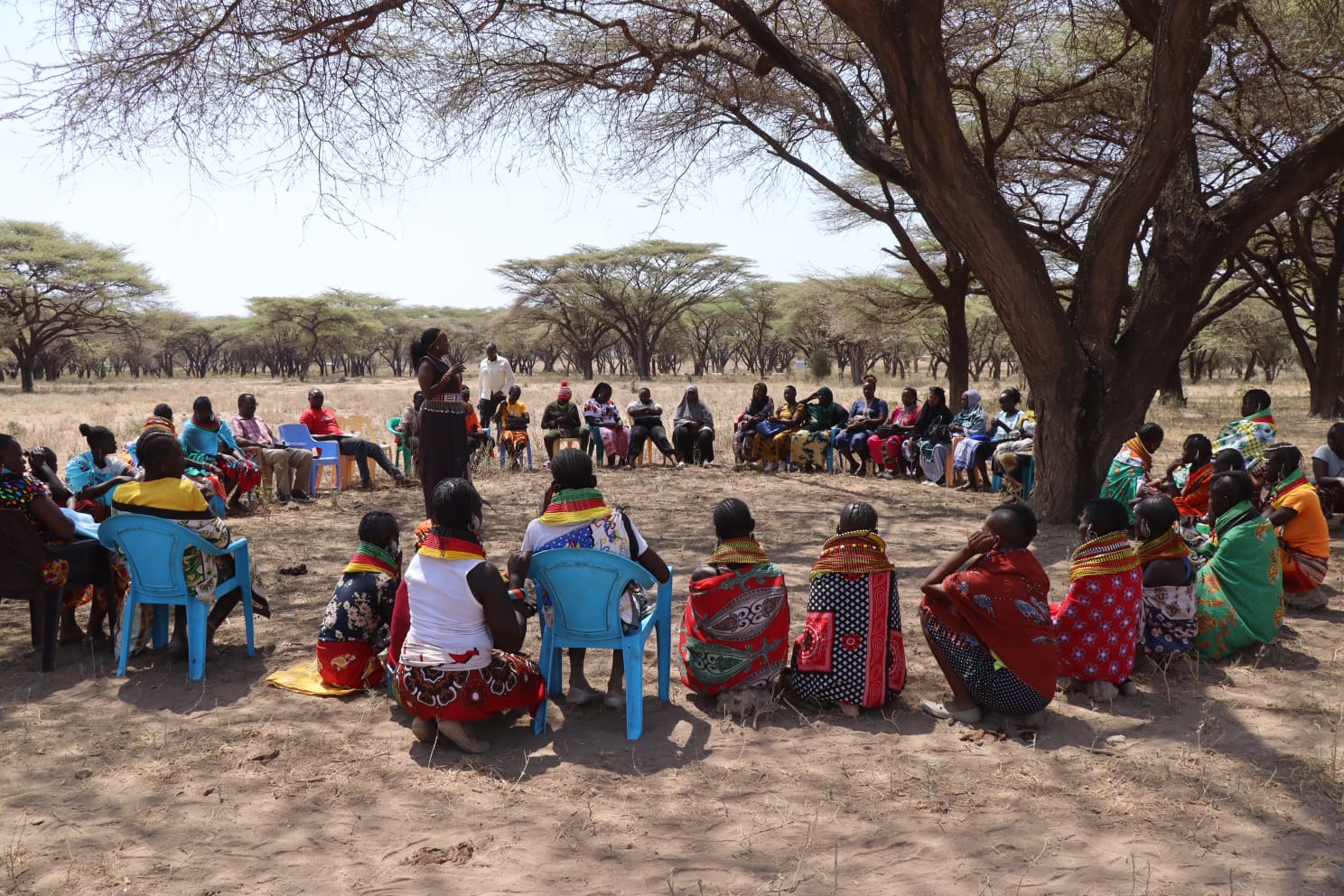
Women from various communities in Isiolo County have raised alarms about the adverse effects of climate change, which they claim are leading to non-economic losses that threaten indigenous cultures and traditional knowledge. The women, part of the Queen of Peace Community-Based Organisation, convened at Daaba Ya Juu to discuss these issues and call for action.
KBC·July 5, 2026 at 8:34 AM
Africa is experiencing a significant decline in foreign aid, with official development assistance dropping by 23.1% in 2025, the largest annual decrease on record, and a further projected decline of 5.8% in 2026. This decline is compounded by rising debt, climate pressures, and a weakening global order. The UN Trade and Development has noted that debt servicing is hindering investment in essential sectors like education and health, presenting both a crisis and an opportunity for financial discipline, according to The Conversation Africa.
The Conversation Africa·June 21, 2026 at 5:04 AM