
Researchers have recovered ancient DNA from antelope fossils in South Africa, offering new insight into the large mammals that went extinct over the past 50,000 years. According to The Conversation Africa, ancient DNA is damaged genetic material extracted from fossils thousands of years old, revealing hidden species diversity and how populations expanded and contracted over time. Such studies have mostly been conducted in cold northern regions where low temperatures preserve genetic material, making this African discovery significant.
AI summary. Verify with the original source.
Read full story at The Conversation Africa ↗
Listen
Unlock audio summaries, audio summaries, AI chat, Wikipedia facts, and ad-free reading.
$3.99 / month · cancel anytime
Go PremiumBackground facts
Unlock wikipedia facts, audio summaries, AI chat, Wikipedia facts, and ad-free reading.
$3.99 / month · cancel anytime
Go PremiumSimilar stories
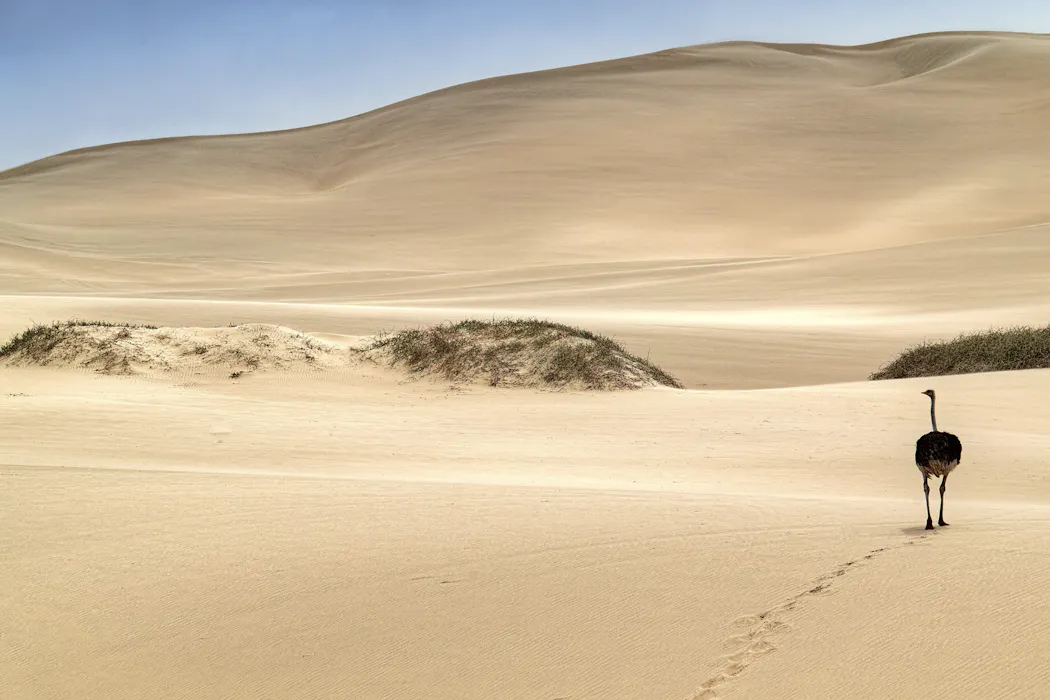
A study published in The Conversation Africa discusses how oxygen atoms found in 15-million-year-old giant eggshells from the Namib desert provide insights into how plants responded to a hotter Earth during the Miocene Epoch. The eggs, laid by extinct relatives of ostriches, serve as time capsules of ancient air, revealing climatic conditions of that era, which is considered an intermediate geological period between the age of dinosaurs and more recent times.
The Conversation Africa·June 22, 2026 at 1:52 PM
A new human ancestor, named Orrorin, has been identified from a limited collection of ancient bone fragments, which includes femur pieces, jaw fragments, isolated teeth, a partial upper-arm bone, and finger bones. This discovery sheds light on the evolutionary history of humans, although much of the information about the species is derived from these fragmentary remains.
Tanzania Times·July 2, 2026 at 11:44 AM
According to The Conversation Africa, archaeological findings and DNA analysis are challenging long-held narratives about ancient Mediterranean history, which have predominantly focused on major civilizations like Greece, Rome, and Egypt. The research indicates that North West Africa, particularly Morocco, had significant communities long before the arrival of Phoenician traders around 3,000 years ago, suggesting a more complex historical landscape than previously understood.
The Conversation Africa·July 2, 2026 at 7:20 AM
A significant development has occurred in the case of a journalist who went missing during the EndSARS protests, as DNA evidence has reportedly provided answers after years of uncertainty regarding their disappearance. This breakthrough sheds light on a long-standing mystery that has captured public attention.
Tori.ng·June 25, 2026 at 7:14 AM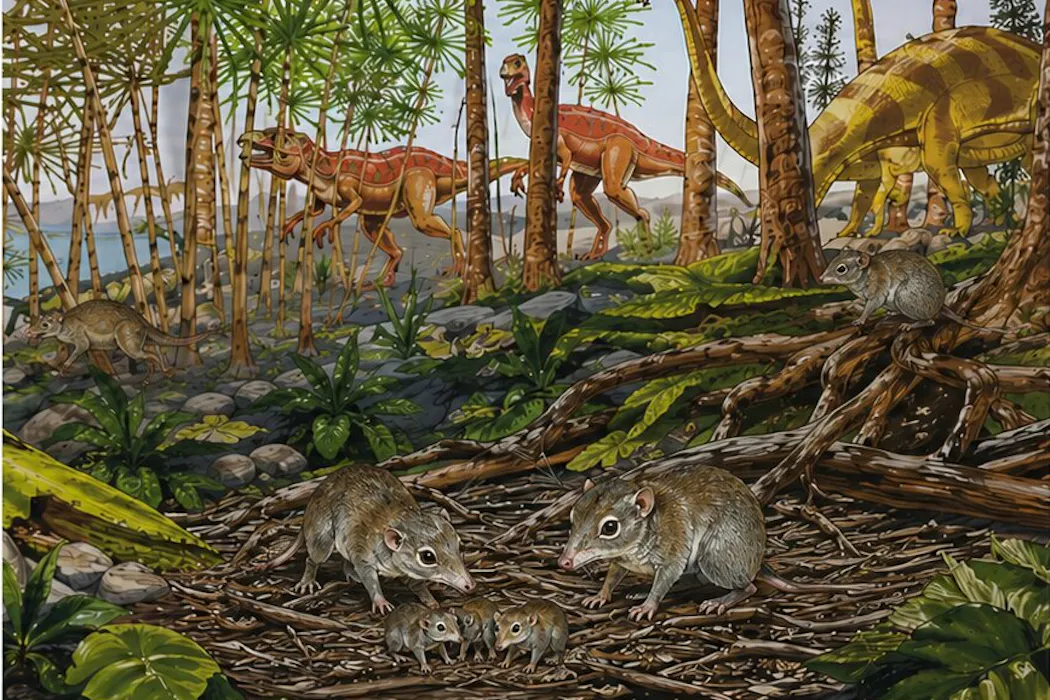
New research suggests that some early mammals living alongside dinosaurs around 160 to 200 million years ago were not solitary as scientists long assumed, but instead lived in pairs, according to The Conversation Africa. The article traces mammalian evolution from egg-laying ancestors that produced milk for their young to the emergence of placental mammals giving birth to live young. These shrew-like creatures may have had more complex social lives than previously believed.
The Conversation Africa·September 3, 2026 at 1:22 PM
One year after Mkhwanazi's exposé on the infiltration of the South African Police Service (SAPS) by criminal elements, the country continues to seek clear answers regarding the situation. The ongoing investigation highlights the challenges faced in addressing corruption within law enforcement, according to SABC News.
SABC News (SA)·July 5, 2026 at 7:40 PM