
The World Bank and the African Development Bank (AfDB) have successfully connected over 50 million people to electricity through their Mission 300 initiative, which spans 40 African countries. This effort aims to accelerate electricity access across the continent.
AI summary. Verify with the original source.
Listen
Unlock audio summaries, audio summaries, AI chat, Wikipedia facts, and ad-free reading.
$3.99 / month · cancel anytime
Go PremiumBackground facts
Unlock wikipedia facts, audio summaries, AI chat, Wikipedia facts, and ad-free reading.
$3.99 / month · cancel anytime
Go PremiumSimilar stories
The Bank of Industry (BOI) electrified over 100 communities and connected 11,777 new power users in 2025, emphasizing its contribution to energy access in Nigeria, according to Punch.
Punch·July 5, 2026 at 4:25 AM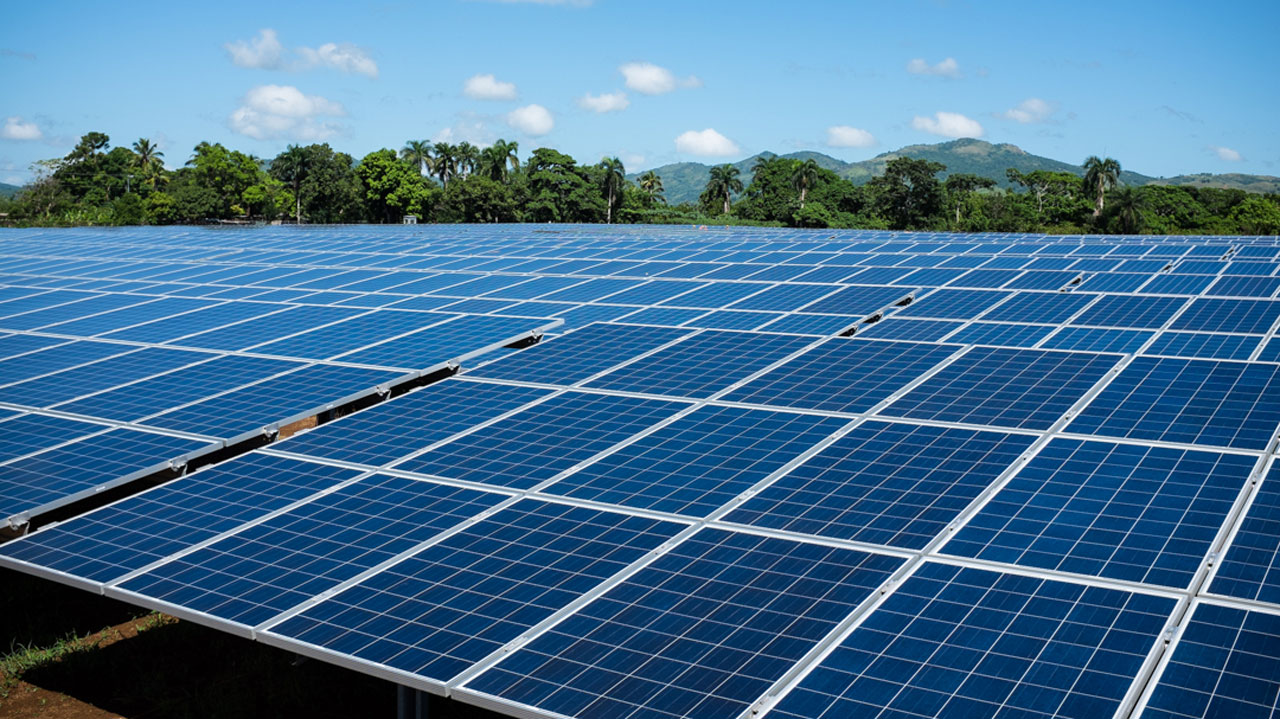
WeLight, Africa’s largest solar mini-grid operator, has secured $31 million to support its expansion efforts in Nigeria. The funding aims to enhance electricity access in some of the continent's most underserved communities.
Nairametrics·June 24, 2026 at 4:19 PM
A global report released by the WHO and partners indicates that over 655 million people worldwide lack access to electricity, while nearly two billion depend on polluting fuels for cooking. This situation poses significant health risks and exacerbates existing inequalities, highlighting a potential global energy and health crisis.
Vanguard (NG)·June 24, 2026 at 11:02 PM
Wema Bank has obtained a €50 million financing facility from EIB Global, the European Investment Bank's development arm, aimed at enhancing credit access for small and medium-sized enterprises (SMEs), particularly those owned by women and youth. The agreement was signed in Lagos and represents the first transaction between Wema Bank and EIB Global.
Vanguard Business·June 23, 2026 at 6:47 AM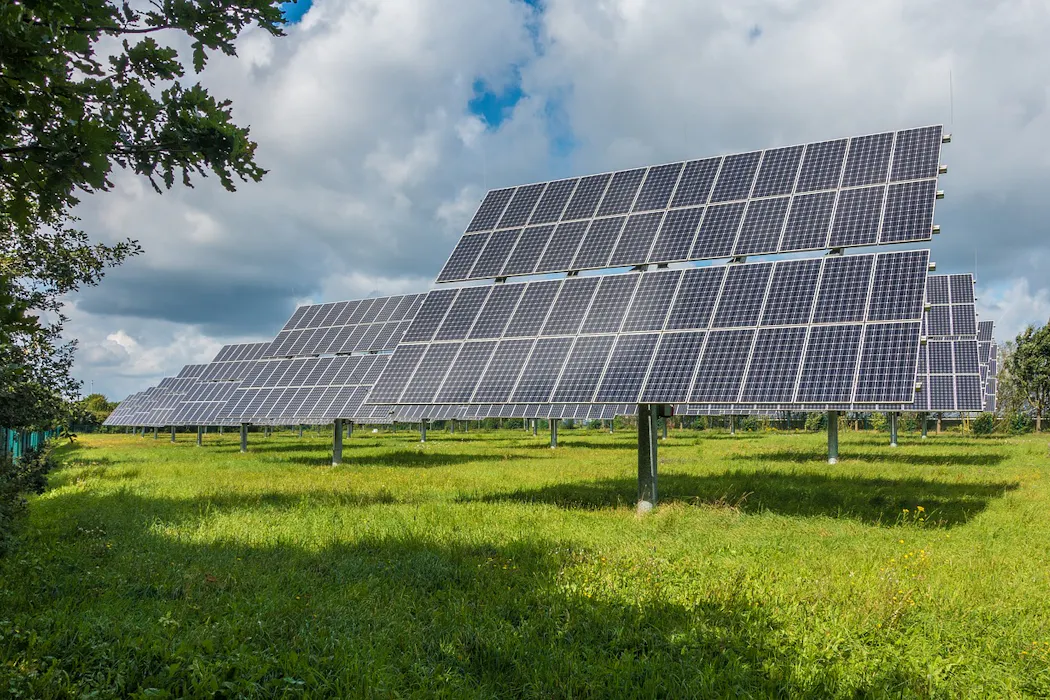
A study tracking 3,139 power plants in Africa reveals that fossil fuels continue to dominate the continent's electricity generation, with only about 57% of the population having access to electricity, primarily in sub-Saharan Africa. To achieve the United Nations goal of universal access to affordable electricity by 2030, rapid expansion of electricity generation is necessary. However, this expansion poses challenges related to water resources and climate change due to greenhouse gas emissions from power plants, particularly coal-fired ones.
The Conversation Africa·June 23, 2026 at 2:20 PM
The United Nations and the Nigerian Government have enhanced their partnership to promote renewable energy via mini-grid solutions aimed at boosting industrialization and economic development in Africa. This initiative was highlighted during the launch of the Africa Minigrids Programme pilot project in Abuja, where the UN Humanitarian Coordinator in Nigeria, Mohammed Fall, emphasized the importance of access to renewable energy.
Leadership (NG)·July 5, 2026 at 6:23 AM