A global report released by the WHO and partners indicates that over 655 million people worldwide lack access to electricity, while nearly two billion depend on polluting fuels for cooking. This situation poses significant health risks and exacerbates existing inequalities, highlighting a potential global energy and health crisis.
AI summary. Verify with the original source.
Read full story at Vanguard (NG) ↗
Listen
Unlock audio summaries, audio summaries, AI chat, Wikipedia facts, and ad-free reading.
$3.99 / month · cancel anytime
Go PremiumBackground facts
Unlock wikipedia facts, audio summaries, AI chat, Wikipedia facts, and ad-free reading.
$3.99 / month · cancel anytime
Go PremiumSimilar stories
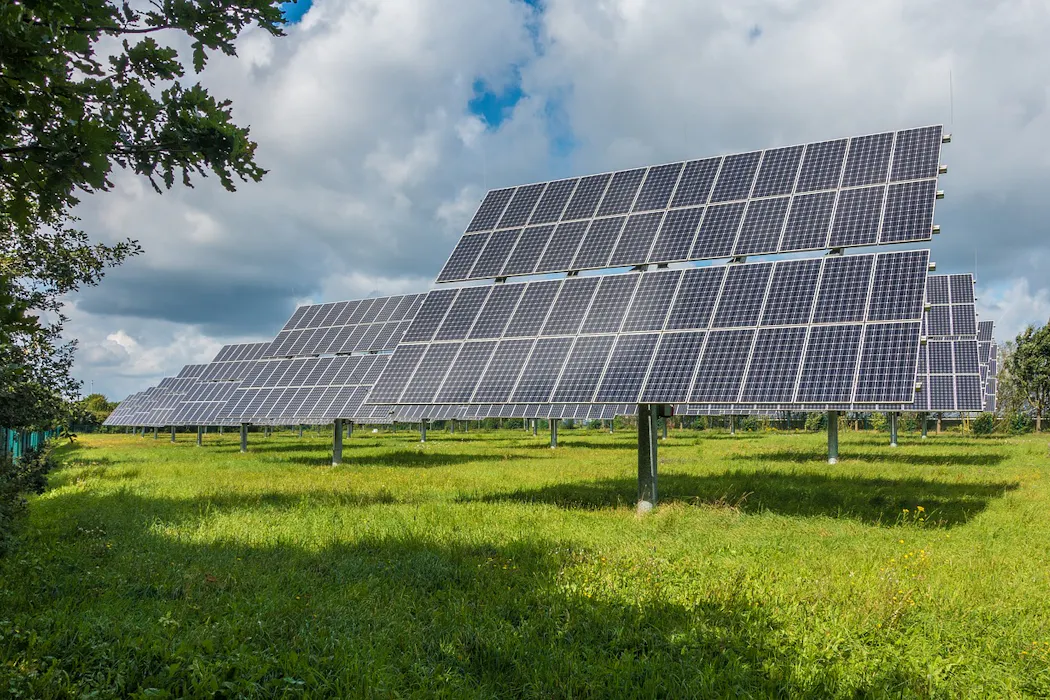
A study tracking 3,139 power plants in Africa reveals that fossil fuels continue to dominate the continent's electricity generation, with only about 57% of the population having access to electricity, primarily in sub-Saharan Africa. To achieve the United Nations goal of universal access to affordable electricity by 2030, rapid expansion of electricity generation is necessary. However, this expansion poses challenges related to water resources and climate change due to greenhouse gas emissions from power plants, particularly coal-fired ones.
The Conversation Africa·June 23, 2026 at 2:20 PM
A report indicates that while Africa has seen growth in hydropower generation, Nigeria continues to face significant challenges with chronic power shortages, frequent grid failures, and a substantial electricity access deficit, despite having considerable hydropower resources.
Premium Times Business·June 23, 2026 at 11:06 PM
The World Bank and the African Development Bank (AfDB) have successfully connected over 50 million people to electricity through their Mission 300 initiative, which spans 40 African countries. This effort aims to accelerate electricity access across the continent.
Punch·June 25, 2026 at 12:09 AM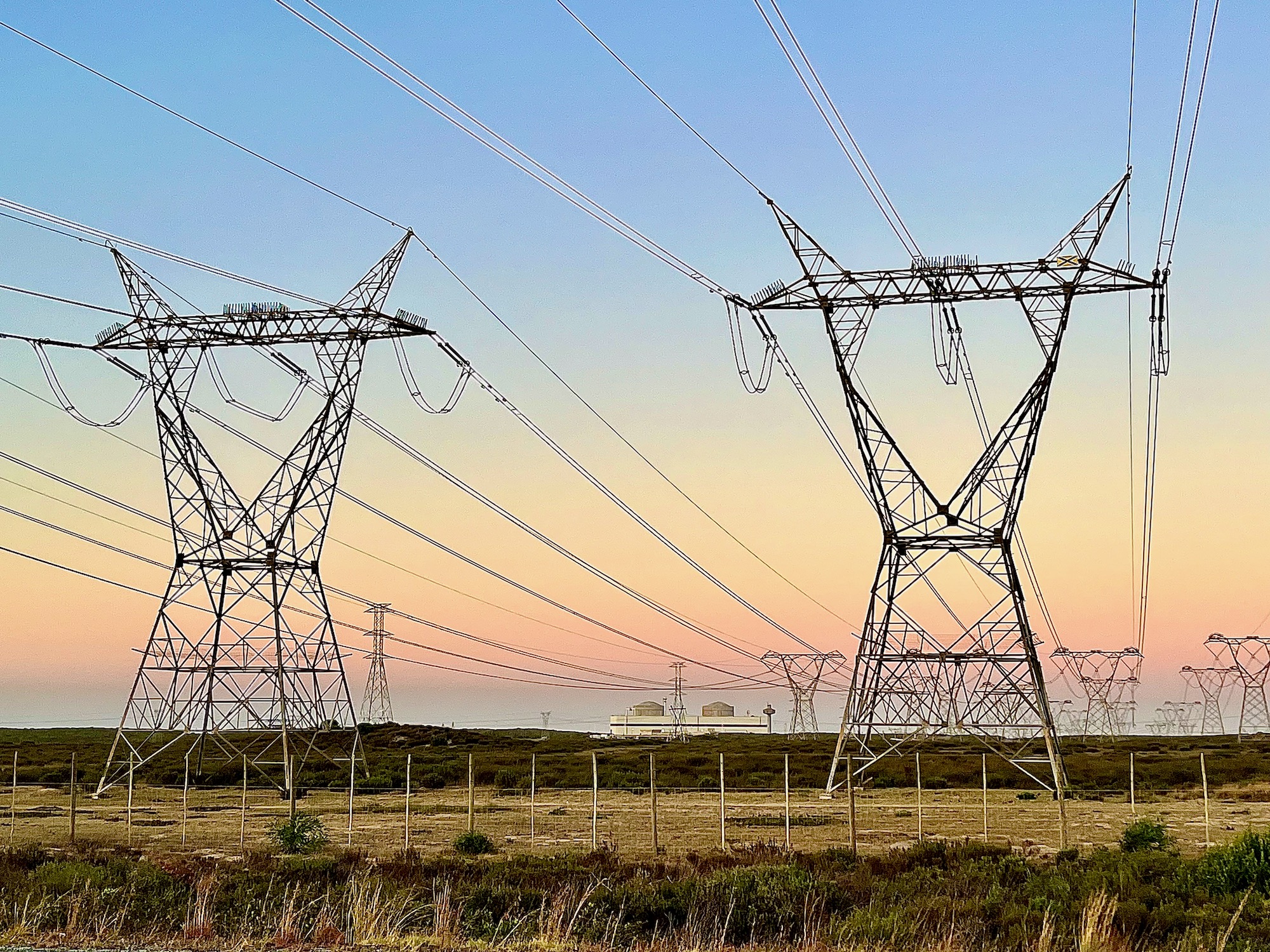
According to Moneyweb, recent electricity price hikes are significantly impacting families, pushing them further into financial difficulties. The focus has shifted from issues of load shedding to the increasing costs of electricity, which are becoming unaffordable for many households.
Moneyweb·July 5, 2026 at 2:00 AM
Experts have called on the Federal Government to enhance the implementation of clean cooking policies and increase investment in electric cooking. They warn that millions of households continue to depend on polluting fuels, which pose risks to public health, contribute to climate change, and worsen poverty.
Premium Times Business·July 2, 2026 at 9:29 PMNigeria's Federal Government is set to spend N358 billion on electricity subsidies in the first quarter of 2026, even as the country continues to experience persistent blackouts. This expenditure occurs while electricity tariffs remain frozen, according to Punch.
Punch·July 5, 2026 at 2:31 AM