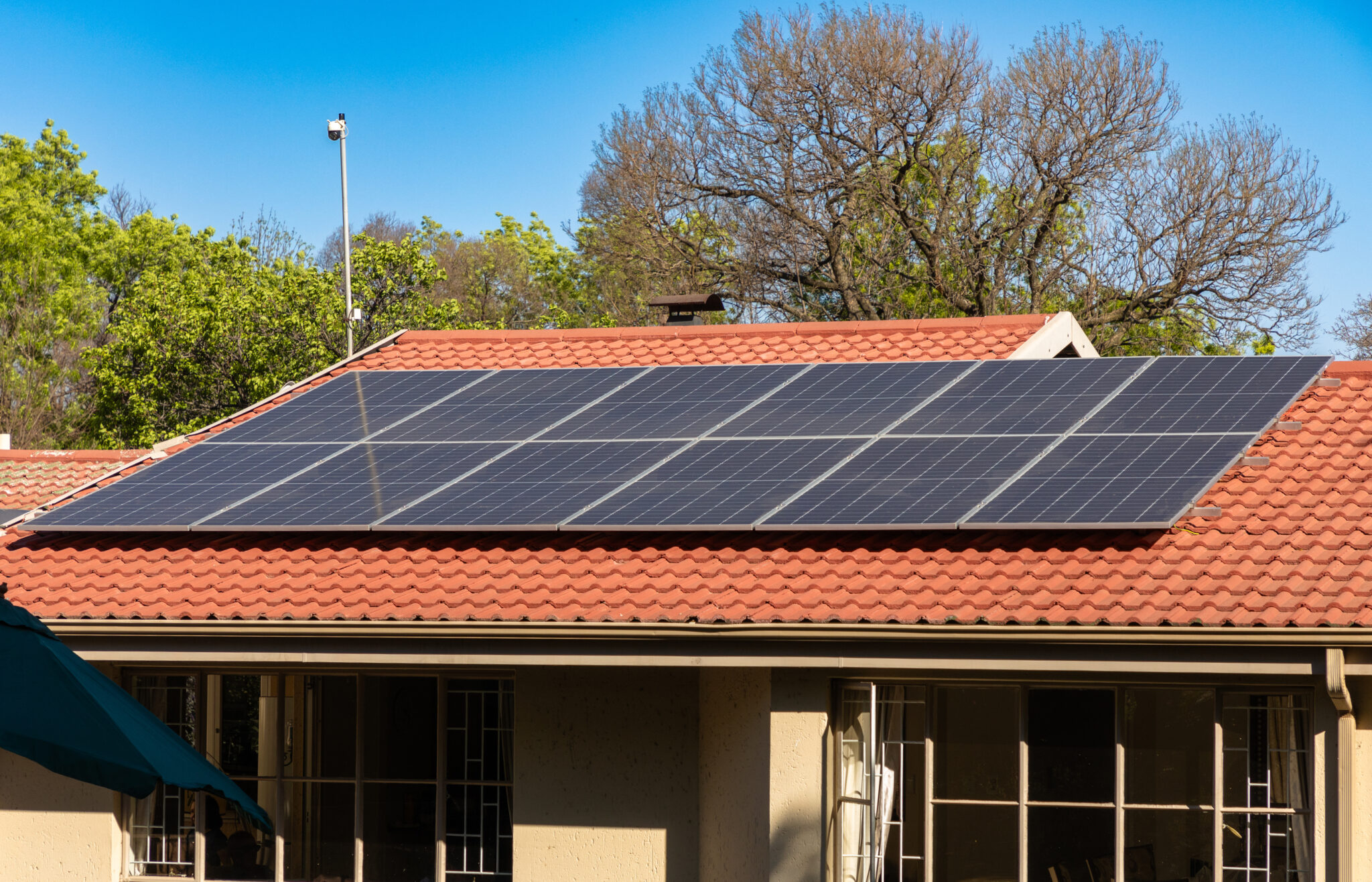
South African power utility Eskom has softened its position on rooftop solar but maintains it can disconnect electricity supply to solar or battery installations it considers unsafe, according to Moneyweb. The Organisation Undoing Tax Abuse (Outa) has pushed back, arguing that Eskom's claimed power to cut supply would not withstand legal scrutiny. The dispute highlights ongoing tension between the state utility and civil society groups over the regulation of private solar installations as more South Africans generate their own power.
AI summary. Verify with the original source.
Listen
Unlock audio summaries, audio summaries, AI chat, Wikipedia facts, and ad-free reading.
$3.99 / month · cancel anytime
Go PremiumBackground facts
Unlock wikipedia facts, audio summaries, AI chat, Wikipedia facts, and ad-free reading.
$3.99 / month · cancel anytime
Go PremiumSimilar stories
According to IOL, Eskom says customers who generate or buy their own electricity may still contribute through network and fixed charges as falling sales volumes reshape its tariff strategy. The report indicates the utility is looking to recover grid-related costs even as more households and businesses adopt solar or alternative supply. Details on specific charge levels, implementation timing, and regulatory approval were not provided in the feed blurb.
IOL·September 8, 2026 at 9:17 AM
A TechCentral report highlights a R1.5-billion challenge linked to switching off surplus solar power in South Africa, as no proposal has reached the country's energy regulator on making midday electricity cheaper to absorb excess solar generation. The article suggests that despite growing solar capacity, regulatory action on time-of-use pricing or similar measures remains absent, raising questions about grid management and the cost of curtailing renewable output.
TechCentral·September 7, 2026 at 10:26 AM
A safety expert quoted by TimesLIVE warns that while solar power can keep homes running, poor installation may pose risks to property. The expert advises keeping solar equipment away from the main house and other valuable property where possible to reduce potential hazards. The report highlights the importance of proper, professional installation to ensure home solar systems operate safely and do not endanger residences.
TimesLIVE·September 8, 2026 at 5:50 PM
South Africa is transitioning from coal-fired electricity, which currently accounts for 74% of its power, to renewable sources like wind and solar. This shift is complicated and is being hindered by the need for a different electricity system and new grid management strategies. Additionally, significant changes are required at Eskom, the state-owned utility that has historically dominated the power sector.
The Conversation Africa·June 30, 2026 at 10:56 AM
In South Africa, 47% of the population faces energy poverty, spending a significant portion of their income on inadequate electricity. The situation is worsening due to the growth of informal settlements, exacerbated by the Covid-19 pandemic. A study focused on the Qandu Qandu settlement examines the impact of a basic solar grant on providing cheaper electricity, raising questions about the viability of solar mini-grids as a solution for those leaving the traditional electricity network.
The Conversation Africa·June 24, 2026 at 1:51 PMDespite a reduction in load shedding and fewer power cuts in South Africa, electricity bills are increasing. This rise in costs is attributed to significant tariff increases approved by the National Energy Regulator, leading to confusion among consumers about why prices are climbing when the power supply is more stable.
IOL·June 25, 2026 at 3:50 AM