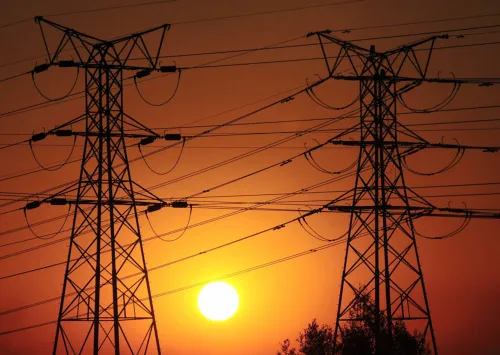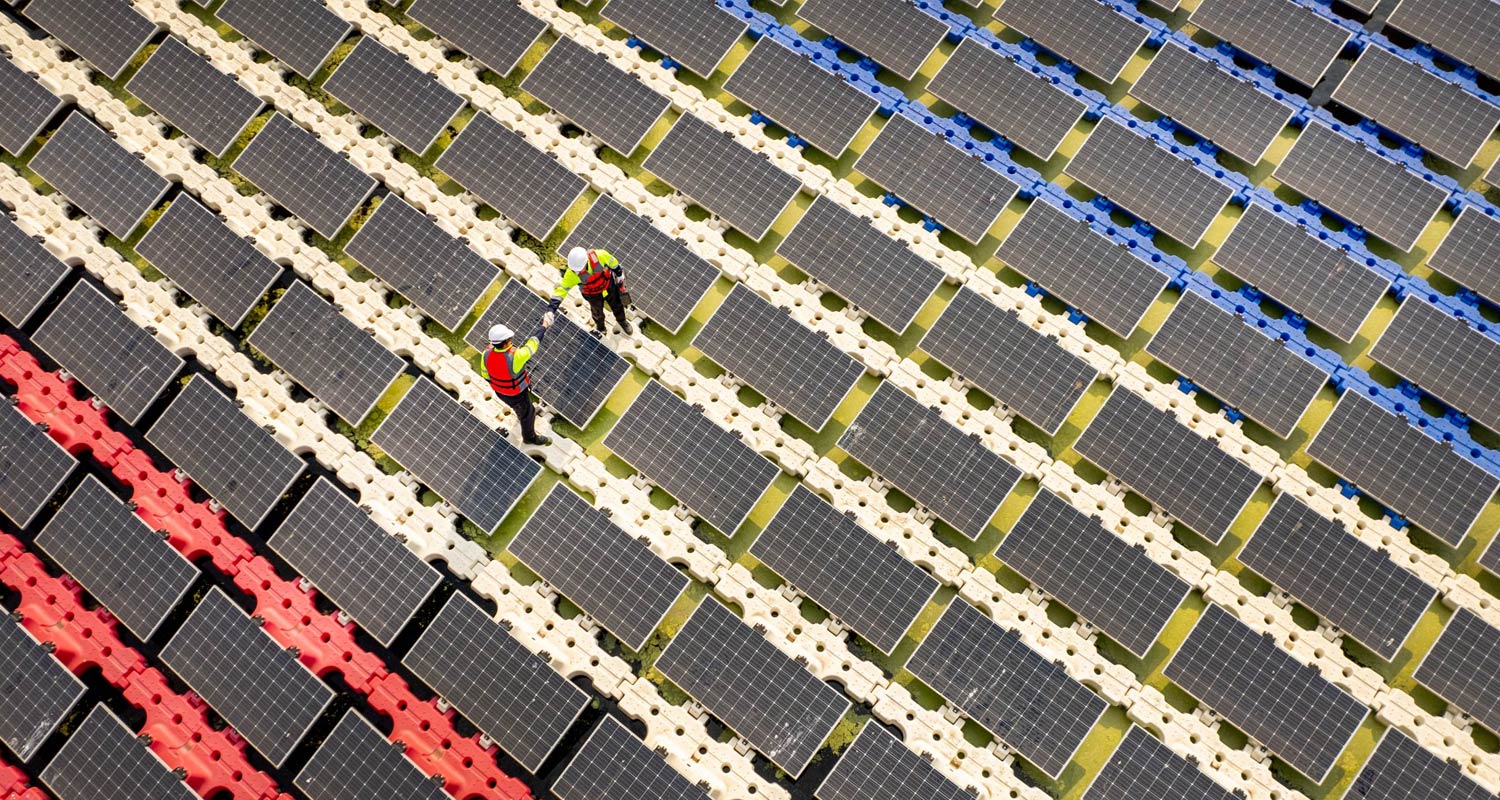
A TechCentral report highlights a R1.5-billion challenge linked to switching off surplus solar power in South Africa, as no proposal has reached the country's energy regulator on making midday electricity cheaper to absorb excess solar generation. The article suggests that despite growing solar capacity, regulatory action on time-of-use pricing or similar measures remains absent, raising questions about grid management and the cost of curtailing renewable output.
AI summary. Verify with the original source.
Read full story at TechCentral ↗
Listen
Unlock audio summaries, audio summaries, AI chat, Wikipedia facts, and ad-free reading.
$3.99 / month · cancel anytime
Go PremiumBackground facts
Unlock wikipedia facts, audio summaries, AI chat, Wikipedia facts, and ad-free reading.
$3.99 / month · cancel anytime
Go PremiumSimilar stories

South Africa is transitioning from coal-fired electricity, which currently accounts for 74% of its power, to renewable sources like wind and solar. This shift is complicated and is being hindered by the need for a different electricity system and new grid management strategies. Additionally, significant changes are required at Eskom, the state-owned utility that has historically dominated the power sector.
The Conversation Africa·June 30, 2026 at 10:56 AMDespite a reduction in load shedding and fewer power cuts in South Africa, electricity bills are increasing. This rise in costs is attributed to significant tariff increases approved by the National Energy Regulator, leading to confusion among consumers about why prices are climbing when the power supply is more stable.
IOL·June 25, 2026 at 3:50 AM
In South Africa, 47% of the population faces energy poverty, spending a significant portion of their income on inadequate electricity. The situation is worsening due to the growth of informal settlements, exacerbated by the Covid-19 pandemic. A study focused on the Qandu Qandu settlement examines the impact of a basic solar grant on providing cheaper electricity, raising questions about the viability of solar mini-grids as a solution for those leaving the traditional electricity network.
The Conversation Africa·June 24, 2026 at 1:51 PM
According to The Citizen Business, South Africa loses approximately R26 billion annually due to water losses, with nearly half of its treated water not reaching end users.
The Citizen Business·June 19, 2026 at 11:29 AM
According to TimesLIVE, the dynamics of power in Africa are shifting, with renewable energy becoming a significant part of the solution to energy challenges on the continent. This change reflects a broader trend towards sustainable energy sources in response to various socio-economic factors.
TimesLIVE·July 4, 2026 at 10:00 PM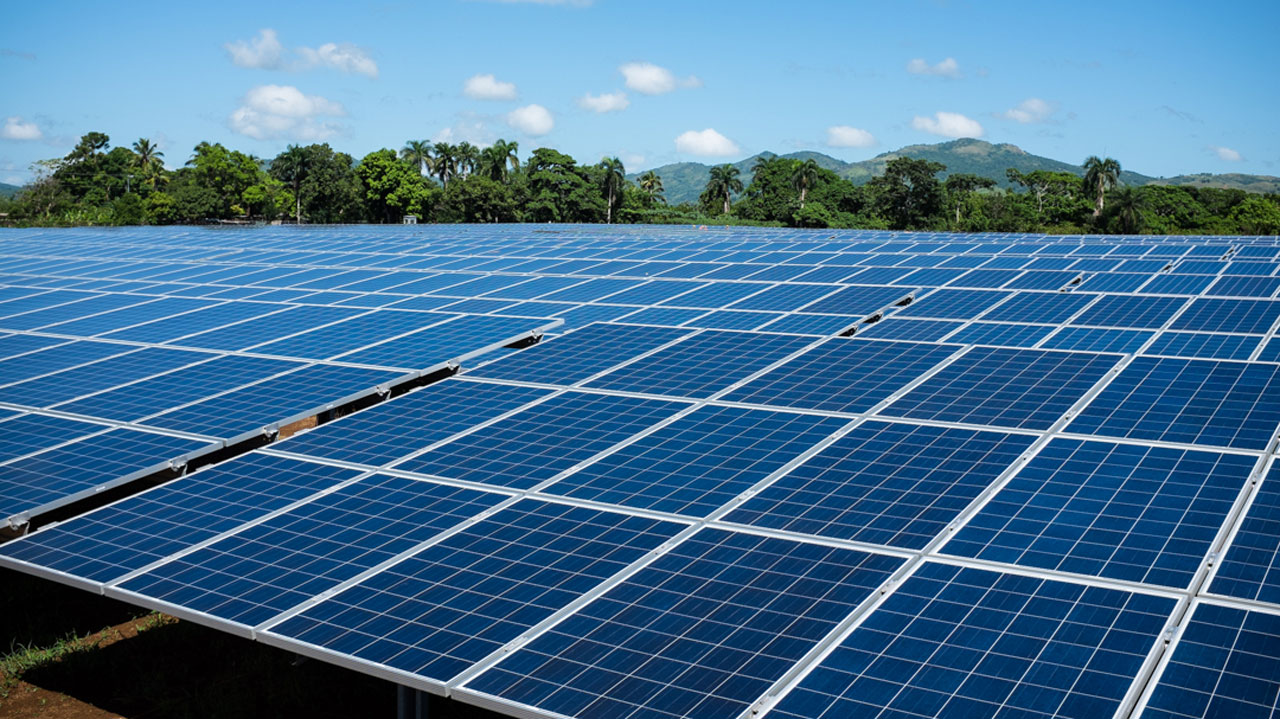
WeLight, Africa’s largest solar mini-grid operator, has secured $31 million to support its expansion efforts in Nigeria. The funding aims to enhance electricity access in some of the continent's most underserved communities.
Nairametrics·June 24, 2026 at 4:19 PM