The Monetary Policy Committee of the Central Bank of Nigeria unanimously voted at its 306th meeting to retain the Monetary Policy Rate at 26.5 per cent, keeping other parameters unchanged, according to Daily Trust. The Standing Facilities Corridor was held around the MPR at +50/-450 basis points, and the Cash Reserve Ratio was also retained. The report frames the decision as an effort to consolidate macroeconomic gains.
AI summary. Verify with the original source.
Read full story at Daily Trust ↗
Listen
Unlock audio summaries, audio summaries, AI chat, Wikipedia facts, and ad-free reading.
$3.99 / month · cancel anytime
Go PremiumBackground facts
Unlock wikipedia facts, audio summaries, AI chat, Wikipedia facts, and ad-free reading.
$3.99 / month · cancel anytime
Go PremiumSimilar stories
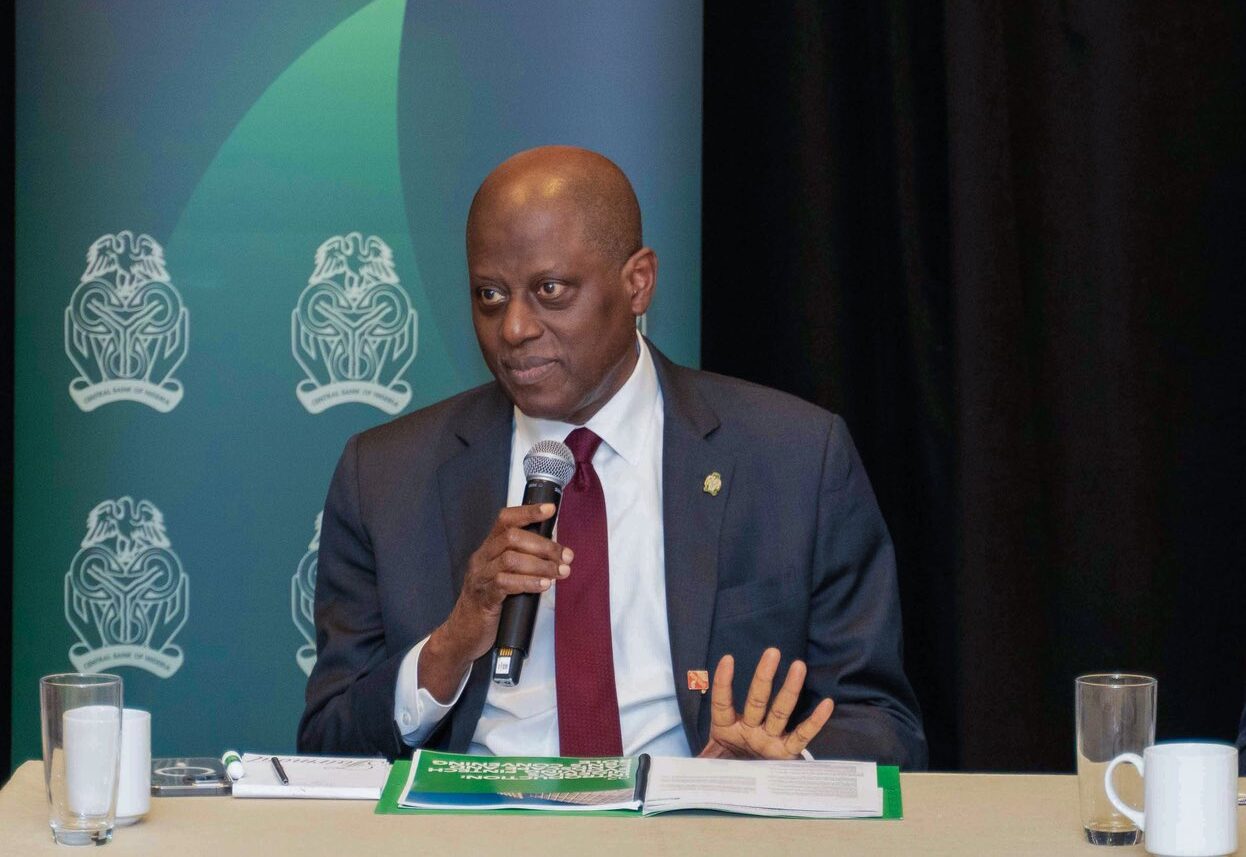
A member of the Monetary Policy Committee (MPC) has called on the Central Bank of Nigeria (CBN) to implement further actions aimed at lowering lending rates for both households and businesses. This appeal comes in the context of recent recapitalization efforts within the banking sector.
Nairametrics·July 4, 2026 at 2:05 PM
The Monetary Policy Committee (MPC) of the Bank of Uganda (BoU) decided to keep the Central Bank Rate (CBR) at 9.75 percent during its meeting on 14 May 2026. The Committee noted that while risks from the Middle East conflict could increase inflation, the current monetary policy is deemed appropriate for the existing macroeconomic conditions. Inflation has remained below the medium-term target of 5 percent over the past year, ending in April 2026.
Uganda Business News·May 15, 2026 at 6:36 AM
Nigeria's banking system recorded a liquidity surplus of N4.66 trillion last week, according to Punch. The surplus reportedly eased funding pressure across banks and contributed to a lower overnight lending rate, improving conditions within the country's financial system. The development suggests banks had more funds available than needed to meet their obligations during the period, reducing the cost of short-term borrowing between institutions. Further details on the figures and their implications were not provided in the available report.
Punch·September 8, 2026 at 12:43 AM
Nigeria's non-performing loans (NPLs) ratio increased to 9.85% in February 2026, nearly double the acceptable threshold of 5%. This rise followed the Central Bank of Nigeria's (CBN) withdrawal of regulatory forbearance, which led lenders to reclassify previously deferred exposures. The information was detailed in the CBN's February 2026 Economic Report released on Wednesday.
Leadership (NG)·June 25, 2026 at 5:42 AM
The Manufacturers Association of Nigeria (MAN) has criticized the average prime lending rates of 27 percent and maximum lending rates of 36.5 percent charged by major commercial banks as of May 2026, labeling them as exploitatively high for the manufacturing sector.
Tribune Online (NG)·June 25, 2026 at 7:21 AM
Olayemi Cardoso, the Governor of the Central Bank of Nigeria, has urged banks to utilize the over N4.6 trillion raised from the recent banking sector recapitalisation to invest in productive sectors. This initiative aims to create jobs, support businesses, and enhance foreign exchange earnings. The recapitalisation exercise concluded on March 31, 2026.
Leadership (NG)·July 5, 2026 at 6:10 AM