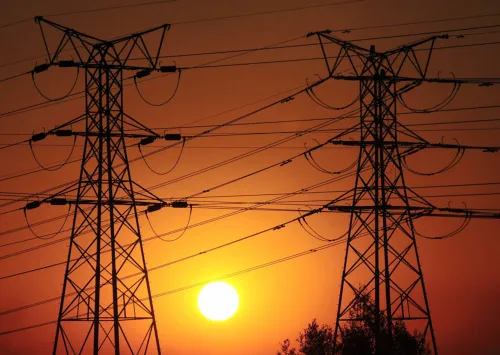
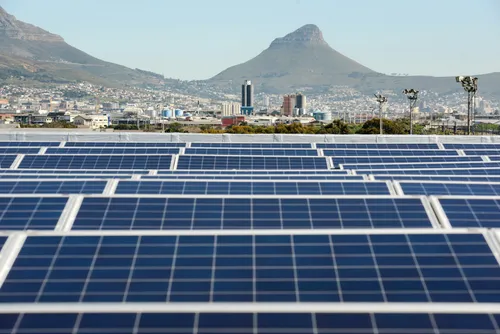
South Africa's government has issued a new electricity pricing policy for the first time in 18 years, according to The Conversation Africa. The rules guide the national energy regulator, state utility Eskom and municipalities in setting prices, specifying which costs can be recovered from customers and how charges must appear on bills. The policy aims to keep prices fair and transparent while funding system maintenance and supporting poor households, though the analysis notes both strengths and shortcomings in the approach.
AI summary. Verify with the original source.
Read full story at The Conversation Africa ↗
Listen
Unlock audio summaries, audio summaries, AI chat, Wikipedia facts, and ad-free reading.
$3.99 / month · cancel anytime
Go PremiumBackground facts
Unlock wikipedia facts, audio summaries, AI chat, Wikipedia facts, and ad-free reading.
$3.99 / month · cancel anytime
Go PremiumSimilar stories
Despite a reduction in load shedding and fewer power cuts in South Africa, electricity bills are increasing. This rise in costs is attributed to significant tariff increases approved by the National Energy Regulator, leading to confusion among consumers about why prices are climbing when the power supply is more stable.
IOL·June 25, 2026 at 3:50 AM
South Africa is transitioning from coal-fired electricity, which currently accounts for 74% of its power, to renewable sources like wind and solar. This shift is complicated and is being hindered by the need for a different electricity system and new grid management strategies. Additionally, significant changes are required at Eskom, the state-owned utility that has historically dominated the power sector.
The Conversation Africa·June 30, 2026 at 10:56 AMAccording to IOL, Eskom says customers who generate or buy their own electricity may still contribute through network and fixed charges as falling sales volumes reshape its tariff strategy. The report indicates the utility is looking to recover grid-related costs even as more households and businesses adopt solar or alternative supply. Details on specific charge levels, implementation timing, and regulatory approval were not provided in the feed blurb.
IOL·September 8, 2026 at 9:17 AM
South African electricity consumers may be paying up to 25% more for prepaid electricity through unlawful charges imposed by rogue vendors, according to Moneyweb. Government is seeking to clamp down on these vendors and bring the prepaid electricity resale market under control. The report raises questions about whether households are being overcharged when purchasing electricity through third-party sellers rather than directly from municipalities or Eskom.
Moneyweb·September 8, 2026 at 4:35 AM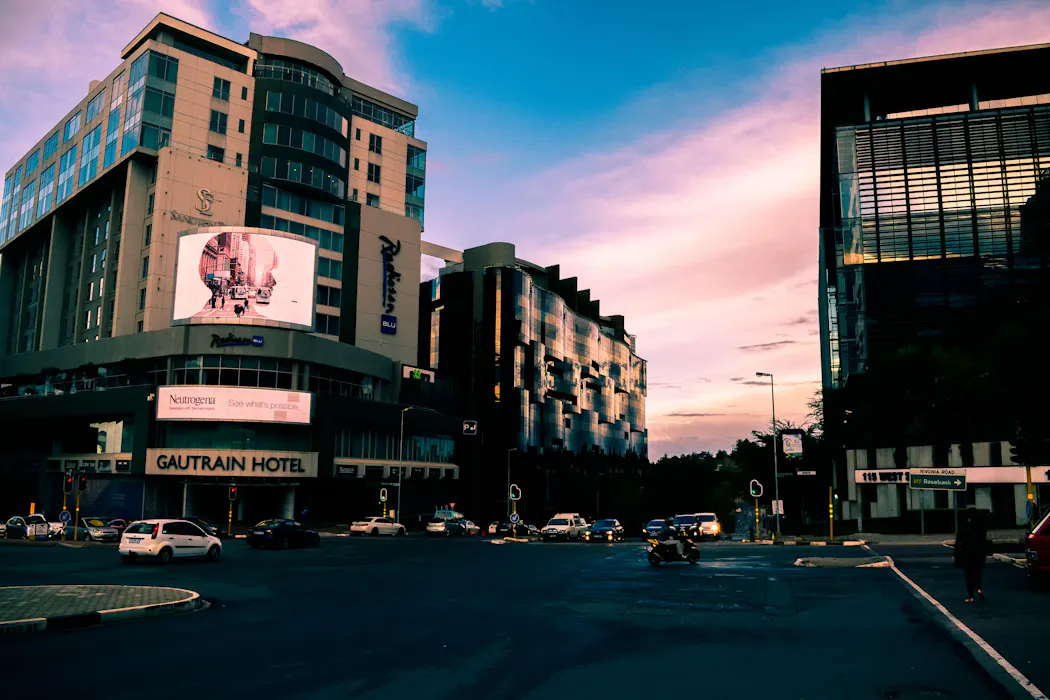
Johannesburg has taken out a significant loan to address its electricity issues, as the city's power infrastructure and billing systems require urgent improvements. A survey indicated that only 38% of residents were satisfied with their electricity services in 2023/2024, a sharp decline from 77% in 2017/18. The auditor general reported that the city allocated only 1% of its operating budget for maintenance in 2024/25, well below the recommended 8%.
The Conversation Africa·June 23, 2026 at 11:26 AM
South African consumers could face an 8.8% increase in electricity bills if Eskom's application to the National Energy Regulator of South Africa (NERSA) is approved. According to SABC Business, the state-owned power utility is requesting permission to implement the third year of its multi-year price determination. The decision now rests with NERSA, which regulates electricity tariffs in South Africa. The outcome will determine whether households and businesses pay more for power in the coming period.
SABC Business·September 5, 2026 at 5:02 PM