
Nigeria's economy is expanding at its fastest pace since the second quarter of 2021, according to TechCabal. However, the report notes that this growth is unevenly distributed across the economy, with the sectors driving the headline GDP figures not generating sufficient employment opportunities. The analysis suggests that despite positive overall economic indicators, the benefits of Nigeria's growth are not translating into enough jobs for its population.
AI summary. Verify with the original source.
Read full story at TechCabal ↗
Listen
Unlock audio summaries, audio summaries, AI chat, Wikipedia facts, and ad-free reading.
$3.99 / month · cancel anytime
Go PremiumBackground facts
Unlock wikipedia facts, audio summaries, AI chat, Wikipedia facts, and ad-free reading.
$3.99 / month · cancel anytime
Go PremiumSimilar stories

Nigeria's economy grew by 4.43 per cent in the second quarter of 2026, according to the National Bureau of Statistics. The expansion, reported by Premium Times, was supported by improved performances in both the oil and non-oil sectors. However, industrial growth slowed compared with the same period a year earlier, indicating mixed momentum across sectors of Africa's most populous economy.
Premium Times Business·August 31, 2026 at 4:40 PM
Nigeria's manufacturing sector contributed N4.128 trillion to the country's Gross Domestic Product in the second quarter of 2026, a 3.3 percent year-on-year increase from the N3.998 trillion recorded in the same period of 2025, according to data from the National Bureau of Statistics reported by Vanguard. The growth comes amid improved optimism among manufacturers about Nigeria's business environment, according to the report by Yinka Kolawole.
Vanguard Business·September 7, 2026 at 1:06 PM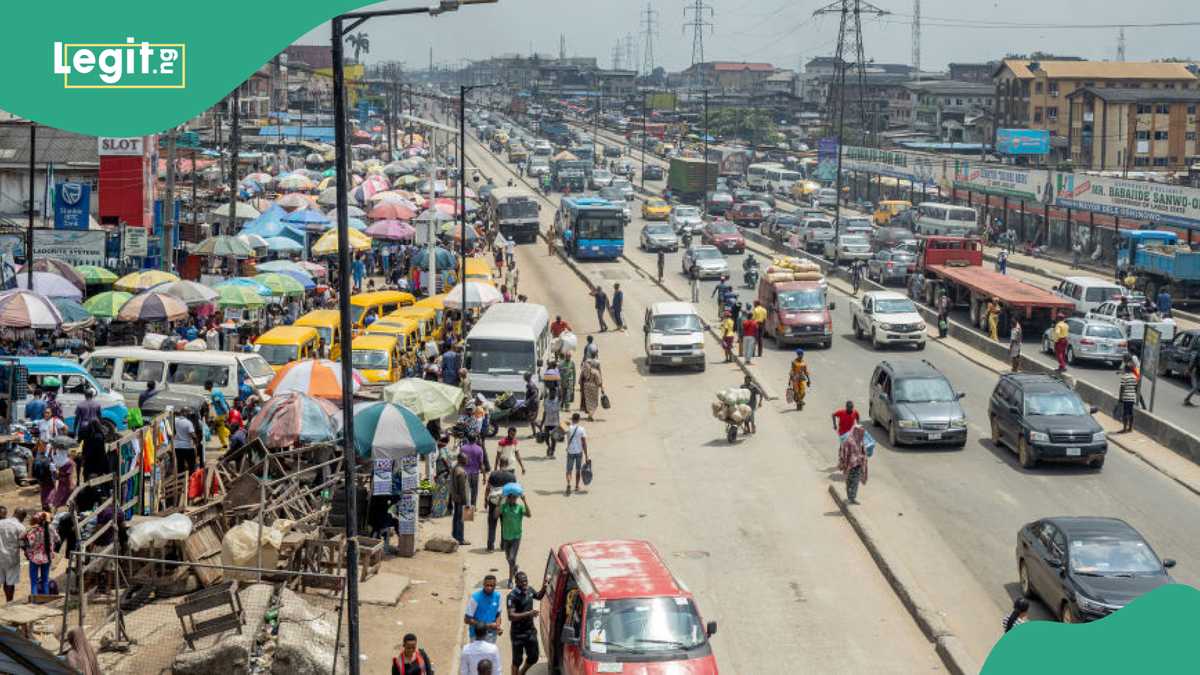
According to the CPPE, the Nigerian economy is expected to experience stronger growth in the second half of 2026. However, the organization cautions that increasing political activities related to the 2027 elections may pose risks to inflation, necessary reforms, and overall economic stability.
Legit.ng·July 5, 2026 at 2:22 PM
Nigeria recorded a trade surplus of N12.59 trillion in the second quarter of 2026, according to the National Bureau of Statistics. The NBS said total foreign trade with other countries reached N41.44 trillion during the period, with the surplus representing a 101.32% increase compared with the same quarter a year earlier. The figures come from the bureau’s Foreign Trade report and point to stronger export earnings relative to imports, though the blurb does not provide sector breakdowns.
Daily Trust·September 7, 2026 at 5:31 PM
Despite rising oil wealth in Nigeria, many poor students continue to face financial hardship, prompting renewed scrutiny of the Nigerian Education Loan Fund (NELFUND) and its effectiveness in supporting access to education. According to Legit.ng, the contrast between the country's growing petroleum revenues and the ongoing struggles of disadvantaged students raises fresh questions about whether the fund is fulfilling its intended role in expanding educational opportunities for those most in need.
Legit.ng·September 7, 2026 at 6:03 PM
According to Daily Trust, Nigeria is classified as a technically poor country based on various economic metrics. Many Nigerians are aware of the significant wealth accumulated by a select few who have access to national resources, leading to frustration as they witness a continuation of this trend over the past eight years.
Daily Trust·June 25, 2026 at 12:30 AM