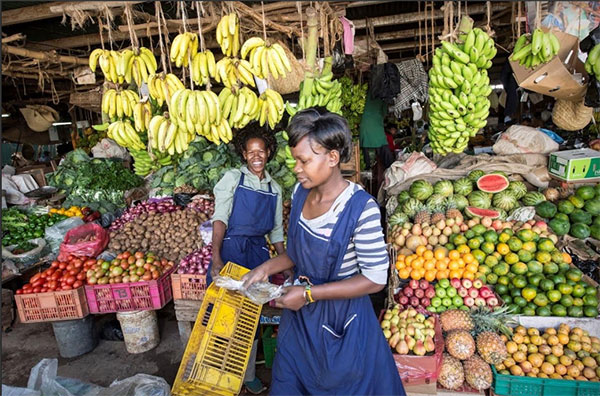
According to FAO Economist Monica Tothova, the ongoing energy crisis linked to the conflict in the Middle East has not yet impacted global food prices due to existing agricultural reserves. Despite worries regarding energy costs, fertilizer prices, and freight disruptions, the global food commodity market remains stable for the time being.
AI summary. Verify with the original source.
Read full story at The Independent (UG) ↗
Listen
Unlock audio summaries, audio summaries, AI chat, Wikipedia facts, and ad-free reading.
$3.99 / month · cancel anytime
Go PremiumBackground facts
Unlock wikipedia facts, audio summaries, AI chat, Wikipedia facts, and ad-free reading.
$3.99 / month · cancel anytime
Go PremiumCovered by 2 sources
- The Independent (UG), The Independent
- Upland Media (UG), Lubangakene Cyrus
Similar stories

Obi has expressed concerns regarding a warning from the United Nations about a food crisis in Northern Nigeria. He urged both the federal and state governments to make proactive investments in securing agricultural corridors and to support smallholder farmers by providing them with accessible resources.
Vanguard (NG)·July 4, 2026 at 4:22 PM
The Energy and Petroleum Regulatory Authority (EPRA) has stated that motorists in Kenya will have to wait 30 to 45 days for the recent decline in global oil prices to be reflected in local pump prices. EPRA Petroleum and Gas Director Edward Kinyua noted that global fuel prices are influenced by geopolitical events, citing the recent Middle East crisis as a factor that increased fuel costs.
Nairobi Wire·July 3, 2026 at 3:50 AM
Africa's reliance on imported fuel is particularly pronounced in the transport sector, where road transport consumes about 80 percent of the continent's imported fuel. This dependence significantly impacts the economy, as transport costs can account for up to 45 percent of the final retail price of staple foods, highlighting both a challenge and an opportunity for energy solutions in the region.
Tanzania Times·July 5, 2026 at 10:58 AM
Women and girls play a crucial role in global food systems but face significant barriers such as unequal access to land, finance, education, and leadership opportunities. The Food and Agriculture Organization (FAO) emphasizes that addressing gender inequality is essential for achieving food security worldwide.
Daily News (TZ)·July 4, 2026 at 1:00 PM
In July, Tanzanian motorists and households will benefit from a slight decrease in fuel prices, attributed to a ceasefire in the Middle East. However, despite this reduction, fuel costs remain considerably higher than levels recorded before the crisis, according to The Chanzo.
The Chanzo·July 1, 2026 at 5:54 AM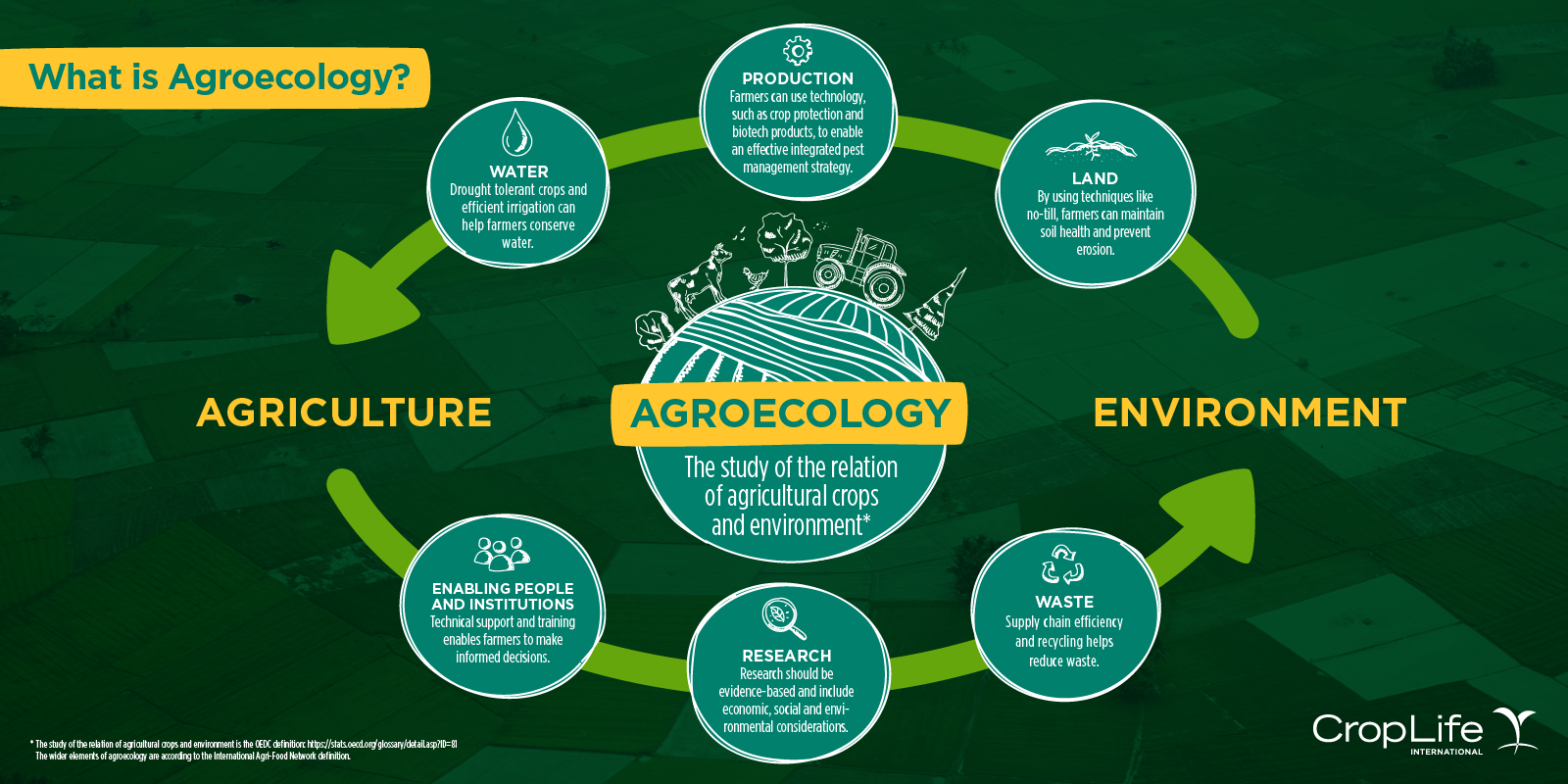
In Tanzania and across Africa, farmers are increasingly adopting agroecology, a sustainable agricultural approach that integrates ecological principles with local knowledge and innovation. This shift aims to enhance food security and resilience against climate shocks while improving productivity and income for households that rely on agriculture for their livelihoods.
Daily News (TZ)·June 24, 2026 at 2:24 PM