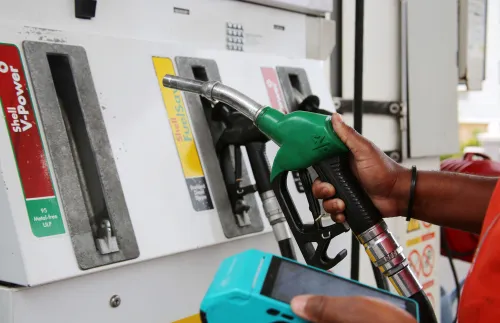
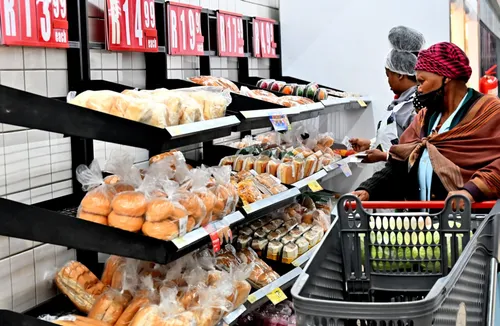
Africa's reliance on imported fuel is particularly pronounced in the transport sector, where road transport consumes about 80 percent of the continent's imported fuel. This dependence significantly impacts the economy, as transport costs can account for up to 45 percent of the final retail price of staple foods, highlighting both a challenge and an opportunity for energy solutions in the region.
AI summary. Verify with the original source.
Read full story at Tanzania Times ↗
Listen
Unlock audio summaries, audio summaries, AI chat, Wikipedia facts, and ad-free reading.
$3.99 / month · cancel anytime
Go PremiumBackground facts
Unlock wikipedia facts, audio summaries, AI chat, Wikipedia facts, and ad-free reading.
$3.99 / month · cancel anytime
Go PremiumSimilar stories
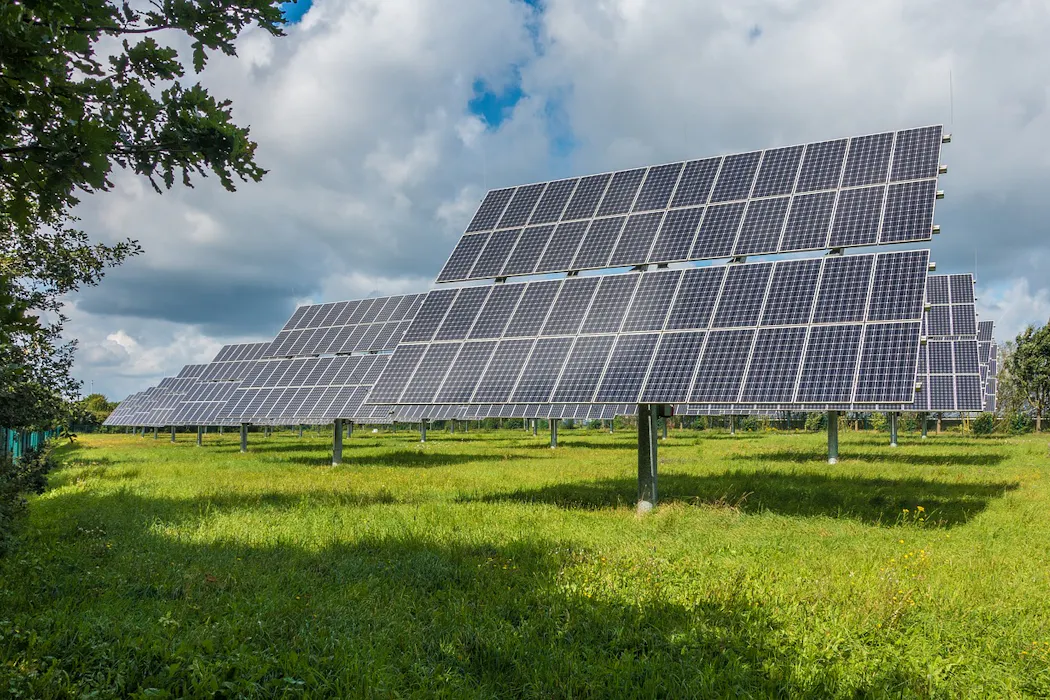
A study tracking 3,139 power plants in Africa reveals that fossil fuels continue to dominate the continent's electricity generation, with only about 57% of the population having access to electricity, primarily in sub-Saharan Africa. To achieve the United Nations goal of universal access to affordable electricity by 2030, rapid expansion of electricity generation is necessary. However, this expansion poses challenges related to water resources and climate change due to greenhouse gas emissions from power plants, particularly coal-fired ones.
The Conversation Africa·June 23, 2026 at 2:20 PM
According to Business Times, Africa is investing billions in infrastructure projects such as transport corridors, high-speed rail networks, and hydropower. However, the article argues that the continent's most significant infrastructure gap lies not in physical structures like railways or roads, but in human capital development.
Business Times (UG)·June 23, 2026 at 6:17 AM
As Africa advances its energy transition, young people are becoming vital in driving innovation and entrepreneurship, particularly in clean cooking solutions. The Africa Energy Forum (AEF) emphasizes the need for the continent's youth to actively participate in developing energy solutions, highlighting their potential role in community transformation.
Daily News (TZ)·July 4, 2026 at 11:37 AM
Africa is experiencing a significant decline in foreign aid, with official development assistance dropping by 23.1% in 2025, the largest annual decrease on record, and a further projected decline of 5.8% in 2026. This decline is compounded by rising debt, climate pressures, and a weakening global order. The UN Trade and Development has noted that debt servicing is hindering investment in essential sectors like education and health, presenting both a crisis and an opportunity for financial discipline, according to The Conversation Africa.
The Conversation Africa·June 21, 2026 at 5:04 AMA report examines the comparison of petrol prices in South Africa with those in other African countries, highlighting the variations from the highest to the lowest prices. It also discusses the factors that influence these costs across the continent.
IOL·June 24, 2026 at 5:32 PMA recent drop in fuel prices has provided some relief to South African households; however, they continue to face significant challenges due to rising unemployment, high food costs, and increasing municipal bills. This situation leaves many families in a precarious financial position, struggling to manage their expenses amidst these pressures.
IOL·July 5, 2026 at 4:00 AM