
Women and girls play a crucial role in global food systems but face significant barriers such as unequal access to land, finance, education, and leadership opportunities. The Food and Agriculture Organization (FAO) emphasizes that addressing gender inequality is essential for achieving food security worldwide.
AI summary. Verify with the original source.
Read full story at Daily News (TZ) ↗
Listen
Unlock audio summaries, audio summaries, AI chat, Wikipedia facts, and ad-free reading.
$3.99 / month · cancel anytime
Go PremiumBackground facts
Unlock wikipedia facts, audio summaries, AI chat, Wikipedia facts, and ad-free reading.
$3.99 / month · cancel anytime
Go PremiumSimilar stories
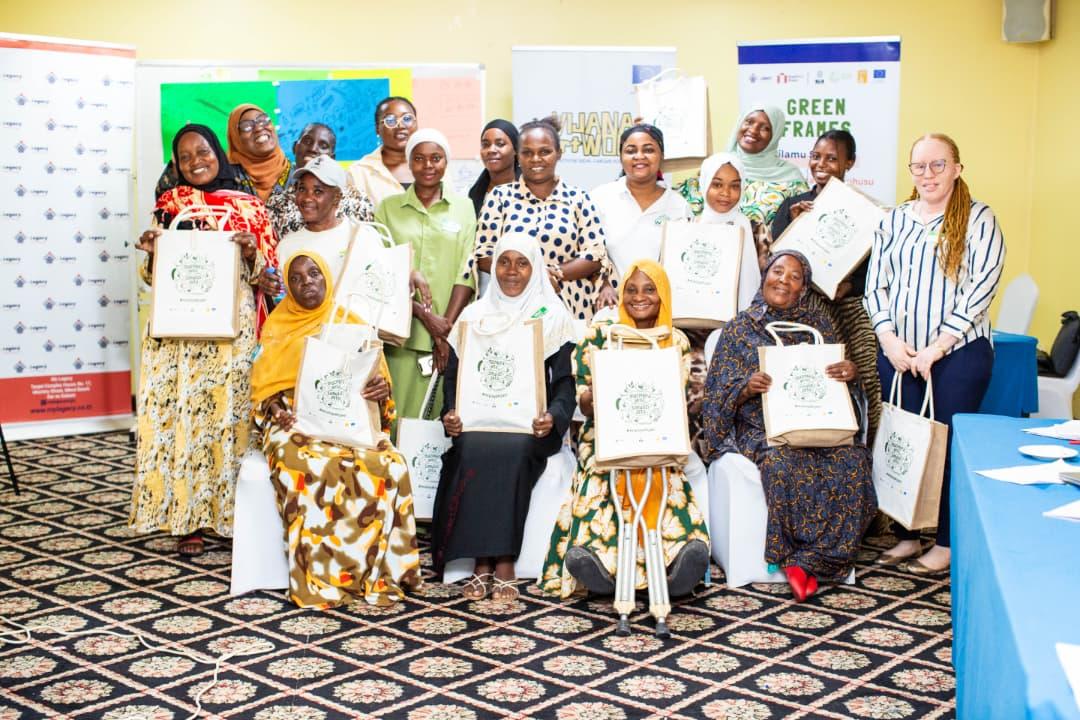
In Tanzania, climate change significantly impacts the daily lives of millions of women and girls, affecting their access to water, food, and income. This reality highlights the need for empowerment and community strengthening to better cope with climate shocks, moving beyond statistical discussions to address the tangible effects on vulnerable populations, according to Daily News.
Daily News (TZ)·June 24, 2026 at 1:56 PM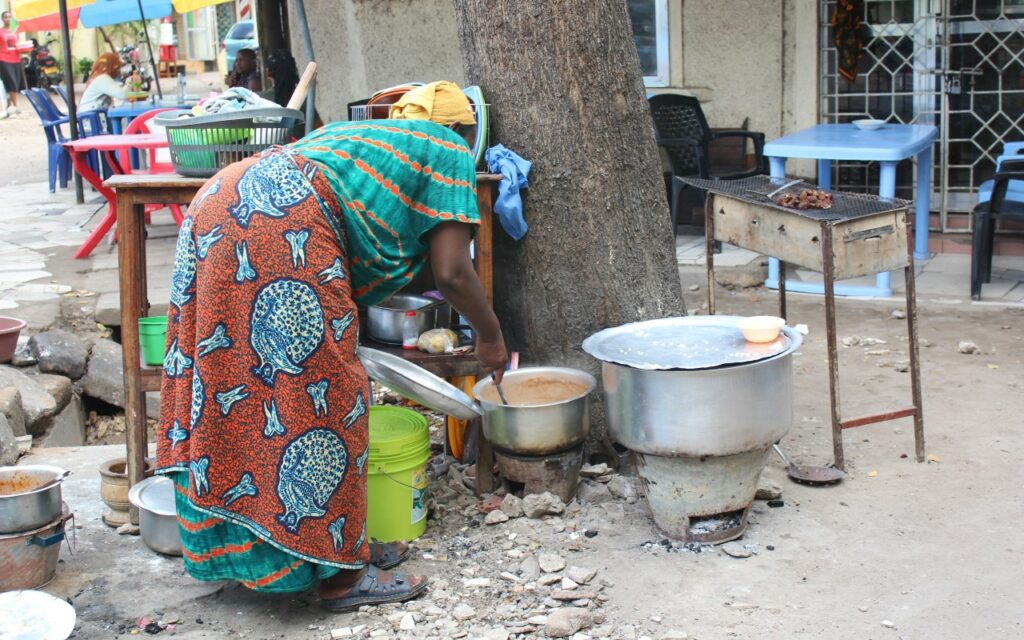
In Dar es Salaam, many women entrepreneurs face significant challenges in accessing capital, which is crucial for the survival and growth of their small businesses. This issue affects various individuals, including those looking to expand their operations, such as a Mama Ntilie needing a larger cooking stove or a market vendor wanting to increase her stock, according to Daily News.
Daily News (TZ)·June 25, 2026 at 7:20 AM
According to The Conversation Africa, women globally face significant malnutrition challenges, with over two-thirds of women of childbearing age lacking sufficient micronutrients. This issue, often termed "hidden hunger," occurs when women consume enough food but still lack essential vitamins and minerals. Despite ongoing interventions, the rate of anaemia among women has increased from 28% to 31% since 2012, highlighting the persistent nutritional deficiencies affecting this demographic.
The Conversation Africa·June 24, 2026 at 1:52 PM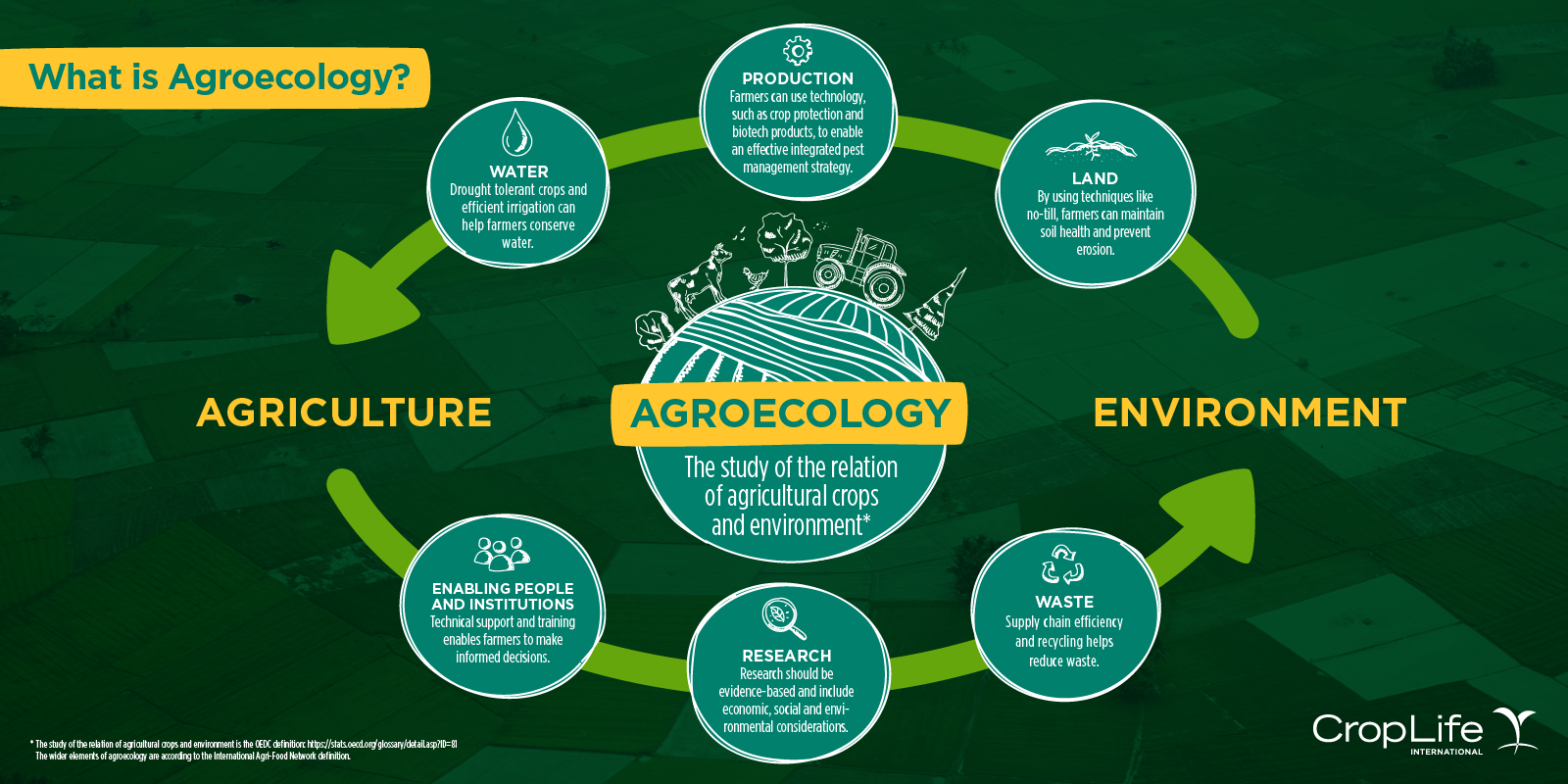
In Tanzania and across Africa, farmers are increasingly adopting agroecology, a sustainable agricultural approach that integrates ecological principles with local knowledge and innovation. This shift aims to enhance food security and resilience against climate shocks while improving productivity and income for households that rely on agriculture for their livelihoods.
Daily News (TZ)·June 24, 2026 at 2:24 PMAt the Financing Agri-Food Systems Sustainably (FINAS 2026) Conference in Nairobi, agroecology advocates emphasized that the future of Kenya's food system depends not only on agricultural production but also on farmers' ability to earn a decent living. They called for increased investment in sustainable agriculture to support this goal.
Kenya News Agency·July 5, 2026 at 1:33 PM
The world’s food systems are facing significant challenges, including climate change, nutrition insecurity, food safety, and unequal market access. According to The Conversation Africa, research has developed practical solutions that could benefit millions, but these solutions are not being widely implemented. The development sector has often focused on pilot projects rather than scaling successful innovations to address these urgent issues.
The Conversation Africa·June 30, 2026 at 1:53 PM