
Students and graduates in South Africa are questioning whether university qualifications will retain their value as artificial intelligence transforms industries, according to The Citizen. The publication reports that conversations about higher education are shifting, with learners weighing the relevance of degrees against a rapidly changing job market shaped by automation and AI tools. The debate reflects broader uncertainty about the skills employers will demand in the future and how universities should adapt their curricula to prepare graduates for an AI-driven economy.
AI summary. Verify with the original source.
Read full story at The Citizen (ZA) ↗
Listen
Unlock audio summaries, audio summaries, AI chat, Wikipedia facts, and ad-free reading.
$3.99 / month · cancel anytime
Go PremiumBackground facts
Unlock wikipedia facts, audio summaries, AI chat, Wikipedia facts, and ad-free reading.
$3.99 / month · cancel anytime
Go PremiumSimilar stories

The BBC interviewed graduates from Stanford University to gather their perspectives on artificial intelligence and its potential impact on their careers and opportunities. The discussions focused on whether AI could serve as a beneficial tool or pose challenges for these individuals in their professional journeys.
BBC World·June 23, 2026 at 11:16 PM
The Vice-Chancellor of the University of Lagos has urged universities to adapt to the use of artificial intelligence rather than attempt to prevent it. She cautioned that excessive dependence on AI could undermine the fundamental purpose of education by allowing students to complete academic tasks without acquiring the required knowledge. Her remarks highlight the growing debate over how higher education institutions should respond to the increasing use of AI tools by students.
PM News (NG)·September 8, 2026 at 5:30 PM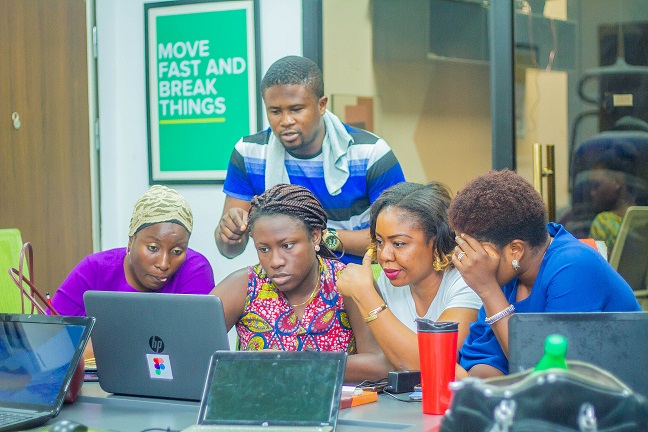
As artificial intelligence influences the future job market, there is a concern regarding the connection between education, entrepreneurship, industry, and finance in Africa. This disconnection may hinder capable young individuals from effectively participating in the digital economy. According to Techpoint Africa, addressing systemic issues could be more crucial than merely equipping the next generation with digital skills.
Techpoint Africa·June 29, 2026 at 7:42 AM
Moneyweb reports that higher education institutions are adjusting their programmes to better match employer demands and close the skills gap. According to Dr Mandi Joubert of Eduvos, work-integrated learning allows students to begin tackling real-world problems while giving partner enterprises access to new knowledge, ideas and talent. The approach is presented as mutually beneficial, helping prepare graduates for the workplace while supporting businesses with fresh skills and perspectives.
Moneyweb·September 7, 2026 at 10:01 PM
The University of South Africa (Unisa) is set to host a webinar focusing on the integration of artificial intelligence and educational technology tools. Two experts will discuss significant topics related to technology in education during the event.
htxt.africa·June 23, 2026 at 12:22 PM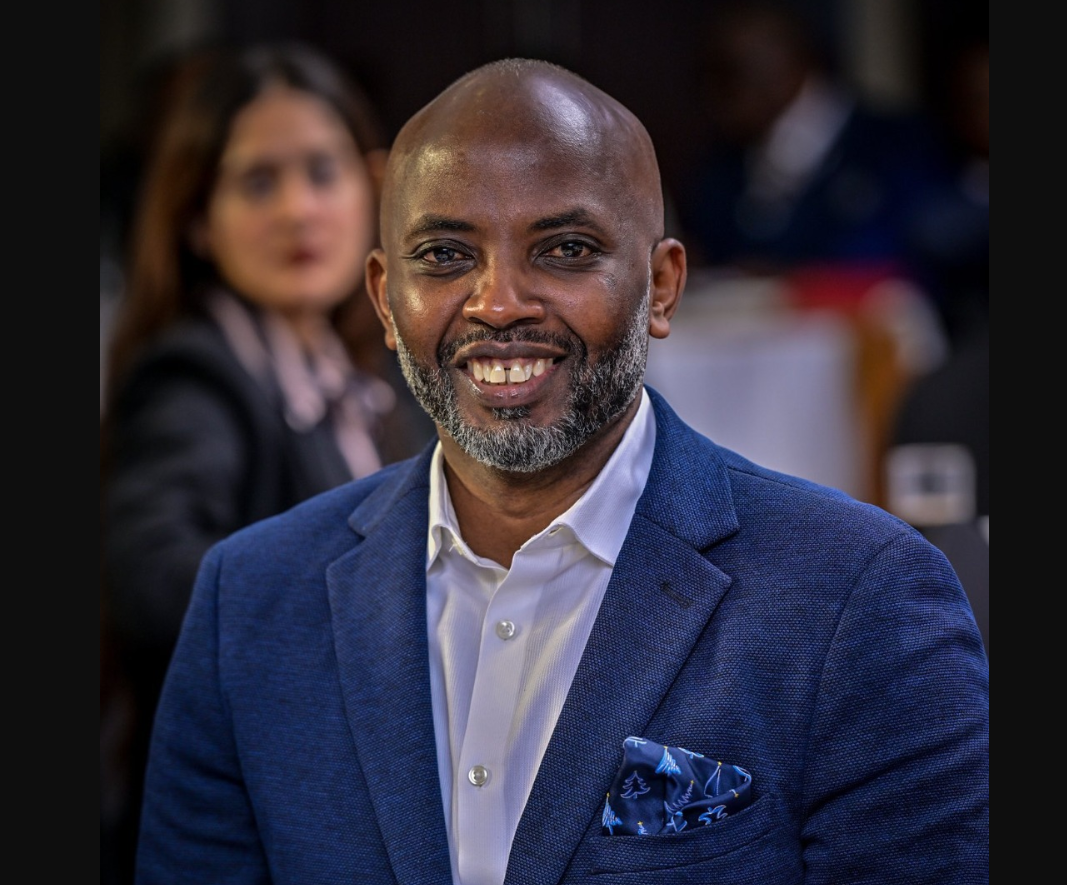
According to CampusBee, students in Ugandan universities are increasingly utilizing AI tools for various tasks such as drafting essays, summarizing lecture notes, writing job applications, and debugging code. Additionally, employees in mid-sized companies in Kampala are reportedly using AI applications like ChatGPT to enhance productivity significantly. The discussion raises questions about the government's readiness to adapt to the rapid advancements in AI technology.
CampusBee·June 18, 2026 at 9:04 AM