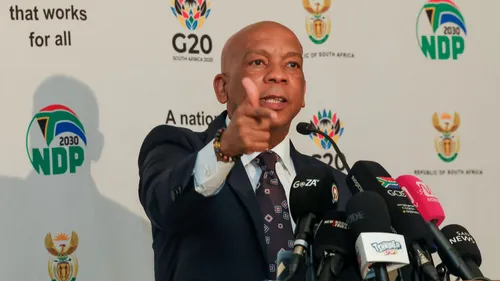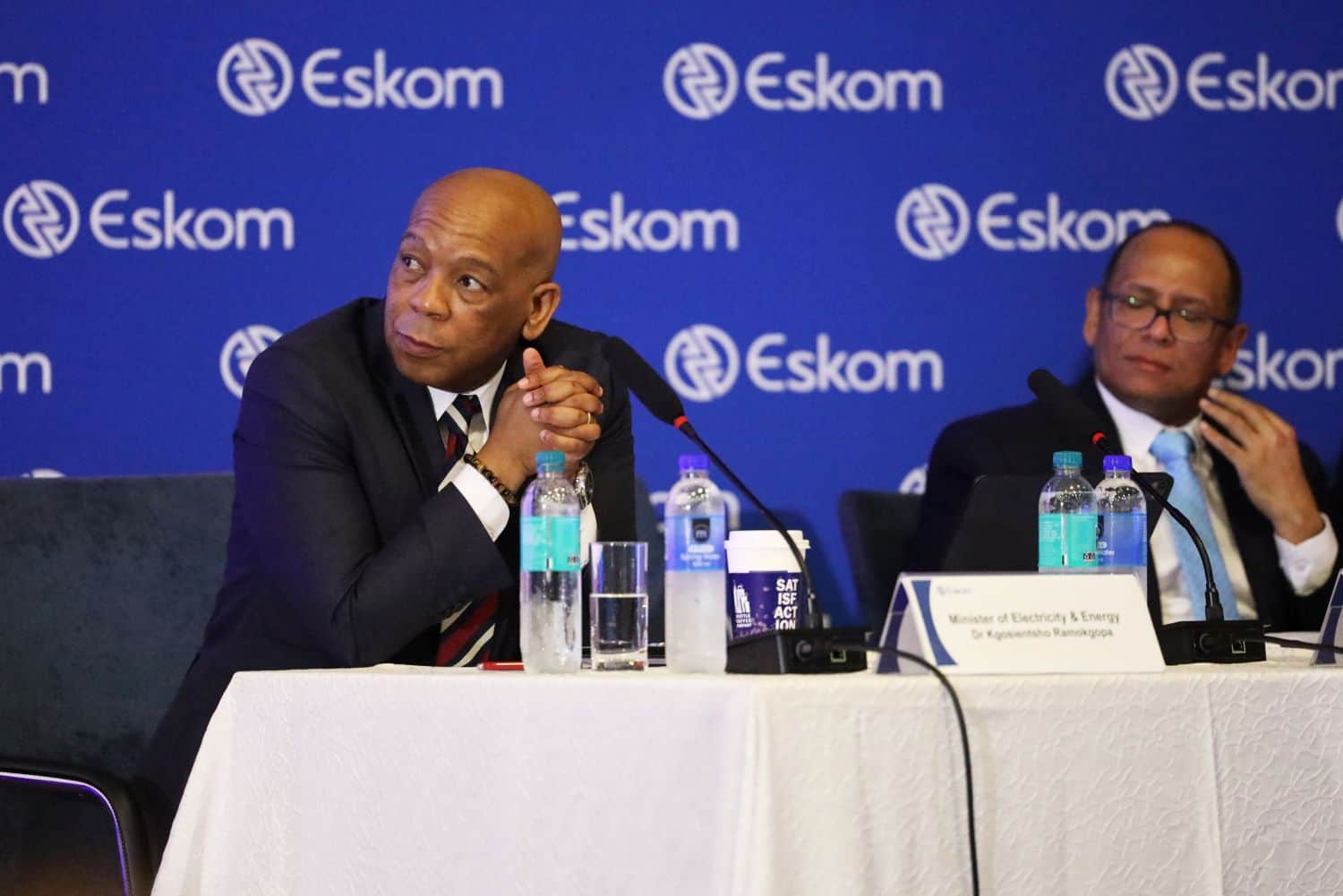
South African minister Kgosientsho Ramokgopa has said there is no guarantee that the country's energy transformation will result in lower electricity prices for consumers. According to the minister, several factors control electricity prices, meaning the shift in the energy sector cannot be relied upon alone to bring down costs. His comments, reported by The Citizen Business, temper expectations that reforms in the power sector will automatically ease the financial burden on households and businesses facing high tariffs.
AI summary. Verify with the original source.
Read full story at The Citizen Business ↗
Listen
Unlock audio summaries, audio summaries, AI chat, Wikipedia facts, and ad-free reading.
$3.99 / month · cancel anytime
Go PremiumBackground facts
Unlock wikipedia facts, audio summaries, AI chat, Wikipedia facts, and ad-free reading.
$3.99 / month · cancel anytime
Go PremiumSimilar stories
South Africa's Electricity and Energy Minister Kgosientsho Ramokgopa has conceded that his department has not conducted a targeted study measuring how rising electricity tariffs affect low-income households and small businesses. According to IOL, Ramokgopa said no specific assessment of the impact of tariff increases on poor households has been carried out, raising questions about how energy pricing decisions account for vulnerable consumers.
IOL·September 9, 2026 at 6:00 PM
South Africa's government has issued a new electricity pricing policy for the first time in 18 years, according to The Conversation Africa. The rules guide the national energy regulator, state utility Eskom and municipalities in setting prices, specifying which costs can be recovered from customers and how charges must appear on bills. The policy aims to keep prices fair and transparent while funding system maintenance and supporting poor households, though the analysis notes both strengths and shortcomings in the approach.
The Conversation Africa·September 8, 2026 at 1:41 PM
According to Moneyweb, recent electricity price hikes are significantly impacting families, pushing them further into financial difficulties. The focus has shifted from issues of load shedding to the increasing costs of electricity, which are becoming unaffordable for many households.
Moneyweb·July 5, 2026 at 2:00 AMDespite a reduction in load shedding and fewer power cuts in South Africa, electricity bills are increasing. This rise in costs is attributed to significant tariff increases approved by the National Energy Regulator, leading to confusion among consumers about why prices are climbing when the power supply is more stable.
IOL·June 25, 2026 at 3:50 AMAccording to IOL, Eskom says customers who generate or buy their own electricity may still contribute through network and fixed charges as falling sales volumes reshape its tariff strategy. The report indicates the utility is looking to recover grid-related costs even as more households and businesses adopt solar or alternative supply. Details on specific charge levels, implementation timing, and regulatory approval were not provided in the feed blurb.
IOL·September 8, 2026 at 9:17 AM
The Citizen reports that South African Electricity Minister Kgosientsho Ramokgopa claimed the exploitation of electricity consumers was over, even as state utility Eskom prepared an 8.8% tariff increase. According to the report, this comes against a backdrop of cumulative tariff hikes of around 1,300% over time and ongoing electricity theft, suggesting official messaging masks a harsher reality for consumers facing rising power costs and strain on the national grid.
The Citizen (ZA)·September 8, 2026 at 5:00 AM