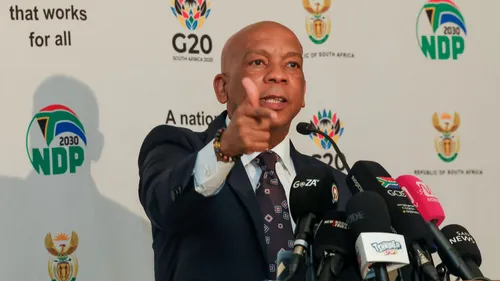
South Africa's Electricity and Energy Minister Kgosientsho Ramokgopa has conceded that his department has not conducted a targeted study measuring how rising electricity tariffs affect low-income households and small businesses. According to IOL, Ramokgopa said no specific assessment of the impact of tariff increases on poor households has been carried out, raising questions about how energy pricing decisions account for vulnerable consumers.
AI summary. Verify with the original source.
Listen
Unlock audio summaries, audio summaries, AI chat, Wikipedia facts, and ad-free reading.
$3.99 / month · cancel anytime
Go PremiumBackground facts
Unlock wikipedia facts, audio summaries, AI chat, Wikipedia facts, and ad-free reading.
$3.99 / month · cancel anytime
Go PremiumSimilar stories
The Citizen reports that South African Electricity Minister Kgosientsho Ramokgopa claimed the exploitation of electricity consumers was over, even as state utility Eskom prepared an 8.8% tariff increase. According to the report, this comes against a backdrop of cumulative tariff hikes of around 1,300% over time and ongoing electricity theft, suggesting official messaging masks a harsher reality for consumers facing rising power costs and strain on the national grid.
The Citizen (ZA)·September 8, 2026 at 5:00 AM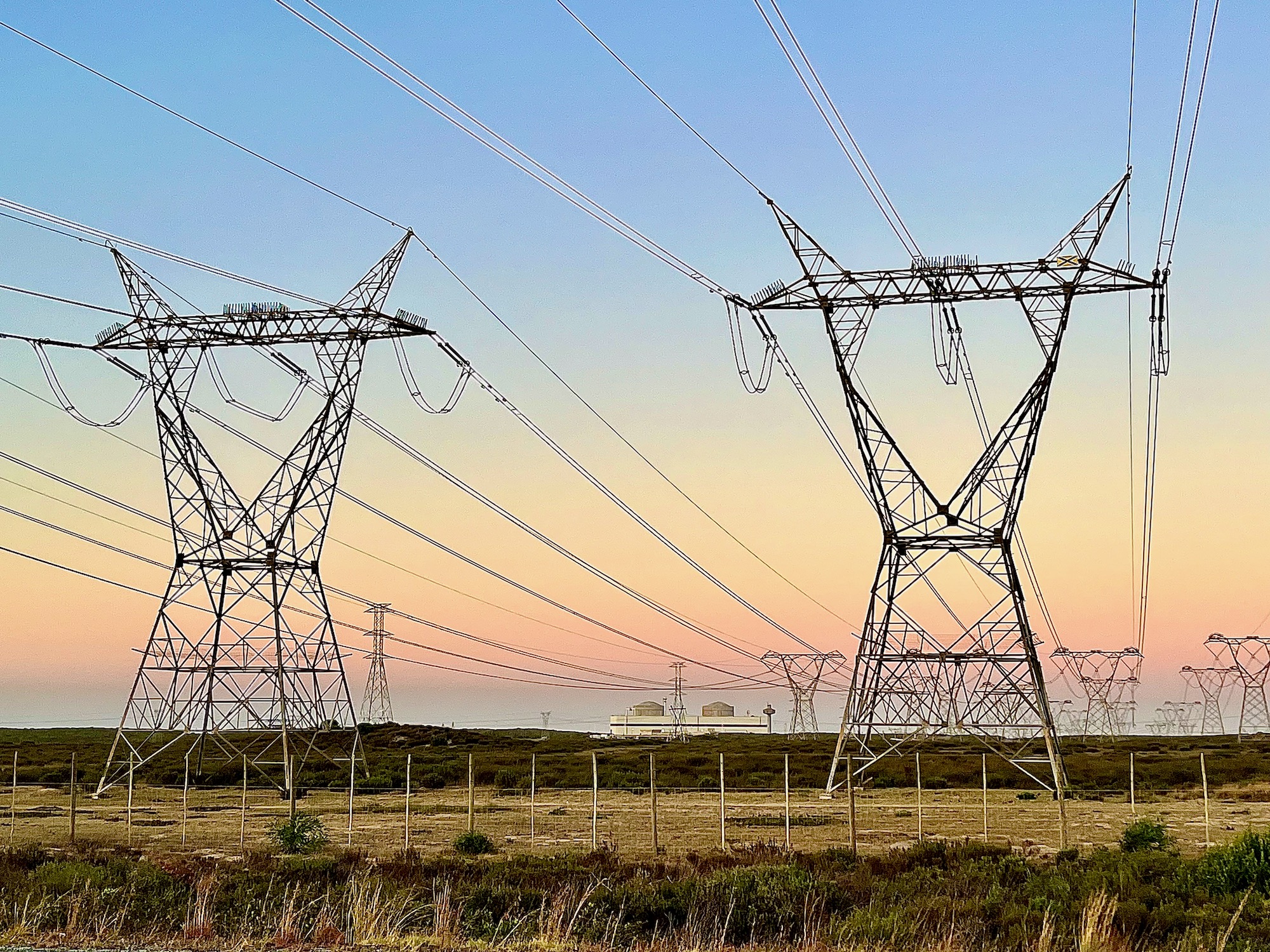
According to Moneyweb, recent electricity price hikes are significantly impacting families, pushing them further into financial difficulties. The focus has shifted from issues of load shedding to the increasing costs of electricity, which are becoming unaffordable for many households.
Moneyweb·July 5, 2026 at 2:00 AM
In South Africa, 47% of the population faces energy poverty, spending a significant portion of their income on inadequate electricity. The situation is worsening due to the growth of informal settlements, exacerbated by the Covid-19 pandemic. A study focused on the Qandu Qandu settlement examines the impact of a basic solar grant on providing cheaper electricity, raising questions about the viability of solar mini-grids as a solution for those leaving the traditional electricity network.
The Conversation Africa·June 24, 2026 at 1:51 PMSouth Africa’s latest fuel price increases are set to drive up transport and household costs across the country. According to IOL, low-income families and public-transport operators are expected to bear the greatest burden, with even wealthier households unable to fully shield themselves from the financial strain of rising fuel prices.
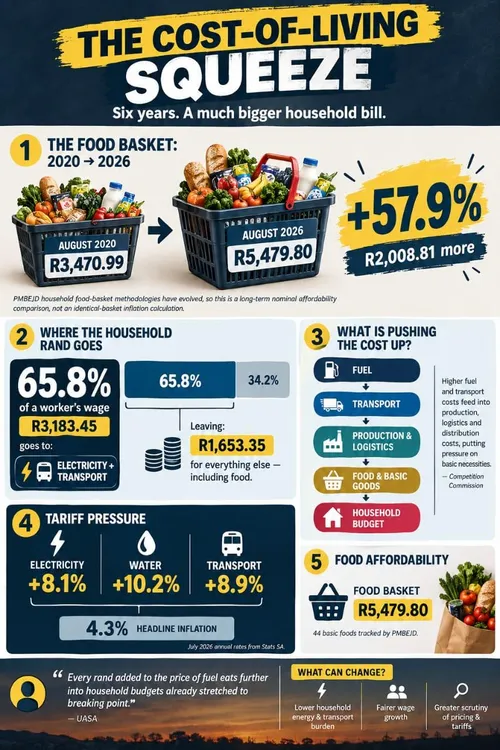
IOL·September 9, 2026 at 10:58 AMSouth African households are facing mounting financial strain as the rising costs of food, electricity and transport consume a growing share of shrinking incomes, according to IOL. The report indicates that pensioners and children are among the groups most severely affected by the squeeze. The increasing competition between essential expenses is placing sustained pressure on household budgets across the country, highlighting broader concerns about the cost of living and economic wellbeing in South Africa.
IOL·September 8, 2026 at 4:57 AM
President William Ruto has announced a preferential electricity rate of Ksh10 per kilowatt-hour for investors operating in Kenya's Special Economic Zones, in a bid to boost industrial competitiveness. He confirmed the subsidised tariff at State House, Nairobi, on September 8 during the signing of a private development agreement for the Mombasa Special Economic Zone. The measure targets energy costs to attract regional and global manufacturing investment.
Nairobi Wire·September 9, 2026 at 3:50 AM