
A new report cited by Punch warns that Nigeria's oil revenue could fall by more than 60 percent starting from 2030, driven by declining global demand for crude oil. According to the report, such a sharp drop would expose Africa's largest oil producer to significant fiscal and economic instability, given the country's heavy reliance on petroleum earnings for government revenue and foreign exchange.
AI summary. Verify with the original source.
Listen
Unlock audio summaries, audio summaries, AI chat, Wikipedia facts, and ad-free reading.
$3.99 / month · cancel anytime
Go PremiumBackground facts
Unlock wikipedia facts, audio summaries, AI chat, Wikipedia facts, and ad-free reading.
$3.99 / month · cancel anytime
Go PremiumSimilar stories
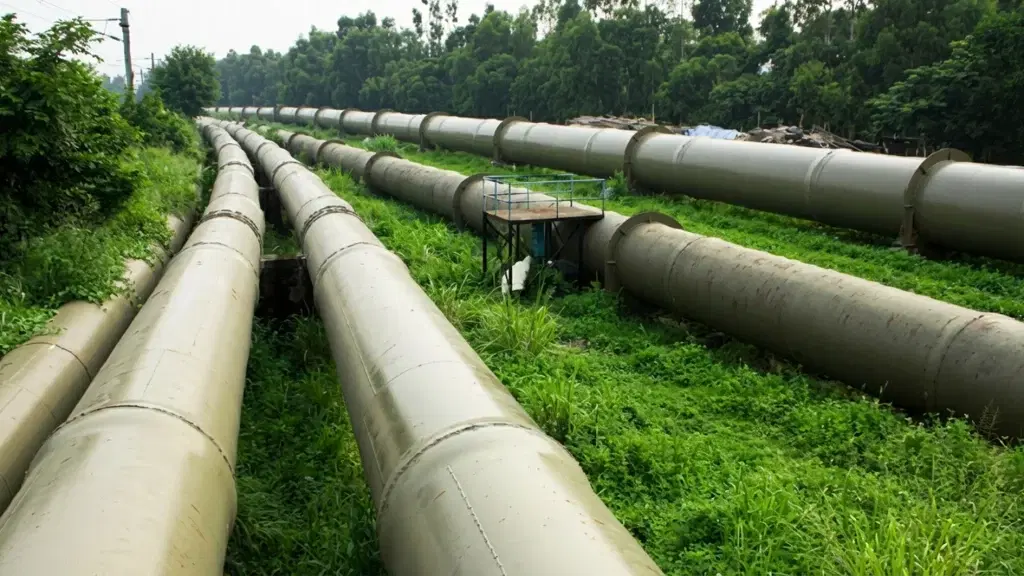
Nigeria is set for a significant oil revenue windfall as escalating hostilities between the United States and Iran push crude prices above $100 per barrel, according to Vanguard. However, the country also faces renewed pressure on domestic fuel prices, inflation and operating costs. Latest market data showed the Organisation of Petroleum Exporting Countries Basket, which includes Nigeria's crude grades, trading above the $100 mark, highlighting both the fiscal opportunities and economic risks for Africa's largest oil producer.
Vanguard (NG)·September 9, 2026 at 8:18 AM
Despite a decline in global oil prices to levels seen before the US-Iran conflict, petrol prices in Nigeria remain high, leading to rising expectations among the public for a decrease in local fuel costs, according to Naija News.
Naija News·June 25, 2026 at 4:34 AM
Global oil prices have decreased to levels not seen since before the US-Iran war, leading to expectations for lower petrol prices, according to Daily Trust. Despite this drop, fuel prices in Nigeria continue to exceed N1,000, raising concerns about the slow transmission of global market changes to local consumers and businesses.
Daily Trust·June 24, 2026 at 10:05 PM
Industry experts say Nigeria's ability to sustain the N12.91 trillion in crude oil export earnings recorded in the second quarter of 2026 depends on maintaining stability in the Niger Delta, protecting oil infrastructure and ensuring uninterrupted production. The figures come from foreign trade statistics released by the National Bureau of Statistics on Monday, according to Daily Trust.
Daily Trust·September 9, 2026 at 2:43 AM
Professor Tunji Ogunyemi of Obafemi Awolowo University, Ile-Ife, has warned that restoring Nigeria's petroleum subsidy regime could severely damage the country's public finances. According to Ripples Nigeria, the economic historian, lawyer and public affairs analyst argued that a return to fuel subsidy payments could lead to the possible financial collapse of more than 15 states in Nigeria's northern region, urging against reversing the subsidy removal policy.
Ripples Nigeria·September 5, 2026 at 5:44 PM
The World Bank has identified Nigeria's primary fiscal challenge as weak revenue mobilisation rather than high levels of debt. Mathew Verghis, the World Bank Country Director for Nigeria, emphasized the need for the government to focus on enhancing revenue generation to foster sustainable economic growth during an interview on Channels Television.
Vanguard Business·July 4, 2026 at 6:54 PM