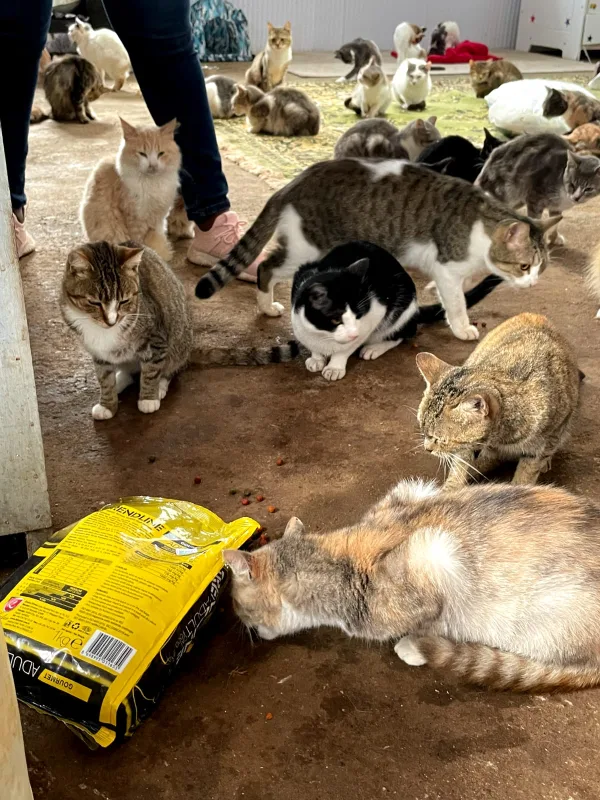
Kenya is facing a rising population of stray dogs and cats, prompting a shift from solely rescue efforts to a focus on community responsibility. Animal welfare organizations have raised concerns about the strain on shelters and rescue systems, highlighting the need for broader community engagement in addressing the issue.
AI summary. Verify with the original source.
Read full story at Capital FM Lifestyle ↗
Listen
Unlock audio summaries, audio summaries, AI chat, Wikipedia facts, and ad-free reading.
$3.99 / month · cancel anytime
Go PremiumBackground facts
Unlock wikipedia facts, audio summaries, AI chat, Wikipedia facts, and ad-free reading.
$3.99 / month · cancel anytime
Go PremiumSimilar stories

A Kenyan woman has gained attention in the U.S. after a video surfaced showing her living in a doghouse on a street corner in Portland, Oregon. The footage, which has circulated widely on social media, underscores the difficult circumstances faced by some homeless individuals in the city. The woman's identity has not been disclosed.
The Kenya Times·July 5, 2026 at 9:15 AM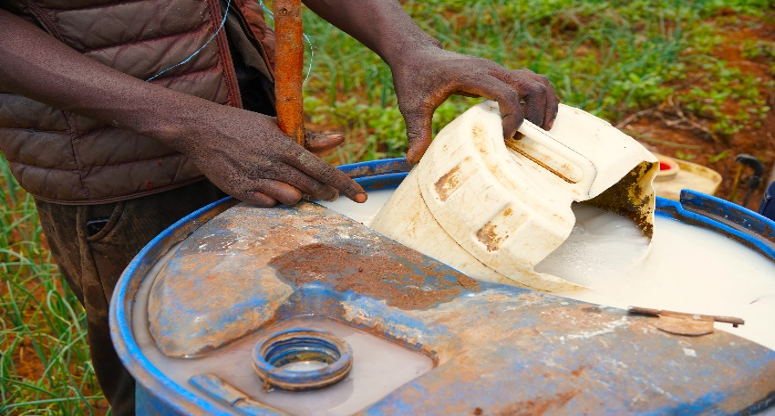
Kenya is facing challenges in ensuring access to affordable, nutritious, and safe food for its growing population. As pesticide use increases, there are rising concerns regarding public health and food security. Experts emphasize that long-term food security relies not only on agricultural production but also on food safety, healthy ecosystems, and resilient agricultural systems, according to KBC.
KBC·July 4, 2026 at 10:16 PM
In Kenya, nearly a third of the country's agricultural land is now controlled by individuals living in urban areas, a trend that has developed over the past two decades. This phenomenon is also observed in other African nations such as Ghana, Malawi, Tanzania, and Zambia. Urban residents are increasingly investing in rural farmlands, motivated by rising food prices, liberalized agricultural markets, and the growing demand for food in urbanizing regions, according to The Conversation Africa.
The Conversation Africa·June 29, 2026 at 2:22 PM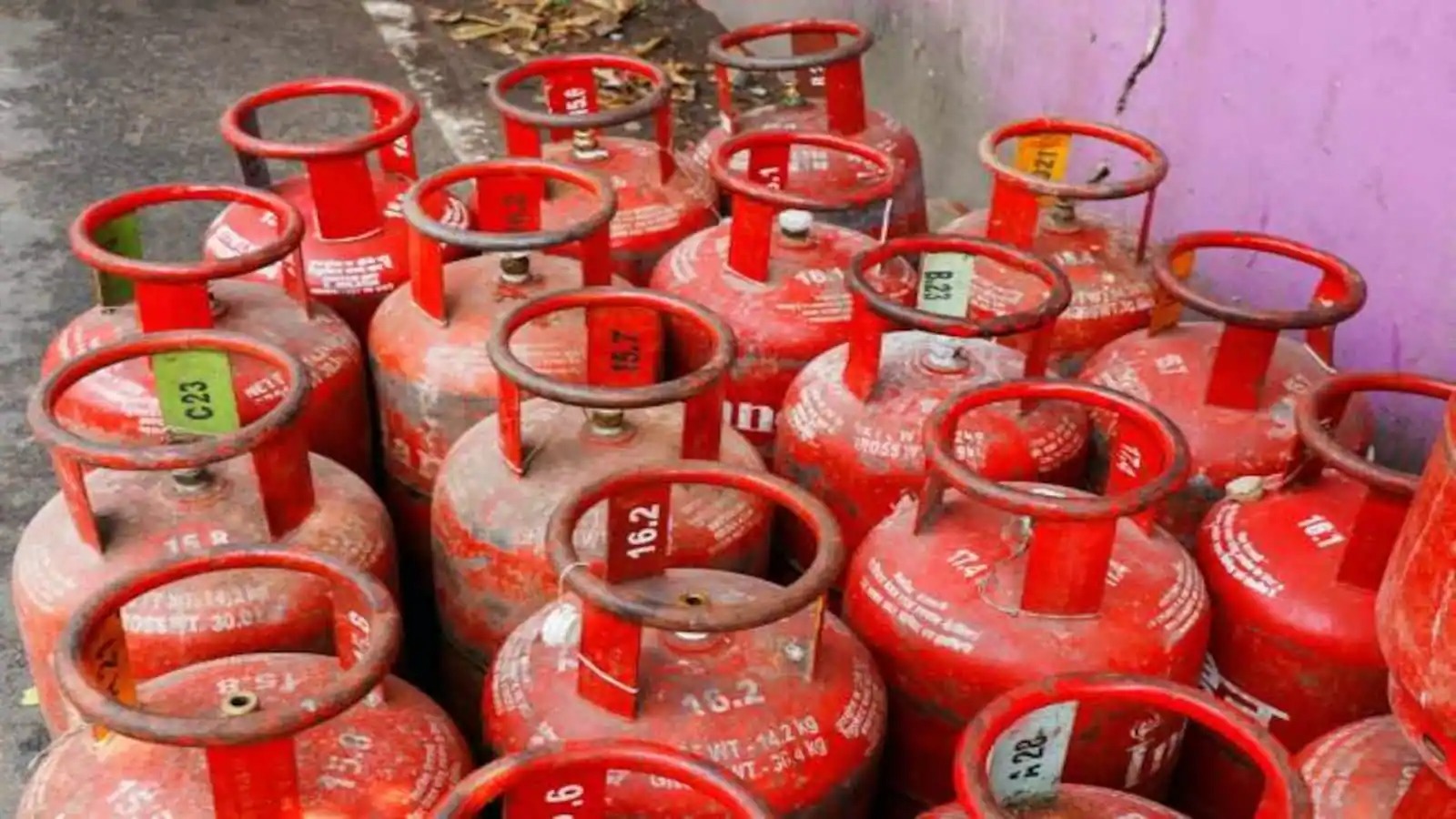
Kenya is undergoing a significant change in household energy consumption, with a marked decline in kerosene use and a rise in Liquified Petroleum Gas (LPG) adoption. This shift is driven by health concerns and environmental considerations, according to a report by John Mutus in the Business Daily. The transformation is noteworthy for business professionals, policymakers, and consumers alike.
Sharp Daily·July 2, 2026 at 3:52 PM
A report from Soko Directory highlights that Kenyan families often prioritize immediate medical treatment over purchasing health insurance, leading to significant expenditures on healthcare. The article suggests that in medical emergencies, the first response is typically a phone call rather than considering financial investments. This behavior reflects a broader hesitation among Kenyans to invest in insurance despite the high costs associated with medical treatment.
Soko Directory·June 25, 2026 at 6:34 AM
In March 2026, clinics in Kenya experienced a sudden disruption in donor funding, leading to stalled supply chains and unanswered questions from programme coordinators. This incident highlighted the reliance of the country's public health infrastructure on external financial support, raising concerns about the implications of the Kenya-US health data deal, according to TechTrends KE.
TechTrends KE·June 23, 2026 at 7:31 AM