
Kenyan equities extended their strong 2026 performance through August, buoyed by a robust first-half earnings season that lifted large-cap stocks on the Nairobi Securities Exchange, according to Soko Directory. At the same time, inflation ticked up to 6.6 percent, adding a note of caution to the market rally as investors weighed corporate gains against rising price pressures in the economy.
AI summary. Verify with the original source.
Read full story at Soko Directory ↗
Listen
Unlock audio summaries, audio summaries, AI chat, Wikipedia facts, and ad-free reading.
$3.99 / month · cancel anytime
Go PremiumBackground facts
Unlock wikipedia facts, audio summaries, AI chat, Wikipedia facts, and ad-free reading.
$3.99 / month · cancel anytime
Go PremiumSimilar stories
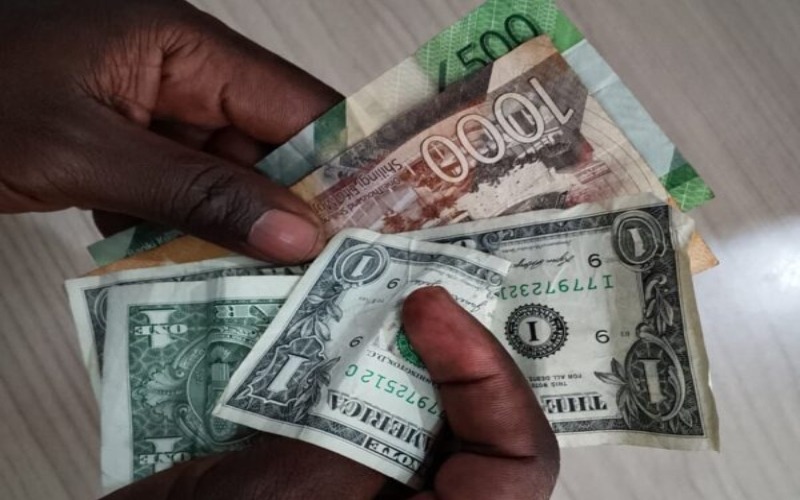
Kenya's financial markets in the first half of 2026 have shown resilience, providing investment opportunities in equities, fixed income, and currency segments despite global challenges. The Kenyan shilling has remained stable against the dollar, contrasting with the volatility experienced two years prior, with analysts attributing this stability to disciplined fiscal management, according to Sharp Daily.
Sharp Daily·July 3, 2026 at 12:16 PM
The annual inflation rate in Kenya decreased to 6.4% in June 2026, down from 6.7% in May, marking the first slowdown since February 2026. This decline was attributed to lower price increases in transportation and food, with transportation rising by 16.1% compared to 16.5% in the previous month, and food prices increasing by 8.6% versus 9.4%.
Business Today (KE)·July 2, 2026 at 6:17 PM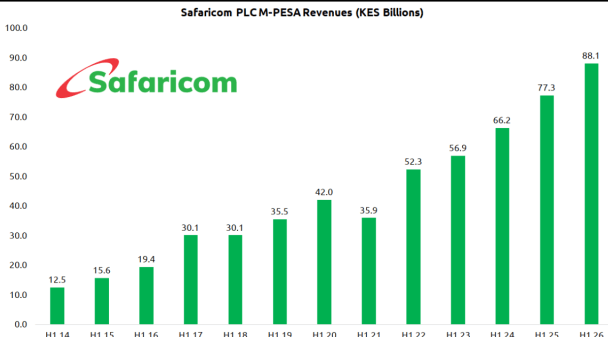
Safaricom PLC reported a strong financial performance for the fiscal year ending March 2026, highlighting its status as a leading company on the Nairobi Securities Exchange. The Group achieved higher revenue, improved profitability, and stronger returns for shareholders, driven by growth in Kenya's mobile data and M-Pesa services, along with positive developments in other areas.
Sharp Daily·July 5, 2026 at 11:37 AM
Kenya's inflation rate has decreased to 6.4%, indicating a moderation in price pressures after several months of high inflation. This change is expected to provide some relief to households, businesses, and investors, although the cost of living remains elevated. The latest economic indicators suggest a gradual stabilization of inflation, which could impact consumer spending, business planning, borrowing costs, and investment decisions, according to Sharp Daily.
Sharp Daily·July 3, 2026 at 2:17 PM
The Nigerian equities market extended its bullish run on Monday, September 8, 2026, with market capitalisation on the NGX once again crossing the N160 trillion threshold, according to Nairametrics. The milestone marks the first time the market has reclaimed that level since August 10, when it initially crossed N160 trillion before a sharp two-week correction pulled valuations back. The report indicates the market is now moving to retest its August 10 highs.
Nairametrics·September 7, 2026 at 7:39 PM
Moneyweb interviewed Makwe Masilela of Makwe Fund Managers about markets struggling to find direction at the end of the US earnings season. The discussion covered JSE performance, commodities and resources, China’s weaker-than-expected GDP, the US debt ceiling, share buybacks and Brent crude rising above $90 a barrel amid heightened Gulf tensions, according to the Moneyweb item.
Moneyweb·September 7, 2026 at 5:40 PM