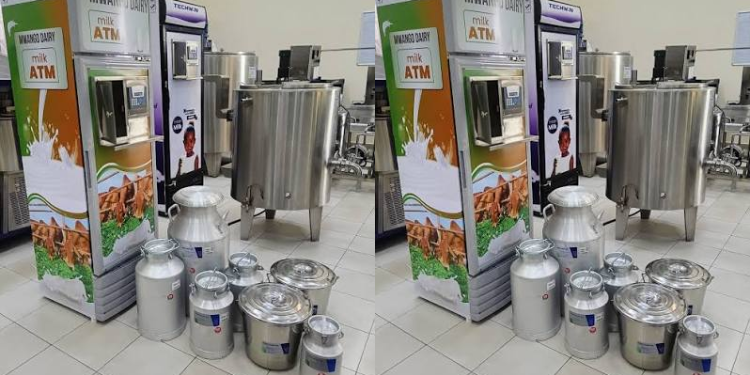
Kenyan consumers and retailers are facing higher milk prices and reduced availability amid temporary supply constraints. According to The Kenya Times, some supermarkets in Nairobi and other areas have reported lower stocks and fewer brands, while prices for certain 500-millilitre packets have increased. The report also compares potential per-litre earnings from milk ATM sales and packet milk, considering sourcing costs from farmers and processors.
AI summary. Verify with the original source.
Read full story at The Kenya Times ↗
Listen
Unlock audio summaries, audio summaries, AI chat, Wikipedia facts, and ad-free reading.
$3.99 / month · cancel anytime
Go PremiumBackground facts
Unlock wikipedia facts, audio summaries, AI chat, Wikipedia facts, and ad-free reading.
$3.99 / month · cancel anytime
Go PremiumSimilar stories

Soko Directory reports that tomato prices have risen across Kenyan markets this month as supplies tighten, leaving consumers paying more for the staple. According to the outlet, the increase is linked to bad weather affecting availability, though the provided excerpt does not include specific price figures, affected counties, or projections for when supply might recover.
Soko Directory·September 4, 2026 at 11:43 AM
The Kenyan government has announced a package of measures to address a milk supply shortage that has reduced the availability of several processed milk brands on retail shelves. Livestock Development Principal Secretary Jonathan Mueke said inadequate rainfall in key agricultural zones had limited fodder supplies, creating the main bottleneck in raw milk production. Speaking at a press conference, Mueke said the state is working with dairy value chain stakeholders to support producers directly and stabilise supply lines.
Nairobi Wire·September 4, 2026 at 3:45 AM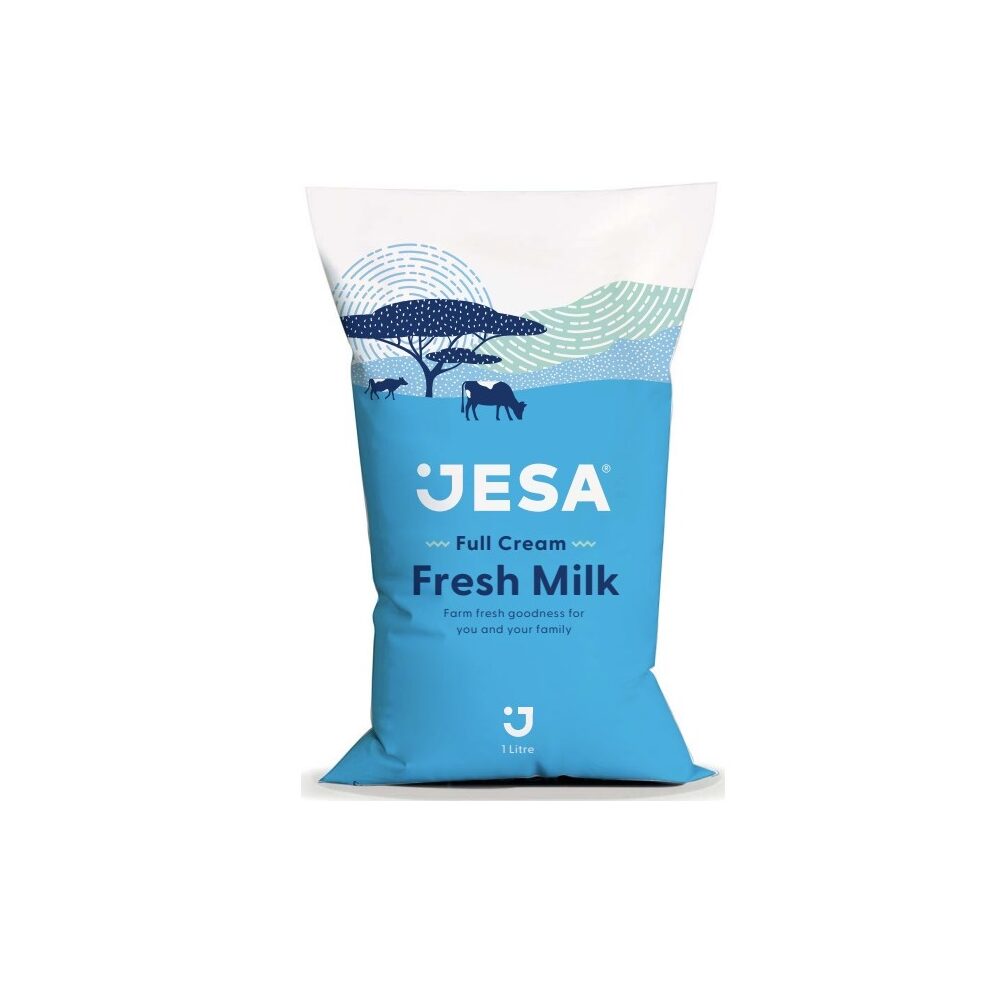
Kenya is importing milk from neighbouring countries, including Uganda, as prolonged dry conditions and falling local production strain the country's dairy sector. Kenya's Cabinet Secretary for Investments, Trade and Industry, Lee Kinyanjui, confirmed on September 5 that the country is sourcing milk from Uganda to help meet domestic demand, according to SoftPower News. The move highlights supply pressures facing Kenya's dairy industry as authorities seek to bridge the shortfall.
SoftPower News·September 8, 2026 at 5:49 AM
Online marketplace Jiji Kenya reports that buying a car in Kenya has become significantly more expensive over the past two years, according to data from the platform covering the Kenyan vehicle market. The findings, reported by KachTech Media, indicate a notable upward trend in vehicle prices for buyers in the country. Jiji Kenya, which operates as an online classifieds marketplace, based its conclusions on pricing data gathered from listings on its platform. Further details on the specific price increases were not provided in the report.
Kachwanya·August 4, 2026 at 7:08 PM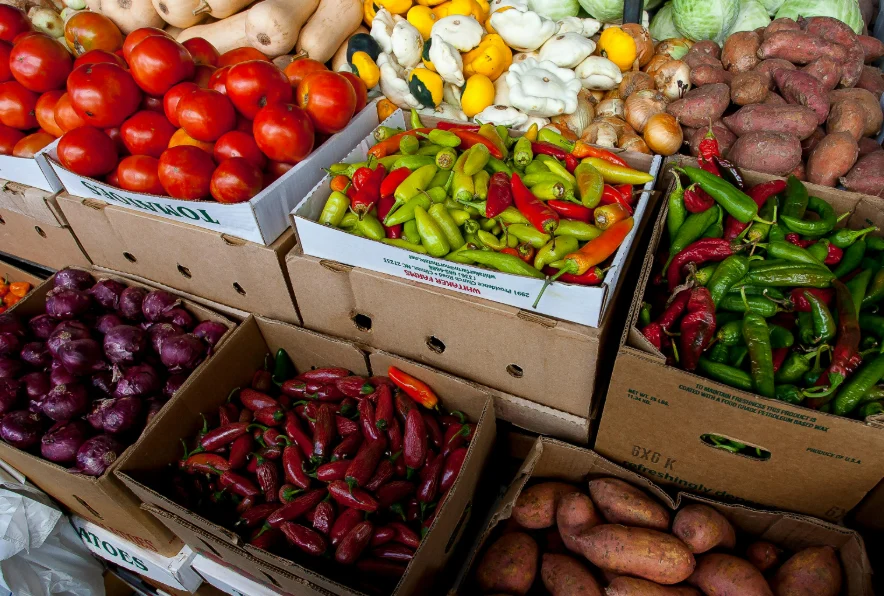
The annual inflation rate in Kenya decreased to 6.4% in June 2026, down from 6.7% in May, marking the first slowdown since February 2026. This decline was attributed to lower price increases in transportation and food, with transportation rising by 16.1% compared to 16.5% in the previous month, and food prices increasing by 8.6% versus 9.4%.
Business Today (KE)·July 2, 2026 at 6:17 PM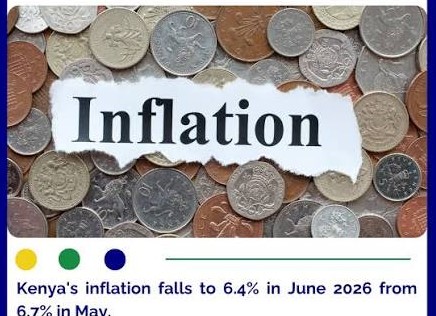
Kenya's inflation rate has decreased to 6.4%, indicating a moderation in price pressures after several months of high inflation. This change is expected to provide some relief to households, businesses, and investors, although the cost of living remains elevated. The latest economic indicators suggest a gradual stabilization of inflation, which could impact consumer spending, business planning, borrowing costs, and investment decisions, according to Sharp Daily.
Sharp Daily·July 3, 2026 at 2:17 PM