
Economists writing in The Conversation Africa have responded to the Global Justice Report, authored by experts at the World Inequality Lab led by Thomas Piketty and Lucas Chancel and released in June 2026. The report argues that rising inequality is a political and policy choice, and proposes measures such as a Global Justice Fund financed through wealth taxes. While praising its ambition to link redistribution, climate action and global democracy, the authors say it overlooks the realities facing the world's two billion informal workers.
AI summary. Verify with the original source.
Read full story at The Conversation Africa ↗
Listen
Unlock audio summaries, audio summaries, AI chat, Wikipedia facts, and ad-free reading.
$3.99 / month · cancel anytime
Go PremiumBackground facts
Unlock wikipedia facts, audio summaries, AI chat, Wikipedia facts, and ad-free reading.
$3.99 / month · cancel anytime
Go PremiumSimilar stories
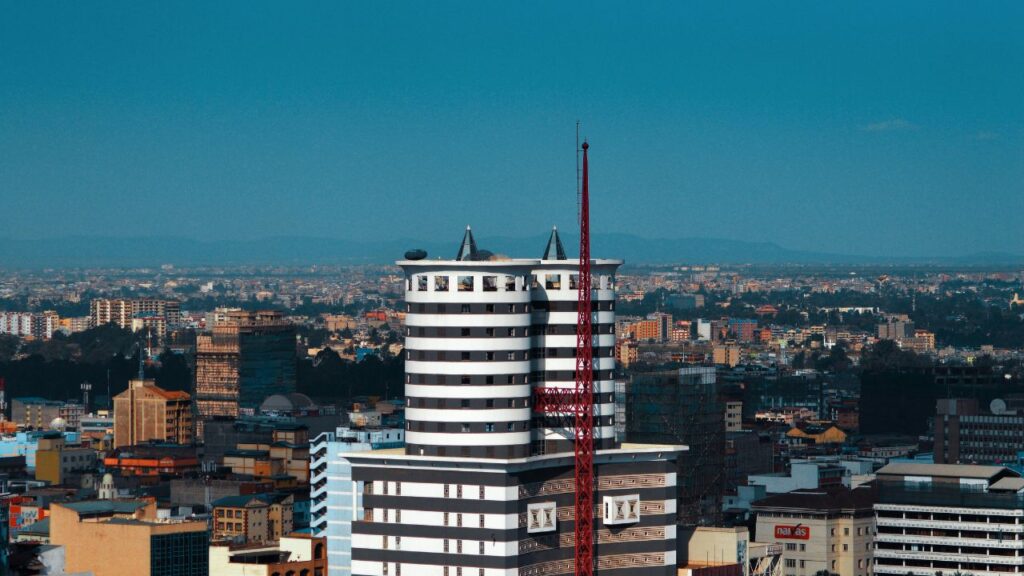
The article from The Elephant discusses how recent floods in Nairobi highlight issues of inequality and overcrowding in urban areas, while also presenting an opportunity for African cities to rethink and redesign their infrastructure. It emphasizes the challenges faced by capital cities in the context of climate change and urban planning.
The Elephant·June 19, 2026 at 8:00 AM
Women and girls play a crucial role in global food systems but face significant barriers such as unequal access to land, finance, education, and leadership opportunities. The Food and Agriculture Organization (FAO) emphasizes that addressing gender inequality is essential for achieving food security worldwide.
Daily News (TZ)·July 4, 2026 at 1:00 PM
A global report released by the WHO and partners indicates that over 655 million people worldwide lack access to electricity, while nearly two billion depend on polluting fuels for cooking. This situation poses significant health risks and exacerbates existing inequalities, highlighting a potential global energy and health crisis.
Vanguard (NG)·June 24, 2026 at 11:02 PM
According to Tanzania Times, global extreme poverty has significantly decreased since 1950, but the rate of progress has slowed to its lowest in decades. Over half of the world's impoverished population resides in countries experiencing rising poverty levels, often attributed to conflict and weak governance. This situation poses a risk of reversing years of advancements in poverty reduction, potentially leading to an increase in global poverty by 2050.
Tanzania Times·June 22, 2026 at 3:49 PM
A new World Bank assessment indicates that artificial intelligence (AI) has the potential to reshape the global economy and enhance growth, particularly as global markets face challenges such as geopolitical tensions, declining productivity, and a fragile recovery from the pandemic. The report highlights the transformative impact of AI amidst these ongoing economic issues.
Business Times (UG)·June 23, 2026 at 12:31 PM
Kenyan businessman and 2027 presidential hopeful Jimi Wanjigi has pledged that eradicating poverty will be his central goal if elected head of state, arguing that economic hardship is the root cause of the country's persistent challenges. Speaking on the Thee Alfa House YouTube channel, the Safina Party leader framed his bid around structural economic reform and criticised official policies for failing to deliver direct financial relief to ordinary households, while acknowledging gains in healthcare and education since independence.
Nairobi Wire Politics·September 4, 2026 at 3:42 AM