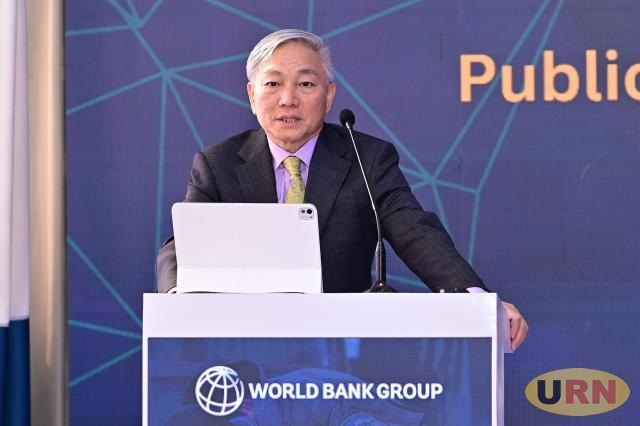
The World Bank has identified several challenges facing Uganda's construction sector, including weak regulation, insufficient political commitment, a lack of skilled labor, and bureaucratic procurement processes. These issues are hindering the sector's potential to create jobs and stimulate economic growth, despite its contribution of 12 to 17 percent to the country's Gross Domestic Product (GDP).
AI summary. Verify with the original source.
Read full story at The Independent (UG) ↗
Listen
Unlock audio summaries, audio summaries, AI chat, Wikipedia facts, and ad-free reading.
$3.99 / month · cancel anytime
Go PremiumBackground facts
Unlock wikipedia facts, audio summaries, AI chat, Wikipedia facts, and ad-free reading.
$3.99 / month · cancel anytime
Go PremiumCovered by 2 sources
- Upland Media (UG), Lubangakene Cyrus
- The Independent (UG), The Independent
Similar stories

The Private Sector Budget Review Dialogue has raised concerns about policy bottlenecks affecting Uganda's economic growth. Industry leaders argue that high operating costs and regulatory challenges hinder competitiveness, which is crucial for achieving the country's ambitious growth targets. They emphasize that enhancing business conditions may be as vital as increasing revenue mobilization to support Uganda's tenfold growth agenda.
NTV Uganda·June 24, 2026 at 7:21 PM
The Ugandan government is focusing on assembling a capable team to implement its development agenda under the theme "Kisanja No More Sleep." Infrastructure and environmental protection are highlighted as key priorities, with an emphasis on improving service delivery. Engineer David Luyimbazi has been suggested for a prominent position in the Ministry of Works as the government seeks proven technocrats to support these initiatives.
Uganda Standard·July 3, 2026 at 1:09 PMUganda's manufacturers are facing challenges such as high production costs, limited access to long-term capital, reliance on imported inputs, and fragmented supply chains. To address these issues, they are advocating for enhanced collaboration across supply chains, innovative financing solutions, and increased investment in value addition, according to The Independent.
The Independent (UG)·June 23, 2026 at 7:00 AM
Douglas Lwanga has criticized the Ugandan education system, stating that it fails to provide financial stability for young people. He argues that the lengthy duration of education and the absence of practical skills necessary for employment contribute to this issue, prompting a call for reforms in the education sector.
Mbu (UG)·July 3, 2026 at 6:01 PM
In April, Uganda's private sector showed increased activity, with the headline purchasing managers' index rising to 55, its highest in five months, according to the Bank of Uganda's business tendency survey. Financial services experienced their strongest growth ever, indicating strong confidence in the sector, despite ongoing fuel-driven cost pressures. However, the survey also suggested that the underlying momentum may be losing some of its earlier strength.
Uganda Business News·May 6, 2026 at 8:39 AM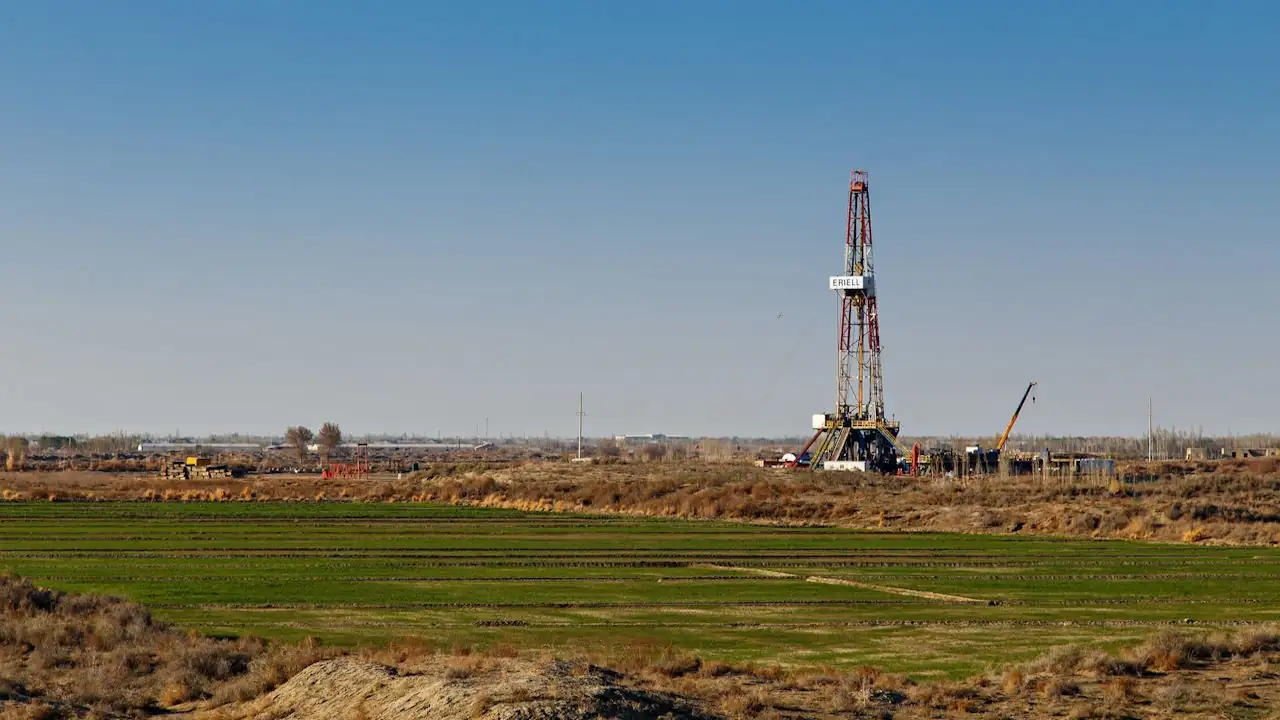
According to the IMF's latest Regional Economic Outlook, Uganda is projected to be one of the fastest-growing economies globally over the next two years, despite a challenging environment for sub-Saharan Africa due to external shocks. The report highlights that while the region faces higher energy costs and tighter financial conditions, Uganda's growth is expected to accelerate significantly, driven by its oil sector.
Uganda Business News·April 16, 2026 at 1:46 PM