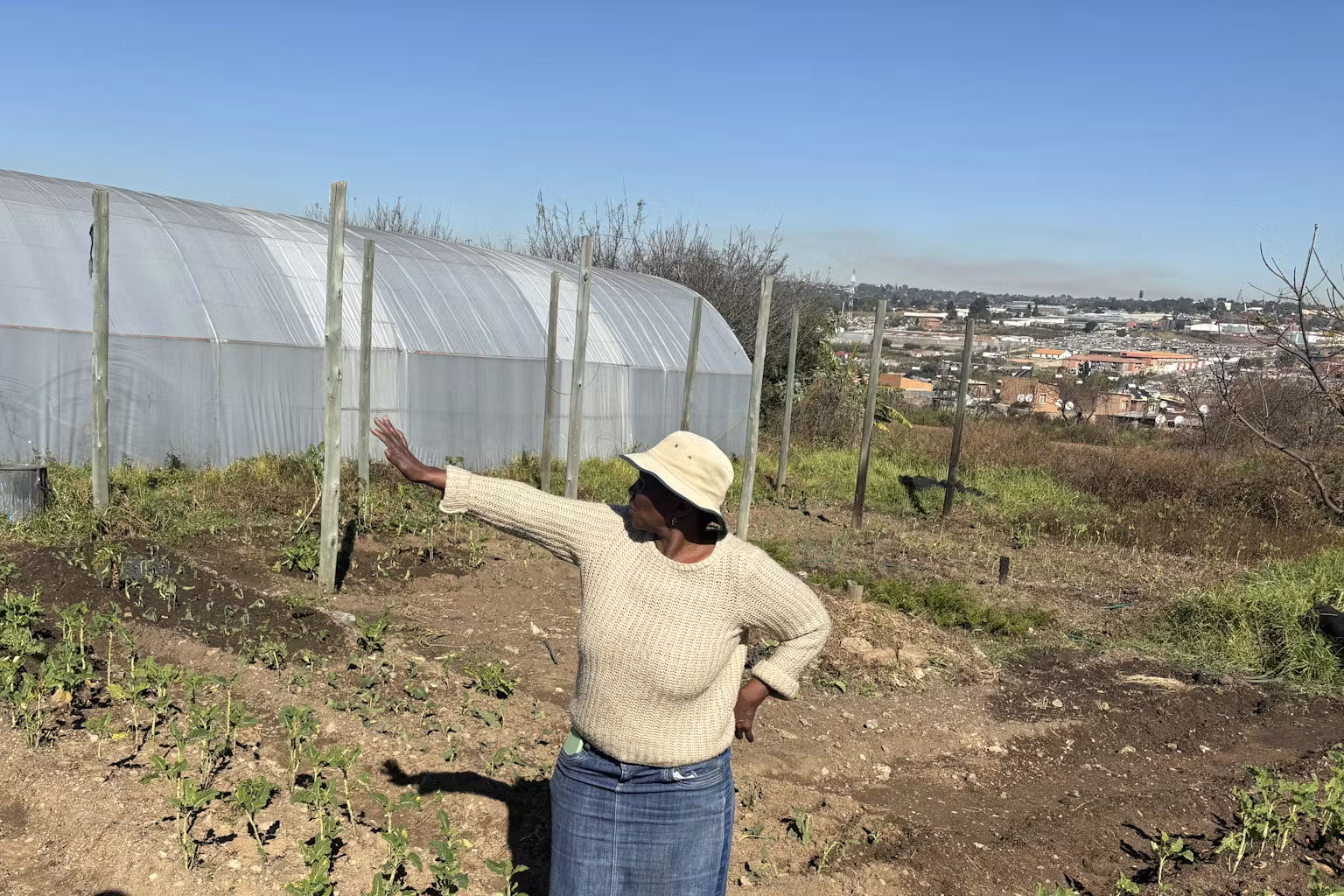
Urban farming initiatives in Johannesburg are aiding the city's poorest households in their struggle for survival, according to Moneyweb. However, these programs require larger investments to expand their impact and effectiveness.
AI summary. Verify with the original source.
Listen
Unlock audio summaries, audio summaries, AI chat, Wikipedia facts, and ad-free reading.
$3.99 / month · cancel anytime
Go PremiumBackground facts
Unlock wikipedia facts, audio summaries, AI chat, Wikipedia facts, and ad-free reading.
$3.99 / month · cancel anytime
Go PremiumSimilar stories

Urban agriculture in Johannesburg is gaining recognition as a means to combat food insecurity and enhance urban greening in response to climate change. This practice includes various methods such as vertical farming, green roofs, and community gardens. However, there is a call for increased investment to support these initiatives, according to The Conversation Africa.
The Conversation Africa·June 30, 2026 at 1:52 PM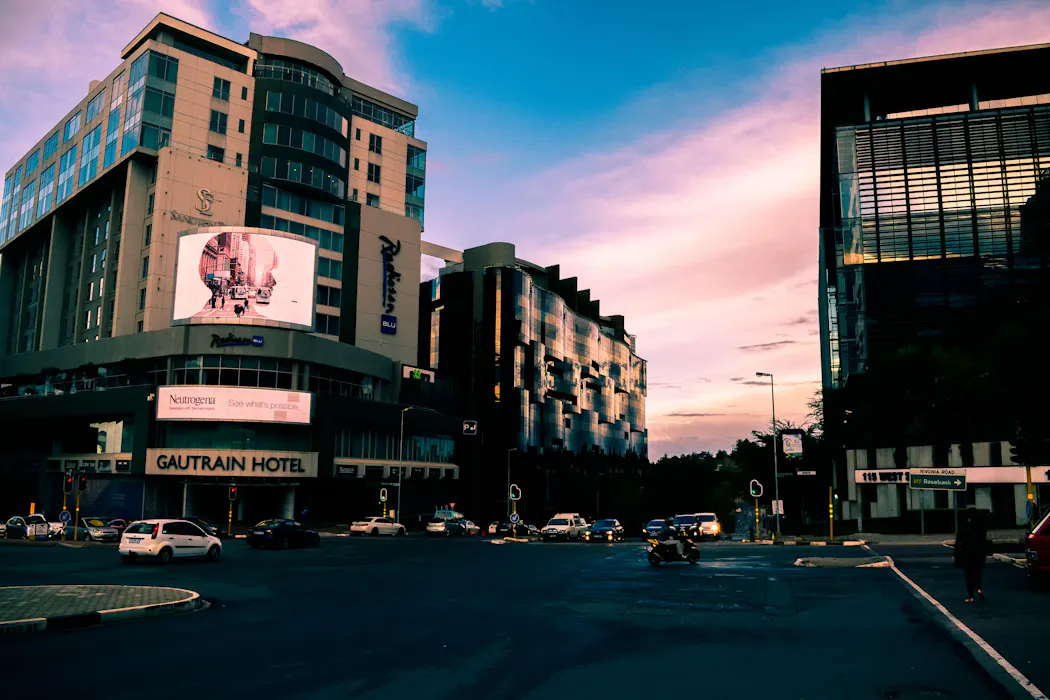
Johannesburg has taken out a significant loan to address its electricity issues, as the city's power infrastructure and billing systems require urgent improvements. A survey indicated that only 38% of residents were satisfied with their electricity services in 2023/2024, a sharp decline from 77% in 2017/18. The auditor general reported that the city allocated only 1% of its operating budget for maintenance in 2024/25, well below the recommended 8%.
The Conversation Africa·June 23, 2026 at 11:26 AM
The Auditor-General has reported that the financial situation in Johannesburg requires immediate attention, noting a general regression in audit outcomes among metropolitan areas.
SABC Business·June 24, 2026 at 3:02 PM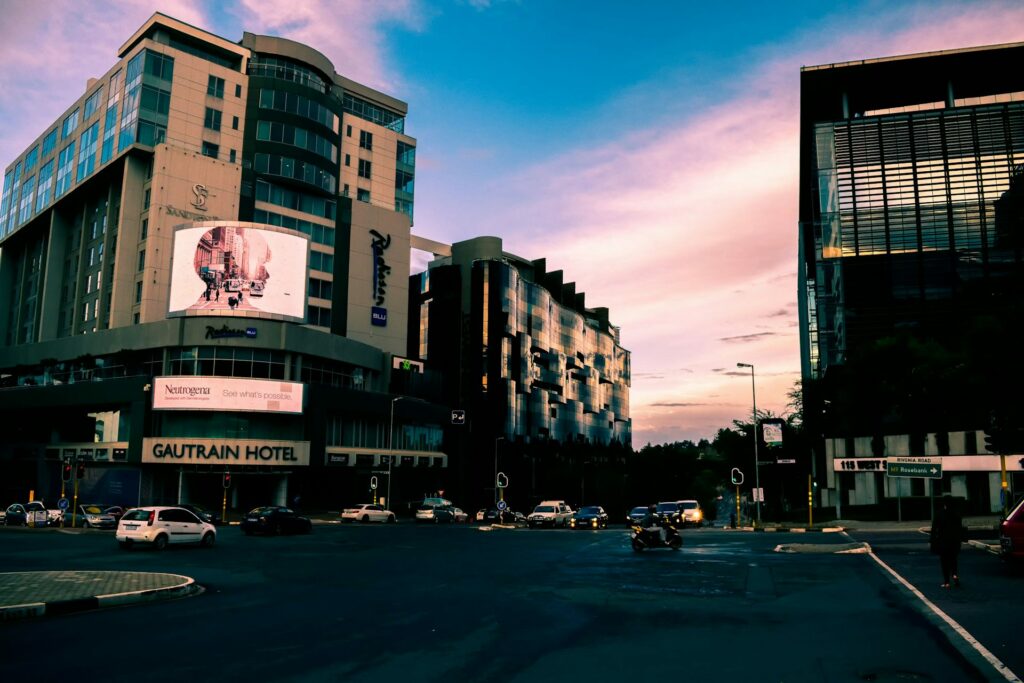
The City of Johannesburg has secured a loan of R3.8 billion aimed at addressing its electricity issues. The funds will be used to tackle the backlog in maintenance and major capital works, which is expected to take time to resolve.
Moneyweb·June 25, 2026 at 2:06 AM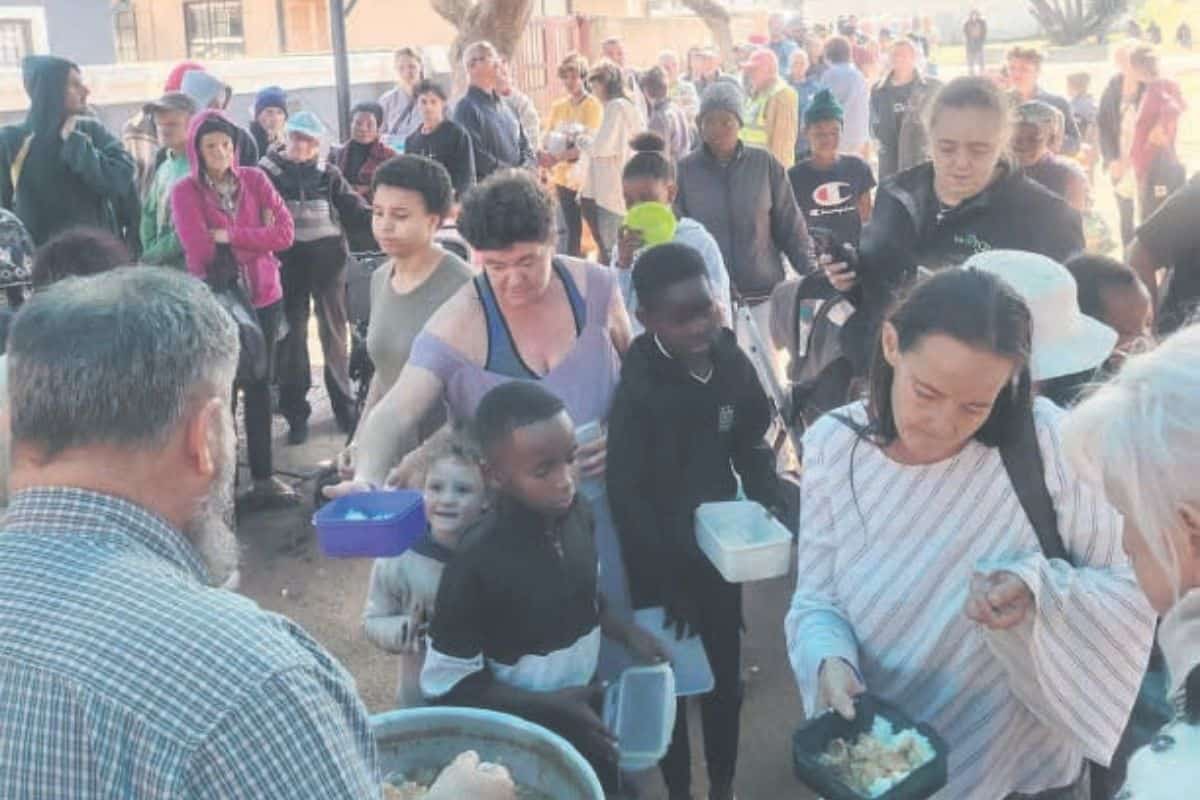
Geseënde Hande is providing daily meals to 500 to 600 individuals in Danville, Pretoria, using 15kg of rice per meal. The organization is responding to increased hunger and the need for blankets as winter intensifies the challenges faced by the most vulnerable populations in the area.
The Citizen (ZA)·June 25, 2026 at 4:40 AM
In South Africa, 47% of the population faces energy poverty, spending a significant portion of their income on inadequate electricity. The situation is worsening due to the growth of informal settlements, exacerbated by the Covid-19 pandemic. A study focused on the Qandu Qandu settlement examines the impact of a basic solar grant on providing cheaper electricity, raising questions about the viability of solar mini-grids as a solution for those leaving the traditional electricity network.
The Conversation Africa·June 24, 2026 at 1:51 PM