
Urban agriculture in Johannesburg is gaining recognition as a means to combat food insecurity and enhance urban greening in response to climate change. This practice includes various methods such as vertical farming, green roofs, and community gardens. However, there is a call for increased investment to support these initiatives, according to The Conversation Africa.
AI summary. Verify with the original source.
Read full story at The Conversation Africa ↗
Listen
Unlock audio summaries, audio summaries, AI chat, Wikipedia facts, and ad-free reading.
$3.99 / month · cancel anytime
Go PremiumBackground facts
Unlock wikipedia facts, audio summaries, AI chat, Wikipedia facts, and ad-free reading.
$3.99 / month · cancel anytime
Go PremiumSimilar stories
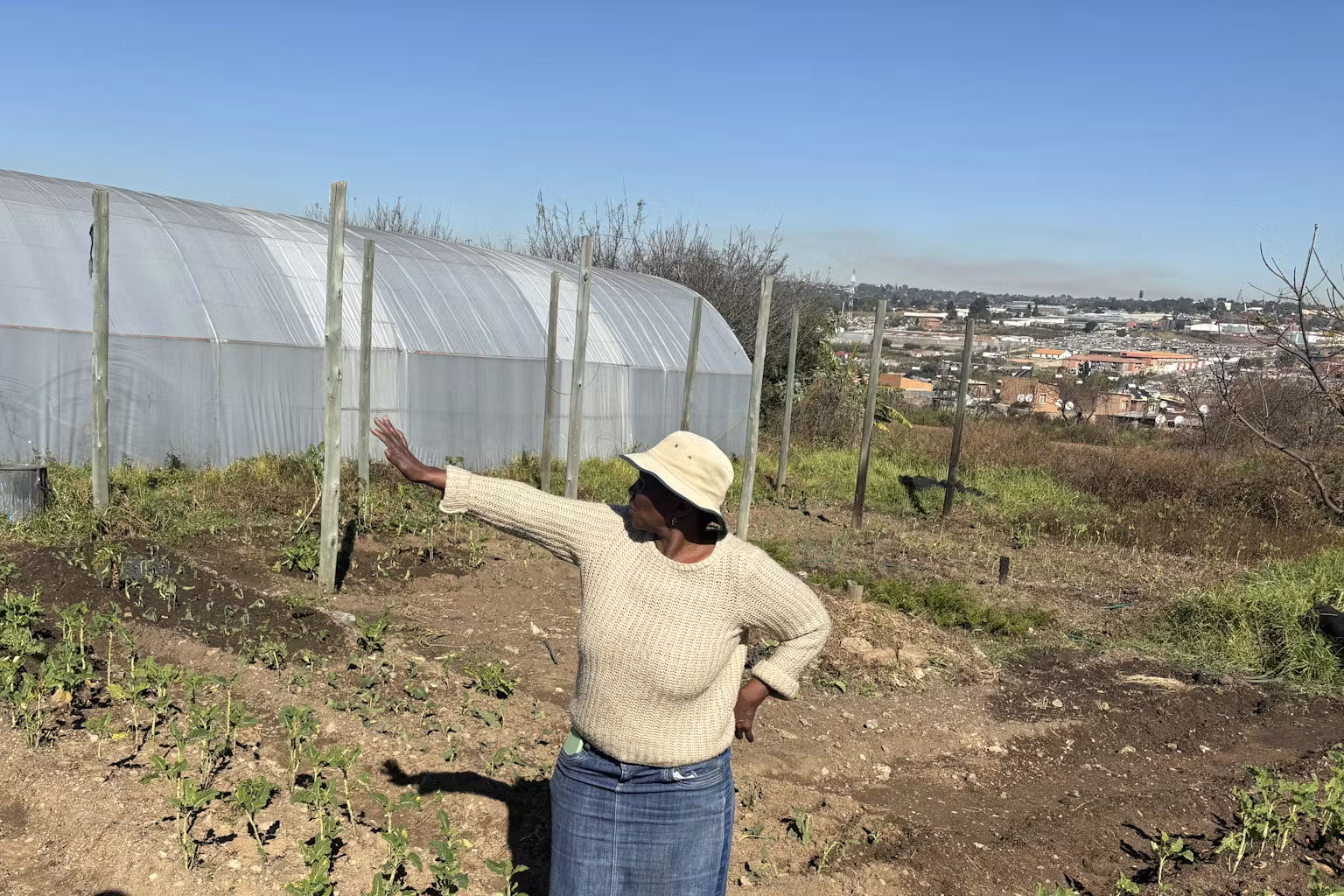
Urban farming initiatives in Johannesburg are aiding the city's poorest households in their struggle for survival, according to Moneyweb. However, these programs require larger investments to expand their impact and effectiveness.
Moneyweb·July 5, 2026 at 2:00 AM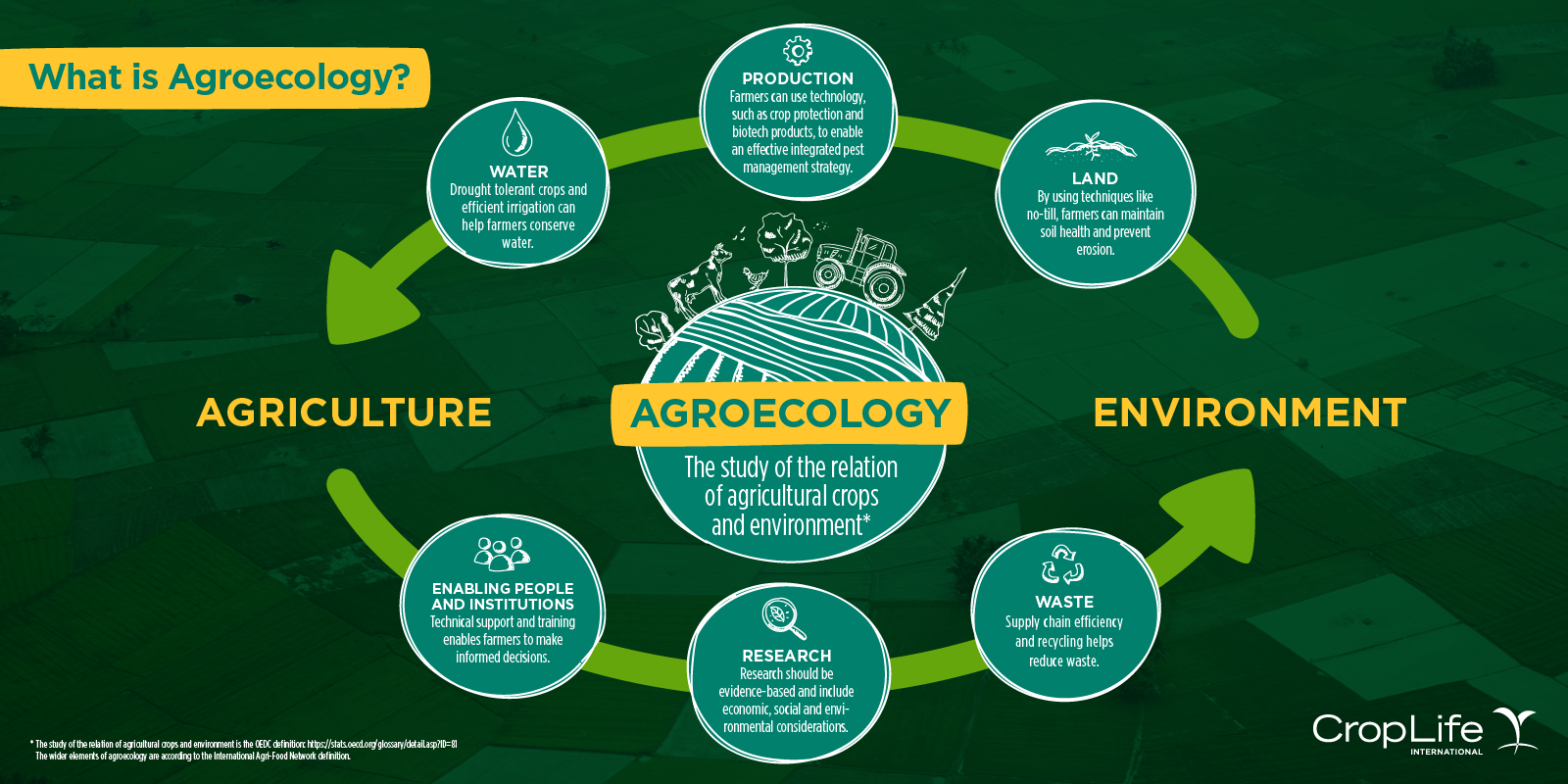
In Tanzania and across Africa, farmers are increasingly adopting agroecology, a sustainable agricultural approach that integrates ecological principles with local knowledge and innovation. This shift aims to enhance food security and resilience against climate shocks while improving productivity and income for households that rely on agriculture for their livelihoods.
Daily News (TZ)·June 24, 2026 at 2:24 PM
In Kenya, nearly a third of the country's agricultural land is now controlled by individuals living in urban areas, a trend that has developed over the past two decades. This phenomenon is also observed in other African nations such as Ghana, Malawi, Tanzania, and Zambia. Urban residents are increasingly investing in rural farmlands, motivated by rising food prices, liberalized agricultural markets, and the growing demand for food in urbanizing regions, according to The Conversation Africa.
The Conversation Africa·June 29, 2026 at 2:22 PM
The world’s food systems are facing significant challenges, including climate change, nutrition insecurity, food safety, and unequal market access. According to The Conversation Africa, research has developed practical solutions that could benefit millions, but these solutions are not being widely implemented. The development sector has often focused on pilot projects rather than scaling successful innovations to address these urgent issues.
The Conversation Africa·June 30, 2026 at 1:53 PM
In South Africa, 47% of the population faces energy poverty, spending a significant portion of their income on inadequate electricity. The situation is worsening due to the growth of informal settlements, exacerbated by the Covid-19 pandemic. A study focused on the Qandu Qandu settlement examines the impact of a basic solar grant on providing cheaper electricity, raising questions about the viability of solar mini-grids as a solution for those leaving the traditional electricity network.
The Conversation Africa·June 24, 2026 at 1:51 PM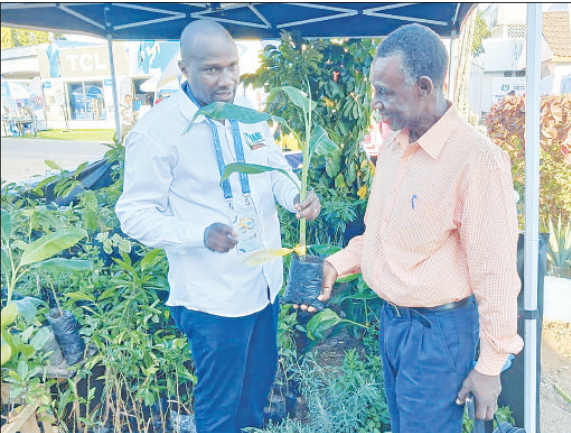
Farmers and the public are encouraged to adopt the cultivation of scientifically researched fruit trees, bananas, and spices, which provide health and economic benefits. Agricultural experts highlight that improved crop varieties can boost productivity, enhance food quality, and increase household incomes, according to Daily News.
Daily News (TZ)·July 4, 2026 at 12:40 PM