A South African court has ordered state-owned electricity provider Eskom to address pollution from its coal-fired power stations, in a case involving a pig farm affected by contamination. According to The Conversation Africa, about 74% of South Africa's electricity comes from Eskom's coal-fired plants, which emit greenhouse gases and air pollution and can contaminate nearby waterways. South African environmental law requires power stations to hold environmental authorisations and water-use and atmospheric emission licences governing how they manage pollution risks.
AI summary. Verify with the original source.
Read full story at The Conversation Africa ↗
Listen
Unlock audio summaries, audio summaries, AI chat, Wikipedia facts, and ad-free reading.
$3.99 / month · cancel anytime
Go PremiumBackground facts
Unlock wikipedia facts, audio summaries, AI chat, Wikipedia facts, and ad-free reading.
$3.99 / month · cancel anytime
Go PremiumSimilar stories

South Africa is transitioning from coal-fired electricity, which currently accounts for 74% of its power, to renewable sources like wind and solar. This shift is complicated and is being hindered by the need for a different electricity system and new grid management strategies. Additionally, significant changes are required at Eskom, the state-owned utility that has historically dominated the power sector.
The Conversation Africa·June 30, 2026 at 10:56 AM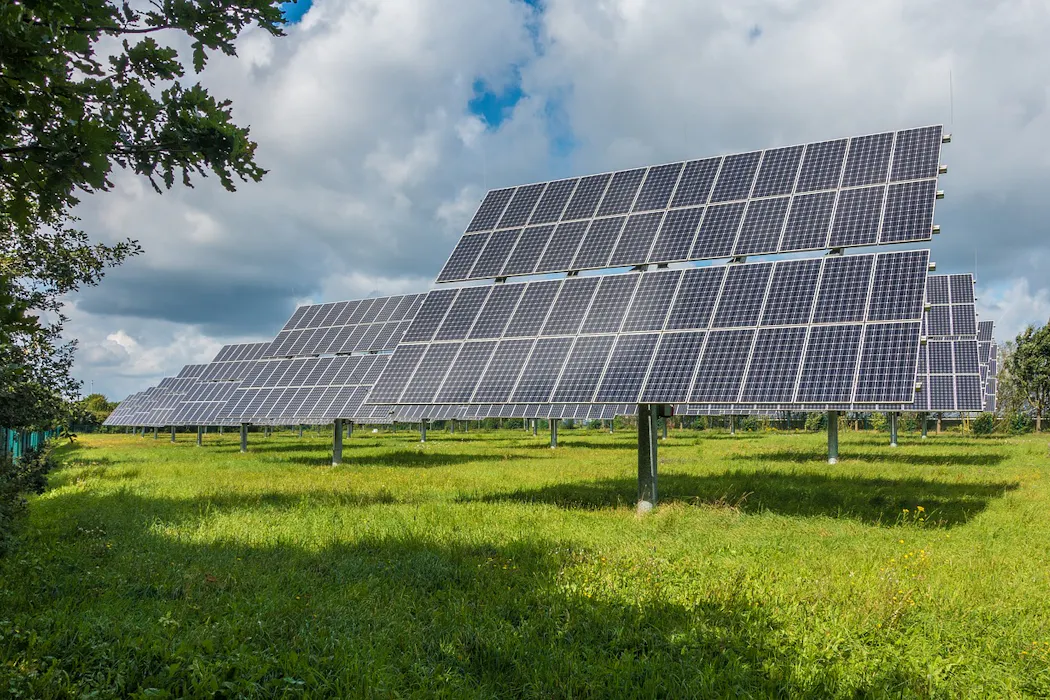
A study tracking 3,139 power plants in Africa reveals that fossil fuels continue to dominate the continent's electricity generation, with only about 57% of the population having access to electricity, primarily in sub-Saharan Africa. To achieve the United Nations goal of universal access to affordable electricity by 2030, rapid expansion of electricity generation is necessary. However, this expansion poses challenges related to water resources and climate change due to greenhouse gas emissions from power plants, particularly coal-fired ones.
The Conversation Africa·June 23, 2026 at 2:20 PM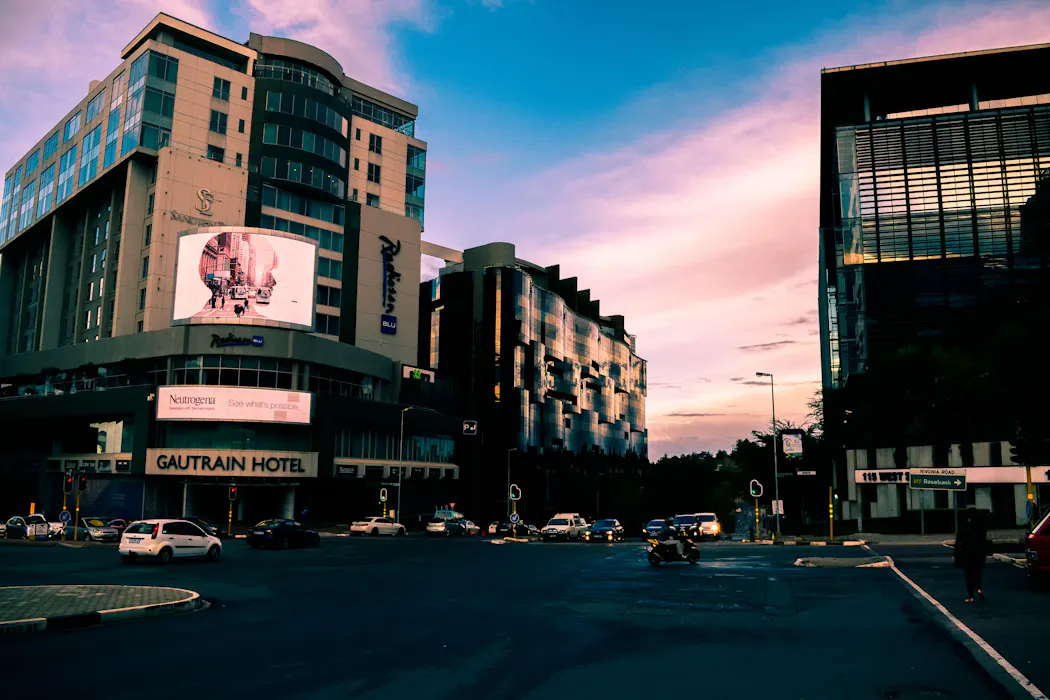
Johannesburg has taken out a significant loan to address its electricity issues, as the city's power infrastructure and billing systems require urgent improvements. A survey indicated that only 38% of residents were satisfied with their electricity services in 2023/2024, a sharp decline from 77% in 2017/18. The auditor general reported that the city allocated only 1% of its operating budget for maintenance in 2024/25, well below the recommended 8%.
The Conversation Africa·June 23, 2026 at 11:26 AM
Nigeria's air pollution crisis has taken on new urgency after the country was ranked the third most polluted in Africa in the 2025 World Air Quality Report, according to Leadership. In response, the federal government announced plans to tighten controls on vehicle and generator emissions, two major sources of air pollution. Officials said the ranking underscored the urgent need for coordinated national action to address worsening air quality and protect public health across the country.
Leadership (NG)·September 7, 2026 at 8:47 PM
South Africa's government has issued a new electricity pricing policy for the first time in 18 years, according to The Conversation Africa. The rules guide the national energy regulator, state utility Eskom and municipalities in setting prices, specifying which costs can be recovered from customers and how charges must appear on bills. The policy aims to keep prices fair and transparent while funding system maintenance and supporting poor households, though the analysis notes both strengths and shortcomings in the approach.
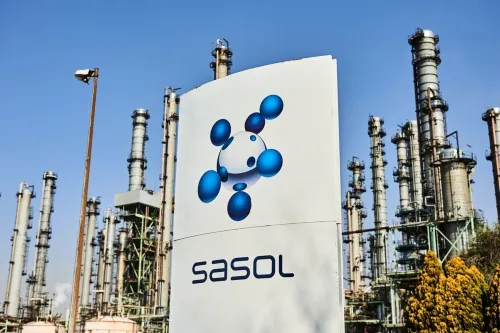
The Conversation Africa·September 8, 2026 at 1:41 PMA new study has found that emissions from Sasol's Secunda plant in South Africa contributed to an estimated 1,000 deaths and 1,100 preterm births in 2024. According to the research, the health impacts of the pollution are valued at roughly R19 billion per year. The findings place significant economic and human costs on one of the country's largest industrial emitters, according to IOL.
IOL·September 9, 2026 at 12:20 PM