
An article from The Conversation Africa argues that the continent's geological heritage sites, from South Africa's Vredefort Dome to Kenya's Rift Valley volcanic lakes, Morocco's M'Goun Geopark and Tanzania's Ngorongoro-Lengai landscape, preserve evidence of ancient climates and environments spanning hundreds of millions of years. The author contends these rocks, fossils, caves and craters are more than scenic attractions and calls for improved methods to document and protect them.
AI summary. Verify with the original source.
Read full story at The Conversation Africa ↗
Listen
Unlock audio summaries, audio summaries, AI chat, Wikipedia facts, and ad-free reading.
$3.99 / month · cancel anytime
Go PremiumBackground facts
Unlock wikipedia facts, audio summaries, AI chat, Wikipedia facts, and ad-free reading.
$3.99 / month · cancel anytime
Go PremiumSimilar stories
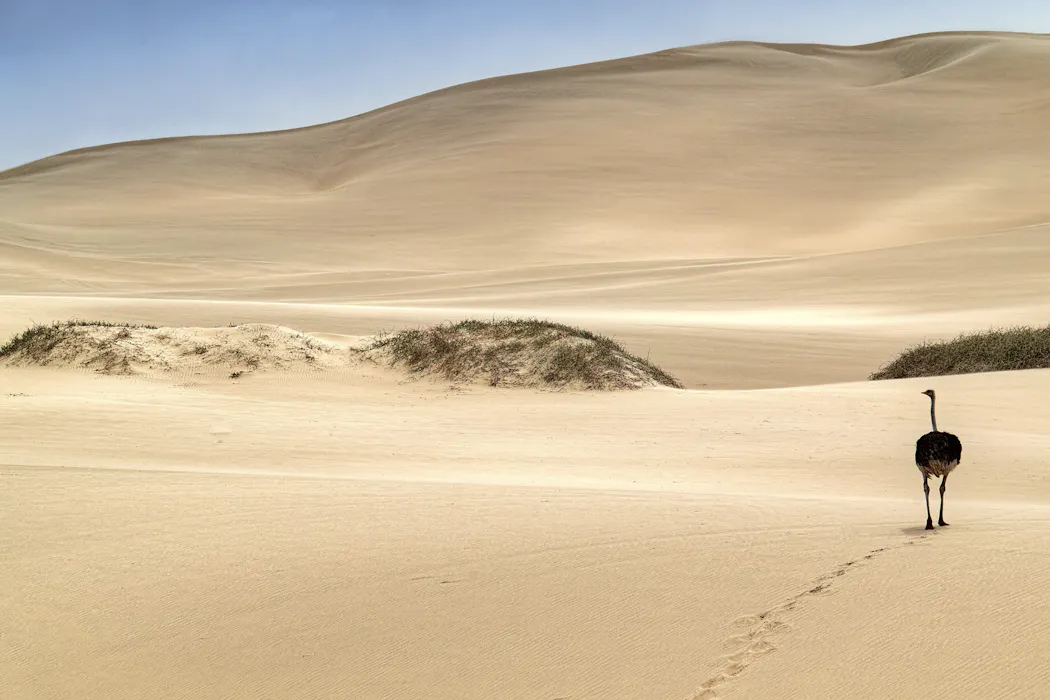
A study published in The Conversation Africa discusses how oxygen atoms found in 15-million-year-old giant eggshells from the Namib desert provide insights into how plants responded to a hotter Earth during the Miocene Epoch. The eggs, laid by extinct relatives of ostriches, serve as time capsules of ancient air, revealing climatic conditions of that era, which is considered an intermediate geological period between the age of dinosaurs and more recent times.
The Conversation Africa·June 22, 2026 at 1:52 PM
As global temperatures rise, surface water sources in Africa are becoming increasingly erratic, leading to concerns about water availability. Approximately 400 million people in Africa lack access to basic drinking water services. However, scientists are focusing on mapping and monitoring the continent's groundwater, which is estimated to be 0.66 million cubic kilometers, significantly more than the freshwater in all of Africa's lakes combined, to prepare for future climate challenges.
The Conversation Africa·June 22, 2026 at 1:51 PM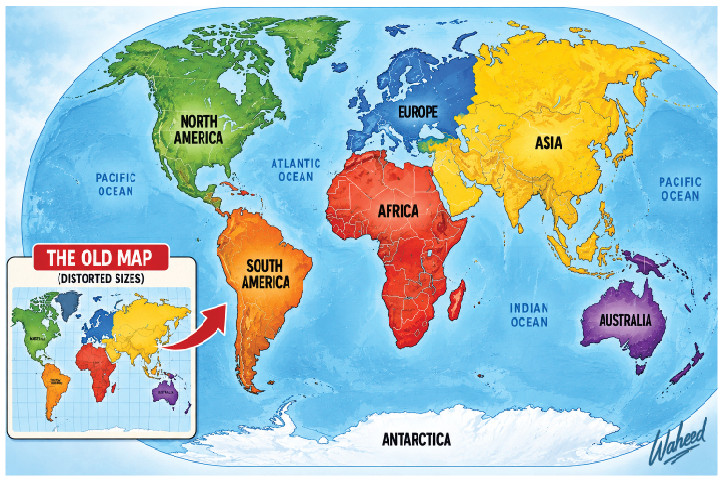
An opinion piece in Nigeria's Leadership newspaper argues that Africa's geographical size has been distorted for centuries by standard world maps, which make Greenland appear nearly as large as the continent even though Africa could contain the United States, China, India and much of Europe. The article references the United Nations General Assembly on September 4, 2026, in connection with efforts to correct this perceived minimisation of Africa's true scale.
Leadership (NG)·September 9, 2026 at 4:12 AM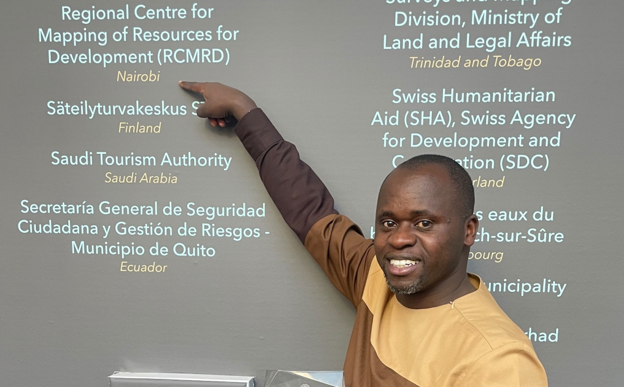
The Regional Centre for Mapping of Resources for Development (RCMRD) is partnering with Amazon Web Services (AWS) to help 24 African countries map and protect nature, according to CIO Africa. The initiative comes as governments across Eastern and Southern Africa face pressure to expand conservation efforts in line with the global goal of protecting at least a portion of the planet's land and waters. The collaboration reportedly provides mapping tools and cloud technology to support these environmental protection efforts.
CIO Africa·September 4, 2026 at 8:02 AM
Tanzania's Parliamentary Standing Committee on Public Investment and Capital visited the Ngorongoro Conservation Area to view tourist attractions, including the rare shifting sands found nowhere else in the world. Led by committee chairperson Masanja Kadogosa, the legislators advised Ngorongoro authorities and tourism stakeholders to intensify international promotion of attractions such as the shifting sands, Olduvai Gorge, and research by scientists including Dr. Louis and Mary Leakey on early human history.
Michuzi Blog·September 7, 2026 at 7:10 AM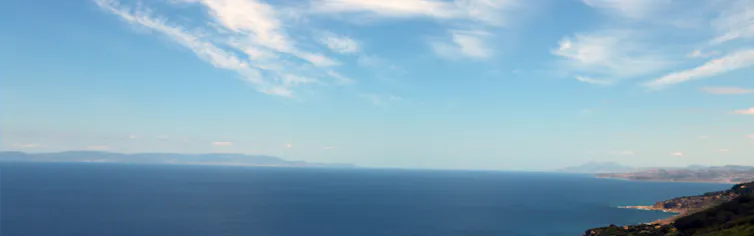
According to The Conversation Africa, archaeological findings and DNA analysis are challenging long-held narratives about ancient Mediterranean history, which have predominantly focused on major civilizations like Greece, Rome, and Egypt. The research indicates that North West Africa, particularly Morocco, had significant communities long before the arrival of Phoenician traders around 3,000 years ago, suggesting a more complex historical landscape than previously understood.
The Conversation Africa·July 2, 2026 at 7:20 AM