
The Miyetti Allah Cattle Breeders Association of Nigeria has raised alarm over rising meat imports into the country, warning of growing challenges facing local livestock production. The group listed rising feed and transportation costs, insecurity, shrinking grazing resources, inadequate infrastructure, limited access to affordable finance and climate change among the factors undermining the domestic cattle industry. The association's concerns highlight pressure on Nigeria's livestock sector as imported meat increasingly competes with local supply.
AI summary. Verify with the original source.
Read full story at PM News (NG) ↗
Listen
Unlock audio summaries, audio summaries, AI chat, Wikipedia facts, and ad-free reading.
$3.99 / month · cancel anytime
Go PremiumBackground facts
Unlock wikipedia facts, audio summaries, AI chat, Wikipedia facts, and ad-free reading.
$3.99 / month · cancel anytime
Go PremiumSimilar stories
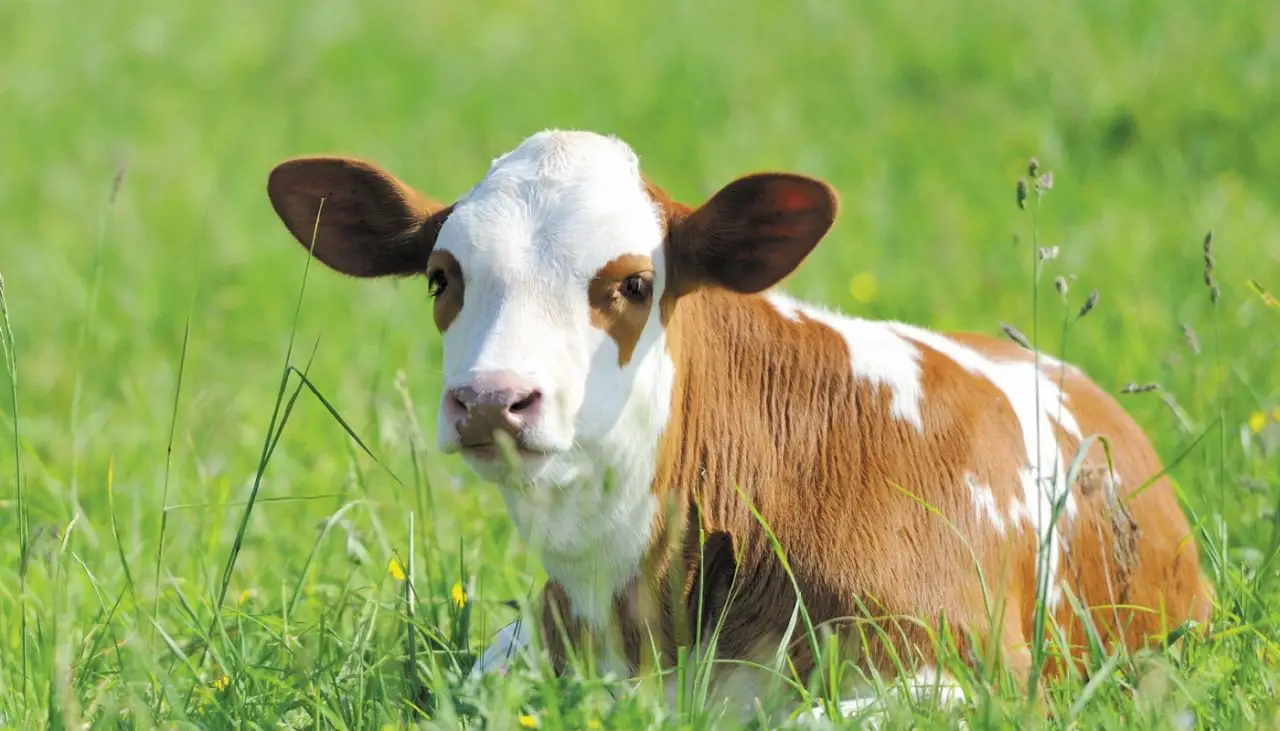
The Tanzania Commission for Science and Technology (COSTECH) has launched a climate-resilient livestock project to address challenges in the livestock sector, including rising temperatures, prolonged droughts, and shortages of resources. These issues are impacting livestock productivity, animal welfare, and the livelihoods of livestock keepers in Tanzania.
Daily News (TZ)·June 25, 2026 at 6:55 AM
Obi has expressed concerns regarding a warning from the United Nations about a food crisis in Northern Nigeria. He urged both the federal and state governments to make proactive investments in securing agricultural corridors and to support smallholder farmers by providing them with accessible resources.
Vanguard (NG)·July 4, 2026 at 4:22 PMUganda's manufacturers are facing challenges such as high production costs, limited access to long-term capital, reliance on imported inputs, and fragmented supply chains. To address these issues, they are advocating for enhanced collaboration across supply chains, innovative financing solutions, and increased investment in value addition, according to The Independent.
The Independent (UG)·June 23, 2026 at 7:00 AM
Africa's reliance on imported fuel is particularly pronounced in the transport sector, where road transport consumes about 80 percent of the continent's imported fuel. This dependence significantly impacts the economy, as transport costs can account for up to 45 percent of the final retail price of staple foods, highlighting both a challenge and an opportunity for energy solutions in the region.
Tanzania Times·July 5, 2026 at 10:58 AM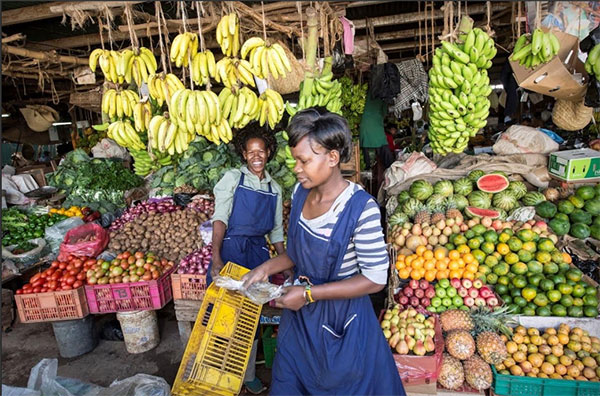
According to FAO Economist Monica Tothova, the ongoing energy crisis linked to the conflict in the Middle East has not yet impacted global food prices due to existing agricultural reserves. Despite worries regarding energy costs, fertilizer prices, and freight disruptions, the global food commodity market remains stable for the time being.
The Independent (UG)·July 4, 2026 at 6:00 PM
The Kenyan government has announced a package of measures to address a milk supply shortage that has reduced the availability of several processed milk brands on retail shelves. Livestock Development Principal Secretary Jonathan Mueke said inadequate rainfall in key agricultural zones had limited fodder supplies, creating the main bottleneck in raw milk production. Speaking at a press conference, Mueke said the state is working with dairy value chain stakeholders to support producers directly and stabilise supply lines.
Nairobi Wire·September 4, 2026 at 3:45 AM