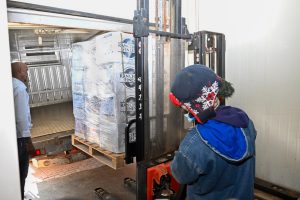
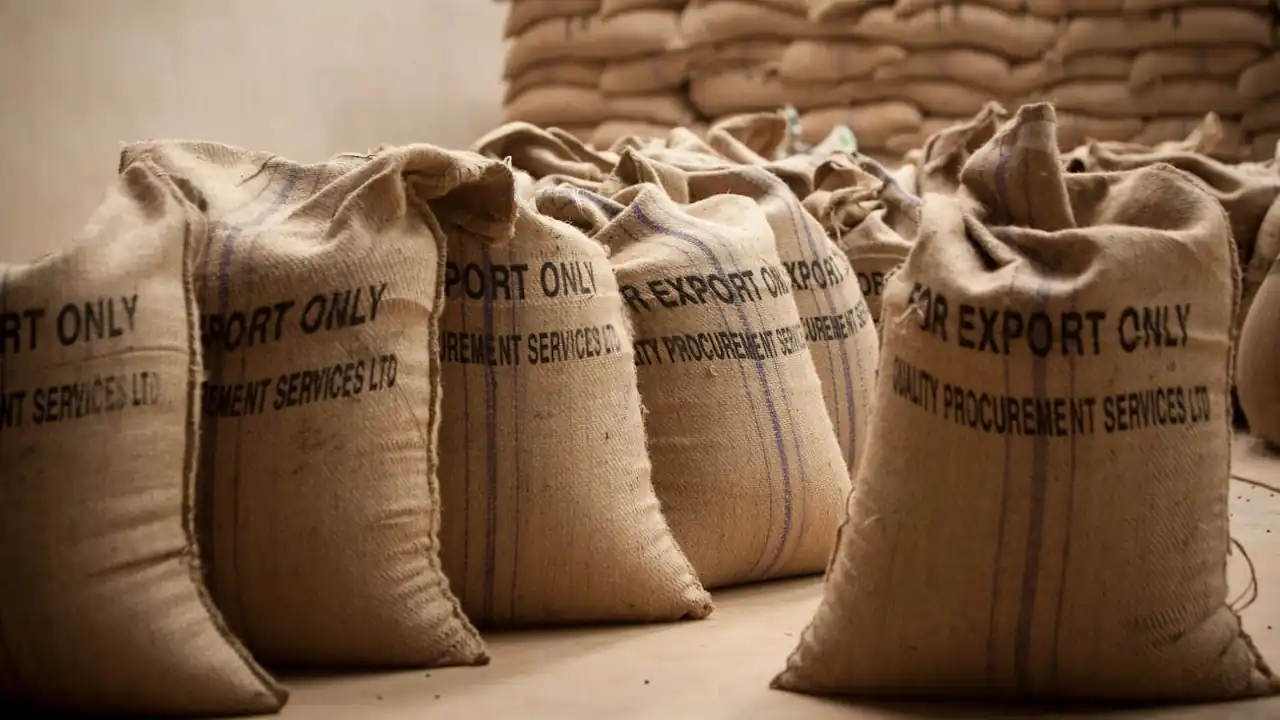
Daylong Group is addressing the fragmentation in Nigeria's agricultural supply chain by focusing on processing infrastructure, certification, and traceability, with the aim of enhancing exports.
Latest stories tagged “exports”

Daylong Group is addressing the fragmentation in Nigeria's agricultural supply chain by focusing on processing infrastructure, certification, and traceability, with the aim of enhancing exports.

According to Punch, Nigeria has become a leading exporter of solar modules to the United States, responding to new trade regulations aimed at China. This development highlights Nigeria's growing role in the global clean energy market.

Exxaro Resources has expressed optimism about increasing its coal exports, contingent on improvements to the rail infrastructure managed by Transnet. The company emphasizes that coal is crucial for its earnings, cash flow, and sustainable returns.

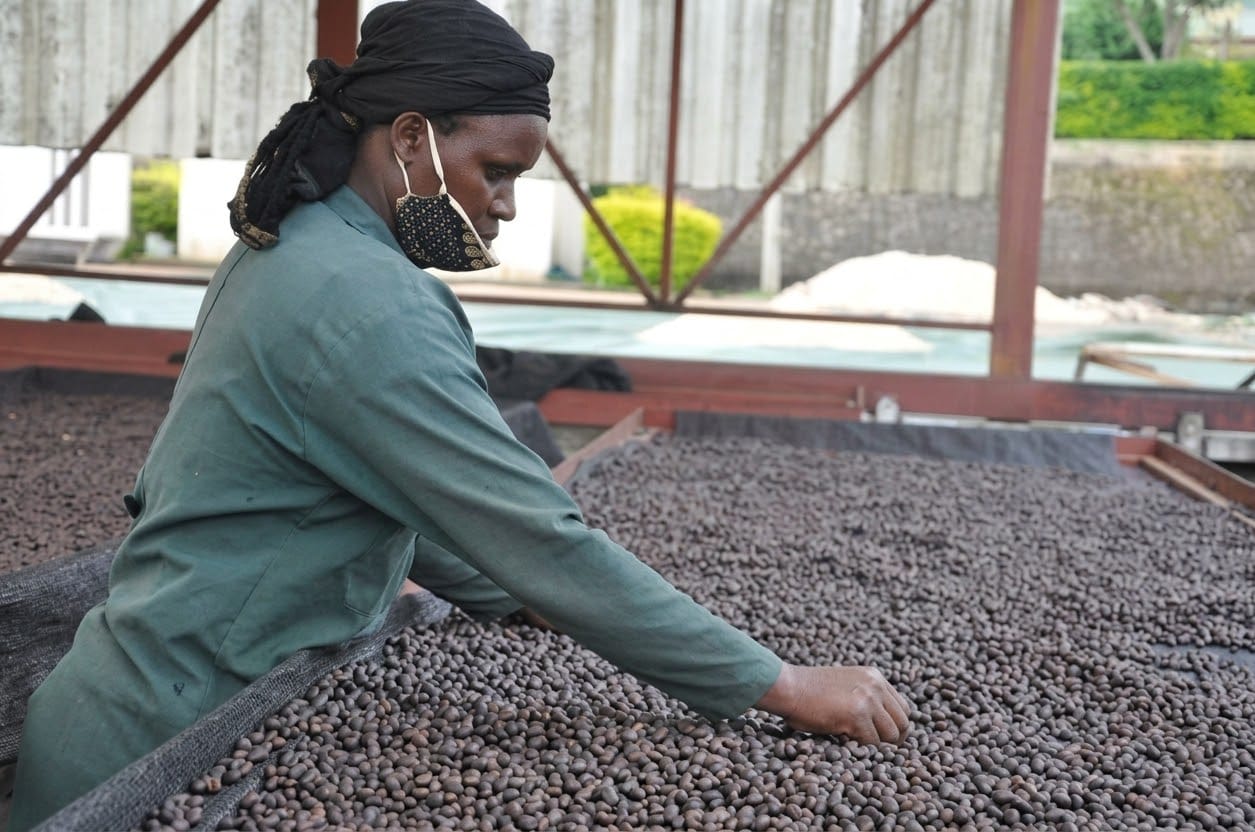
Recent figures from the Uganda Bureau of Statistics (UBOS) indicate that Uganda's agriculture sector is experiencing significant growth, primarily driven by a surge in coffee exports, which have reached record levels and generated billions of dollars. This trend highlights the importance of coffee in the country's export performance, suggesting a reliance on this single crop for agricultural success.

The Africa Association of Professional Freight Forwarders and Logistics of Nigeria (APFFLON) has cautioned that Nigeria may not fully benefit from the African Continental Free Trade Area (AfCFTA) despite the government's approval of a $1 billion credit facility to support exporters. The association emphasized that without necessary reforms, the potential advantages of the AfCFTA may not be realized, according to Vanguard Business.

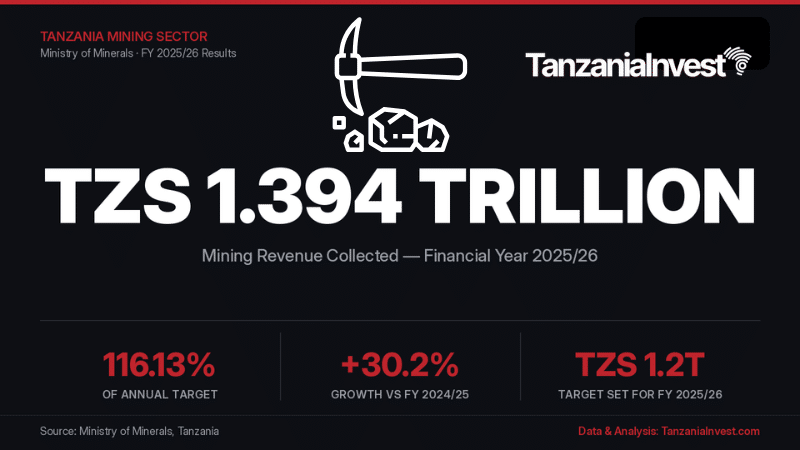
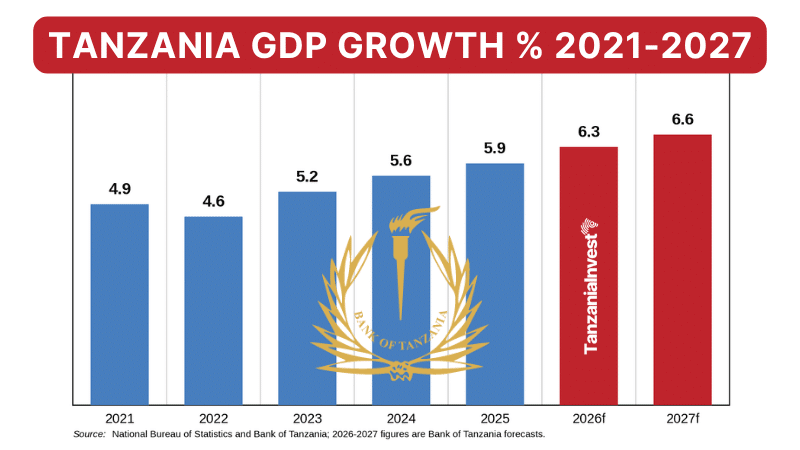
The Central Bank of Tanzania has projected a GDP growth of 6.3% for 2026 and 6.6% for 2027, driven by public and private investments as well as exports. According to its latest Monetary Policy Statement for 2026/27, key sectors contributing to this growth include agriculture, mining, tourism, and construction. Inflation is expected to rise but will remain within the target range of 3-5%.

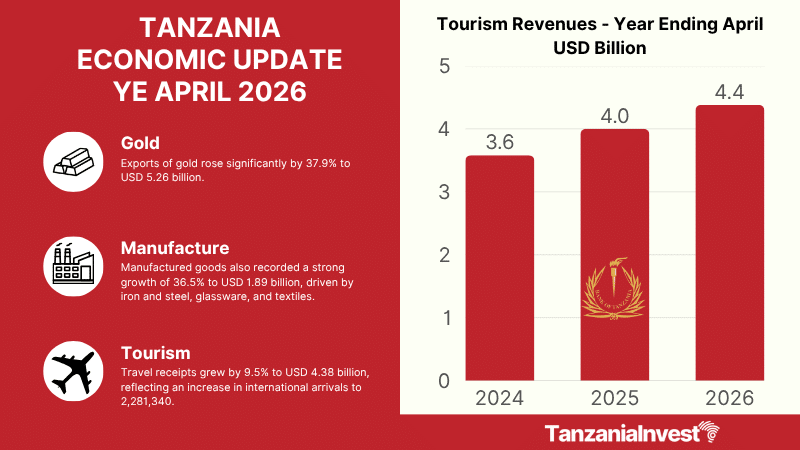
According to the Bank of Tanzania's May 2026 review, Tanzania's exports increased by 13.5% to USD 18.9 billion for the year ending April 2026, driven primarily by gold and tourism. The report also noted a rise in headline inflation to 4% due to higher fuel prices, a 23.6% growth in private sector credit, and an appreciation of the Shilling by 2.7%. Foreign exchange reserves reached USD 5.7 billion, sufficient to cover 4.4 months of imports.

In March, Uganda's coffee exports increased modestly to 671,152 60-kilogram bags, valued at $173.4 million, according to the Ministry of Agriculture, Animal Industry and Fisheries. However, weaker international prices led to a 13.6 percent decline in earnings compared to the previous year. The average export price fell to $4.31 per kilogram, down from $4.63 in February and $5.14 in March of the previous year.

In February, Uganda's coffee export volumes increased significantly, with the country exporting 651,933 60-kilogram bags valued at $181 million, according to the Ministry of Agriculture, Animal Industry and Fisheries. This represents a 15 percent year-on-year increase in volumes and a 5.8 percent rise in earnings, despite a decline in global prices, which fell to an average of $4.63 per kilogram from $4.71 in January.