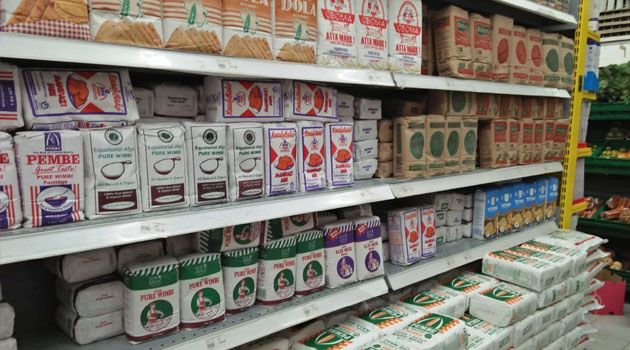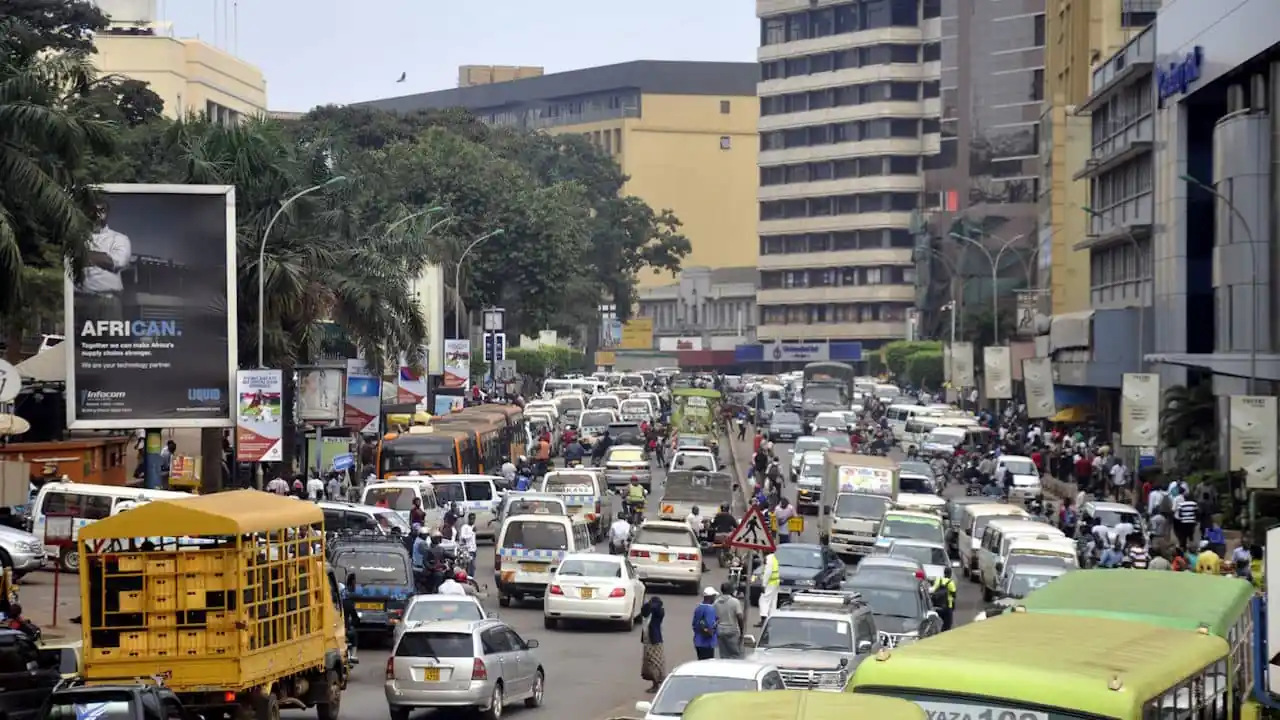
A report by Worldpanel by Numerator indicates that due to inflation, Kenyan shoppers are increasingly purchasing from a broader array of brands, which poses challenges for companies in maintaining customer loyalty.
Latest stories tagged “inflation”

A report by Worldpanel by Numerator indicates that due to inflation, Kenyan shoppers are increasingly purchasing from a broader array of brands, which poses challenges for companies in maintaining customer loyalty.

Nedbank announced a downgrade to its 2026 domestic economic output outlook, attributing this change to a mixed economic environment observed in the first five months of the year. The bank also indicated that the central bank is expected to maintain current interest rates in response to rising inflation.

The World Bank has indicated that the economic recovery in Sub-Saharan Africa is losing momentum, projecting a growth rate of 4.1 percent for 2026, the same as in 2025. This figure represents a downward revision of 0.3 percentage points from a previous forecast of 4.4 percent, as noted in the latest Africa Economic Update released in April.

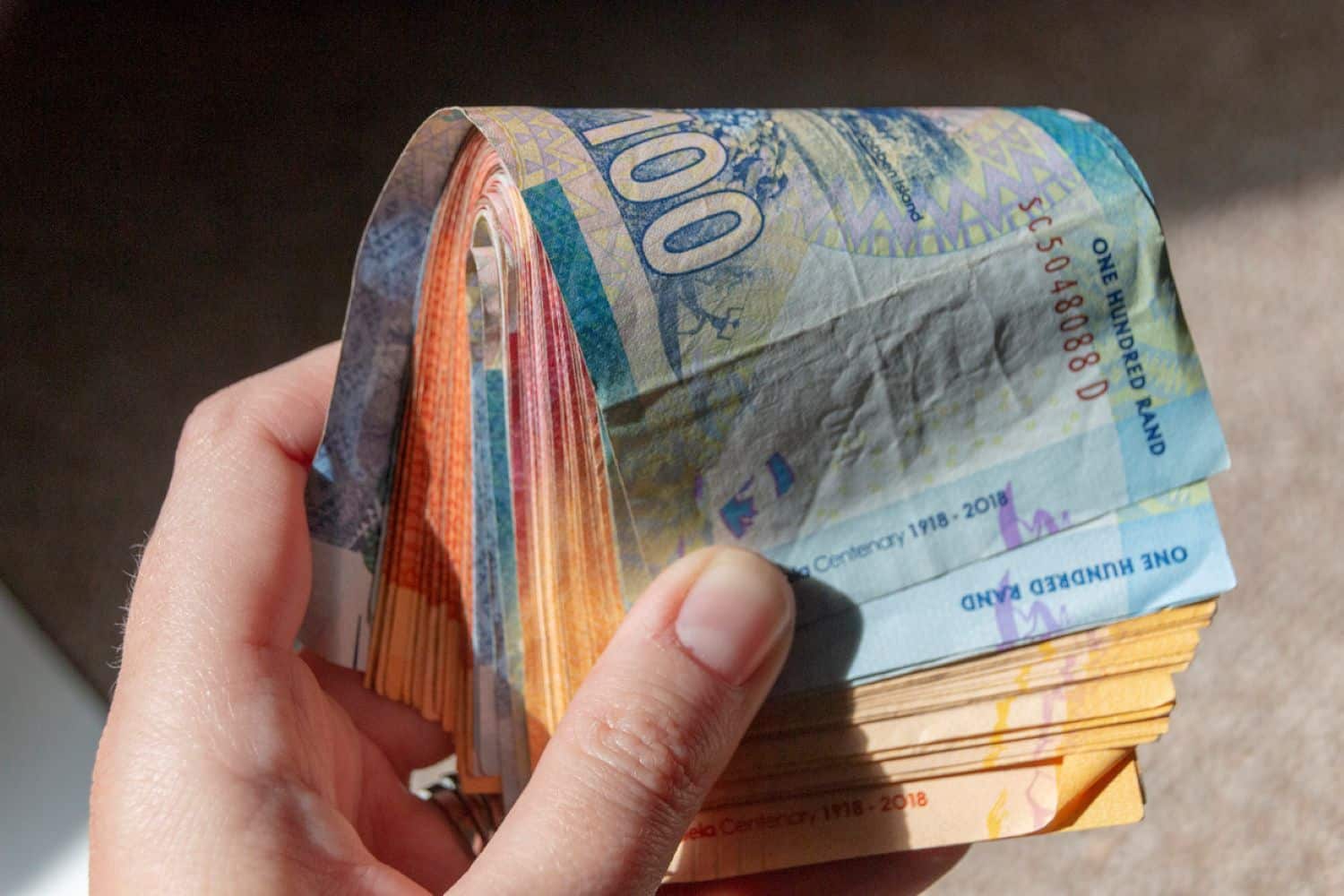
Salaries in South Africa have reached a two-year low, with net pay decreasing to R21,000. This decline in real earnings is attributed to salary growth not keeping pace with rising inflation, according to The Citizen Business.

Standard Bank reported that client confidence has been negatively impacted by ongoing conflicts in the Middle East and rising inflation. Additionally, high interest rates contributed to the bank's performance, leading to only 'moderate growth' in its home loan portfolio.

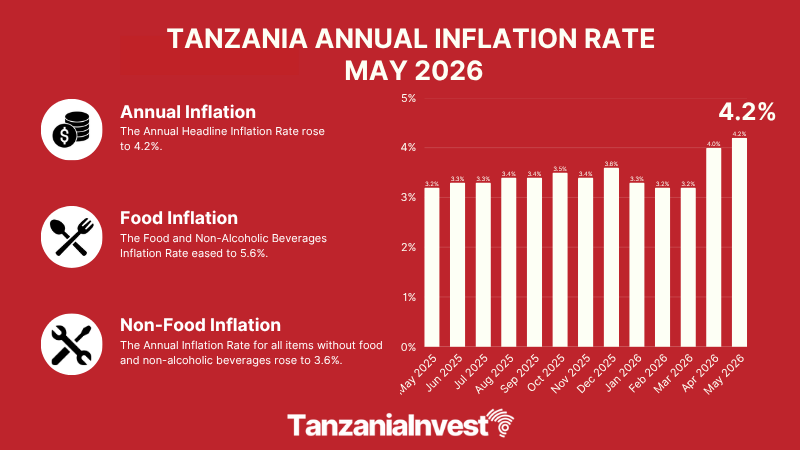
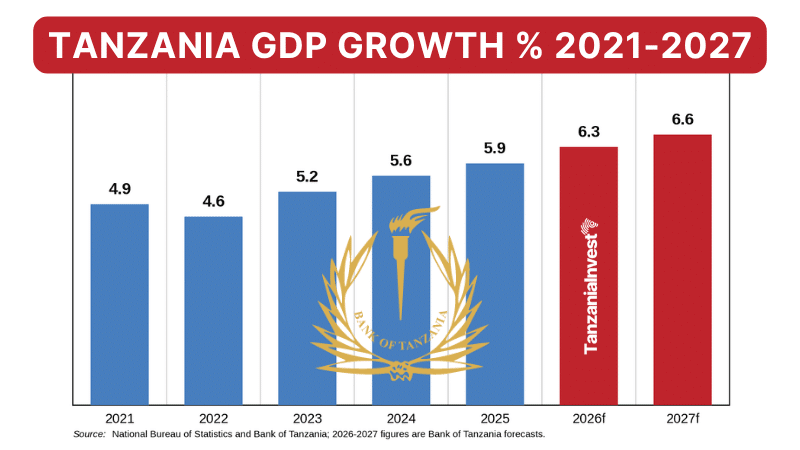
The Central Bank of Tanzania has projected a GDP growth of 6.3% for 2026 and 6.6% for 2027, driven by public and private investments as well as exports. According to its latest Monetary Policy Statement for 2026/27, key sectors contributing to this growth include agriculture, mining, tourism, and construction. Inflation is expected to rise but will remain within the target range of 3-5%.

South African households are experiencing a two-year high in inflation, reaching 4.5%. This increase in prices is attributed to the ongoing US-Israeli conflict with Iran, which is impacting the economy.

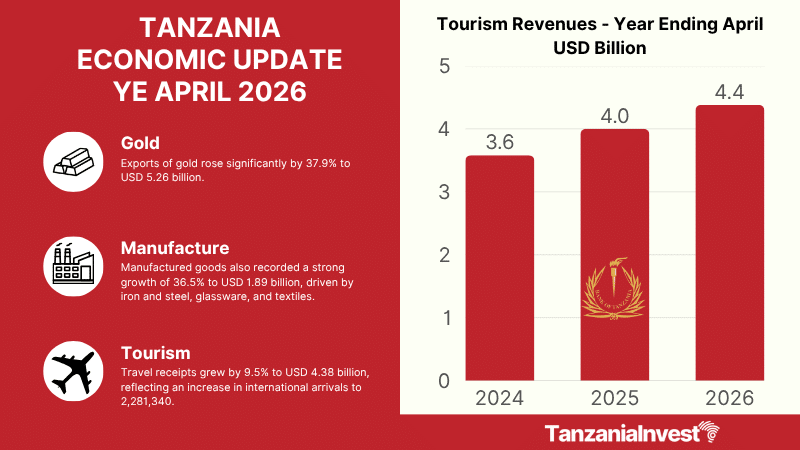
According to the Bank of Tanzania's May 2026 review, Tanzania's exports increased by 13.5% to USD 18.9 billion for the year ending April 2026, driven primarily by gold and tourism. The report also noted a rise in headline inflation to 4% due to higher fuel prices, a 23.6% growth in private sector credit, and an appreciation of the Shilling by 2.7%. Foreign exchange reserves reached USD 5.7 billion, sufficient to cover 4.4 months of imports.

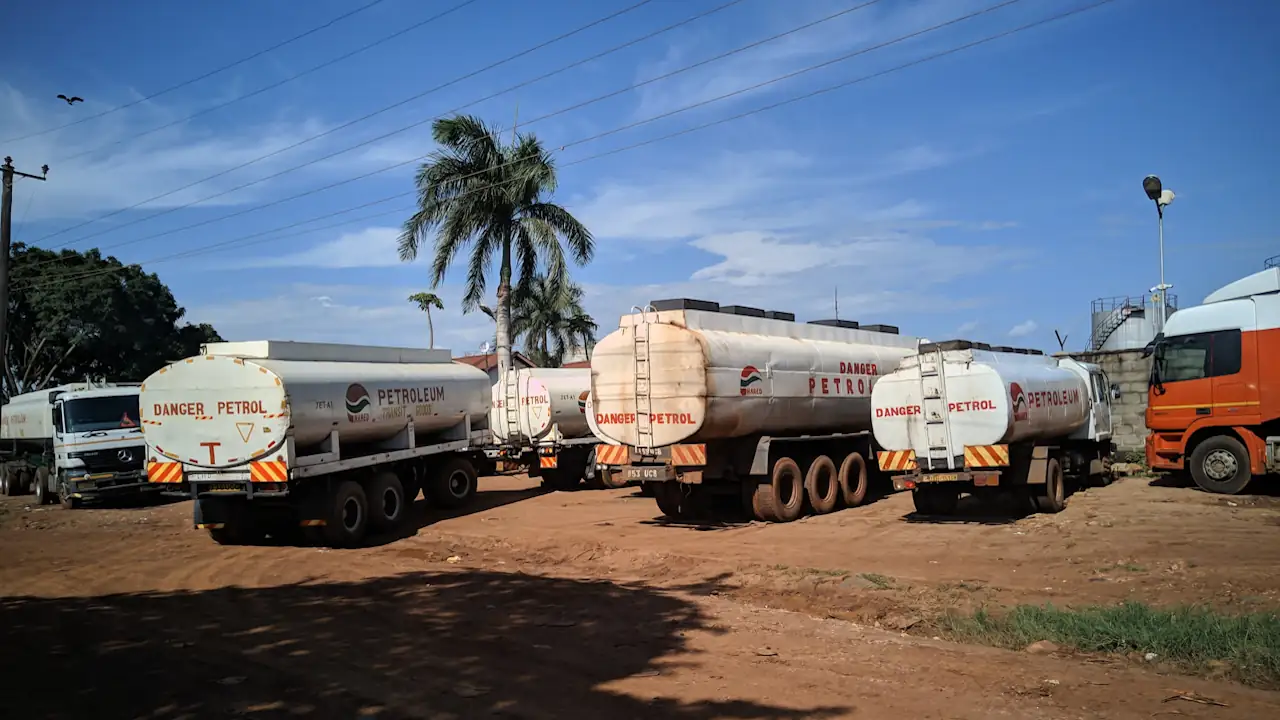
Uganda's annual inflation rate increased to 3.2 percent in May from 3 percent in April, primarily due to rising fuel and transport costs associated with higher global oil prices. This trend has raised concerns at the Bank of Uganda regarding external inflation pressures, while food prices have remained relatively stable. The Uganda Bureau of Statistics reported a monthly consumer price rise of 0.7 percent.

Uganda's inflation increased to 3 percent in April, up from 2.8 percent in March, primarily due to rising energy and transport costs, according to data from the Uganda Bureau of Statistics. Monthly prices rose by 0.6 percent, marking the fastest increase since February 2025, while food and core components showed contained price pressures.

Standard Bank reported that client confidence has been negatively impacted by ongoing conflicts in the Middle East and rising inflation. Additionally, high interest rates contributed to the bank's performance, leading to only 'moderate growth' in its home loan portfolio.