Seven countries within the OPEC+ alliance have agreed to modestly increase their oil production next month, responding to a decline in fuel prices that have reached levels not seen since before the conflict between the U.S. and Israel and Iran. This decision was announced on Sunday, aiming to bring more oil to the market.
#fuel prices
Latest stories tagged “fuel prices”

A report from JamiiForums discusses the recent claims regarding fuel prices, revealing the underlying truths about the situation. The article aims to clarify the factors influencing fuel costs and dispel any misinformation surrounding the issue.

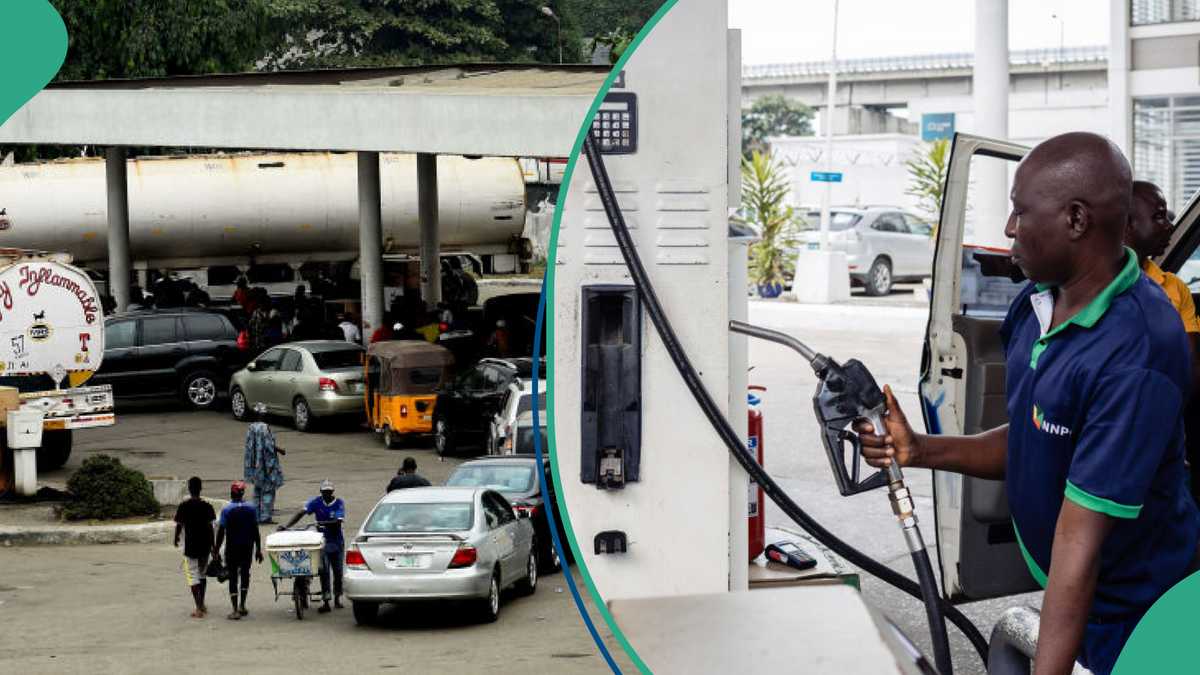
Filling stations in Nigeria, including MRS, AA Rano, and NIPCO, have decreased petrol prices following a reduction in the ex-depot price by Dangote Refinery to N1,075 per litre. This price cut has provided relief to consumers across the country.
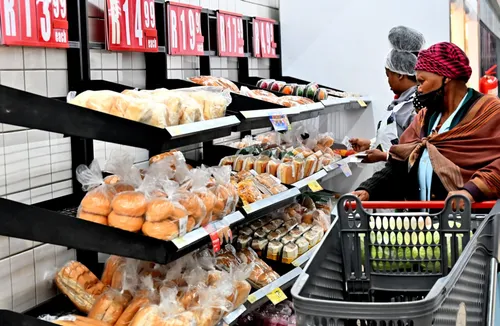
A recent drop in fuel prices has provided some relief to South African households; however, they continue to face significant challenges due to rising unemployment, high food costs, and increasing municipal bills. This situation leaves many families in a precarious financial position, struggling to manage their expenses amidst these pressures.

Dangote Refinery has announced a reduction in the price of Premium Motor Spirit (PMS) by N200 per litre within a month, indicating that the refinery has absorbed the recent surge in global oil prices. This marks another instance of price cuts from the refinery, suggesting a trend towards further moderation in fuel prices, according to Premium Times Business.

South African motorists are experiencing significant fuel price reductions that were implemented this week. Early forecasts indicate that there may be additional price relief expected in August, suggesting continued benefits for consumers at the fuel pumps.

South African motorists will experience a significant reduction in fuel prices starting Wednesday, 1 July, following one of the largest monthly price cuts in recent years.

According to Swahili Times, the prices of fuel have decreased, and new costs have been announced for all regions. The report details the updated fuel prices across various areas.

In July, Tanzanian motorists and households will benefit from a slight decrease in fuel prices, attributed to a ceasefire in the Middle East. However, despite this reduction, fuel costs remain considerably higher than levels recorded before the crisis, according to The Chanzo.

According to Nukta Africa, fuel prices in the country have decreased, with petrol dropping by 96 shillings per liter, diesel by 151 shillings per liter, and kerosene by 242 shillings per liter.
Fuel prices have decreased, providing relief for motorists and paraffin users, attributed to lower global oil prices and a stronger rand against the US dollar, according to SABC Business.
Motorists are expected to experience a decrease in petrol and diesel prices starting Wednesday, providing some relief at the fuel pumps, according to SABC Business.

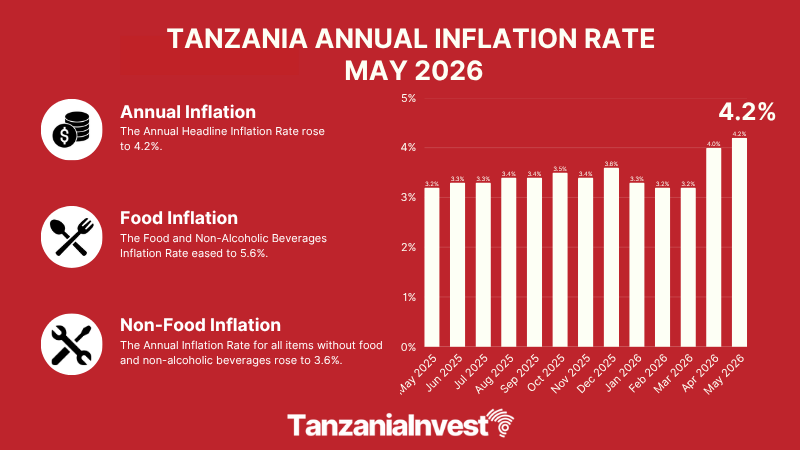
Tanzania's annual headline inflation rose to 4.2% in May 2026, up from 4.0% in April, primarily due to an 11.9% increase in transport prices linked to monthly fuel price hikes of 13.8% for diesel and 10.4% for petrol. Core inflation also increased to 3.4% from 3.1%, indicating broader price pressures beyond food and energy, according to the National Bureau of Statistics.

Global oil prices have decreased to levels not seen since before the US-Iran war, leading to expectations for lower petrol prices, according to Daily Trust. Despite this drop, fuel prices in Nigeria continue to exceed N1,000, raising concerns about the slow transmission of global market changes to local consumers and businesses.

As fuel prices rise, transport operators in Uganda are focusing on technological upgrades for efficiency. New-generation commercial trucks are being introduced, which promise reduced fuel consumption and longer service intervals. Additionally, these advancements include a pathway towards electric freight transport, as manufacturers prepare to launch electric trucks in the market.

According to The South African Biz, recent fuel price data indicates significant reductions in the prices of both petrol and diesel in South Africa, despite the conclusion of the government's temporary fuel levy relief program. Motorists are expected to benefit from these price cuts next week.

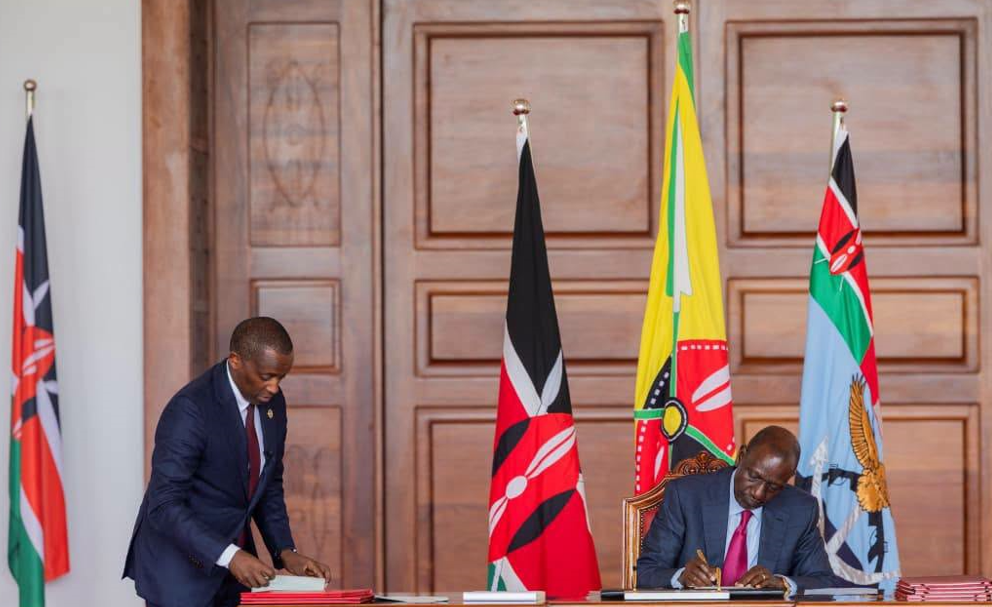
The Kenyan government has announced a Ksh 21.5 billion plan to stabilize fuel prices amid global oil market uncertainties. President William Ruto revealed this intervention on Tuesday while signing the Finance Bill 2026, aiming to prevent sharp increases in pump prices for Kenyans in the upcoming months.

Analysts suggest that there may be relief in fuel prices as Brent crude oil prices have recently dropped significantly to approximately 73 dollars per barrel. This decline in oil prices could potentially lead to lower fuel costs for consumers.

Uganda's annual inflation rate increased to 3.2 percent in May from 3 percent in April, primarily due to rising fuel and transport costs associated with higher global oil prices. This trend has raised concerns at the Bank of Uganda regarding external inflation pressures, while food prices have remained relatively stable. The Uganda Bureau of Statistics reported a monthly consumer price rise of 0.7 percent.

According to The South African Biz, recent fuel price data indicates significant reductions in the prices of both petrol and diesel in South Africa, despite the conclusion of the government's temporary fuel levy relief program. Motorists are expected to benefit from these price cuts next week.

The Kenyan government has announced a Ksh 21.5 billion plan to stabilize fuel prices amid global oil market uncertainties. President William Ruto revealed this intervention on Tuesday while signing the Finance Bill 2026, aiming to prevent sharp increases in pump prices for Kenyans in the upcoming months.