Punch·56d ago

Lagos State is encouraging businesses to implement green packaging and sustainable logistics practices in the e-commerce sector to promote economic growth and protect the environment, according to Punch.
Latest stories tagged “sustainability”
Lagos State is encouraging businesses to implement green packaging and sustainable logistics practices in the e-commerce sector to promote economic growth and protect the environment, according to Punch.
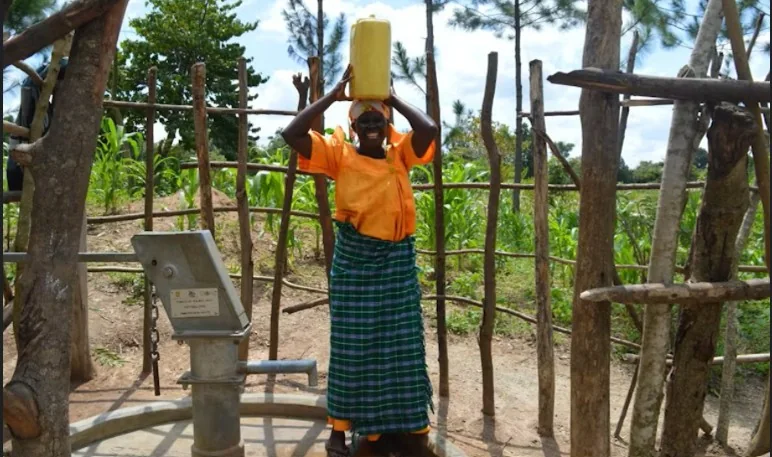
Experts assert that existing agricultural innovations can significantly improve global food systems, but emphasize the need for increased investment, enhanced partnerships, and more effective scaling strategies to achieve sustainable change.
At the Financing Agri-Food Systems Sustainably (FINAS 2026) Conference in Nairobi, agroecology advocates emphasized that the future of Kenya's food system depends not only on agricultural production but also on farmers' ability to earn a decent living. They called for increased investment in sustainable agriculture to support this goal.
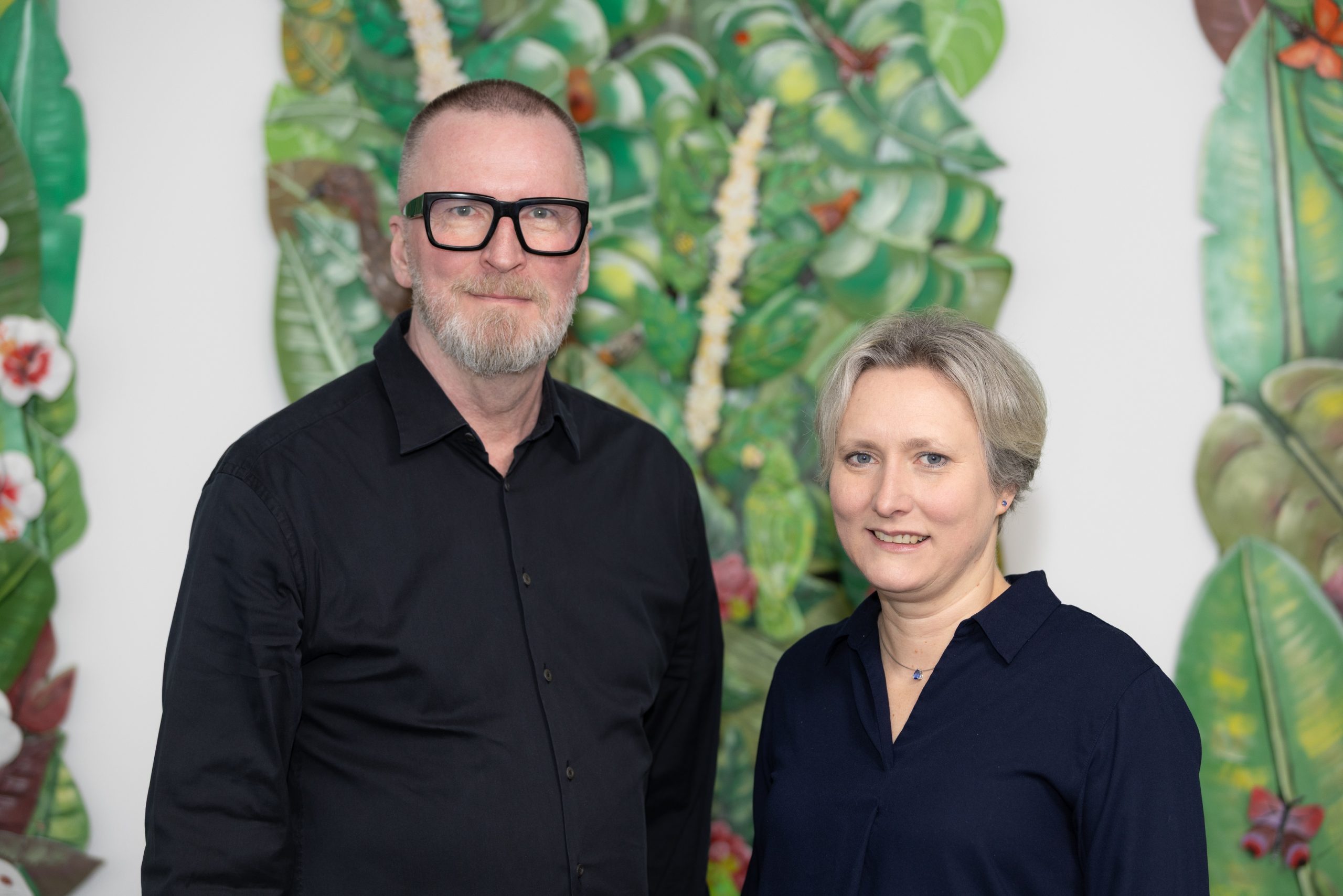
Thousands of smallholder coffee farming families in Tanzania are set to benefit from ongoing agricultural and community development programs following a leadership transition at the Hanns R. Neumann Stiftung (HRNS), a prominent foundation focused on sustainable coffee farming. The foundation has a history of collaboration with farming communities to enhance their livelihoods.

Dr Kimani Muturi, a former teacher from Baringo, has established a successful textile business in Uganda that utilizes discarded banana stems to create products such as bags, carpets, and hair extensions.

Quentin Faltain, after experiencing three job losses, decided to reshape his career by founding CQC Business Solutions. This company focuses on providing integrated workplace solutions with an emphasis on innovation, empowerment, and sustainability.

According to TimesLIVE, the dynamics of power in Africa are shifting, with renewable energy becoming a significant part of the solution to energy challenges on the continent. This change reflects a broader trend towards sustainable energy sources in response to various socio-economic factors.

According to TimesLIVE, Africa's economic growth is significantly dependent on the ability of small and medium-sized enterprises (SMEs) to efficiently manage financial transactions, endure economic shocks, and engage fully in the market. The development of robust financial systems is essential for these businesses to thrive and contribute to a sustainable economic transition.

Tanzania aims to achieve its goal of becoming a middle-income, industrialized economy by focusing on reliable, affordable, and sustainable energy. The country recognizes that without sufficient electricity to support industries, businesses, and household needs, economic transformation will be limited. Consequently, energy development has been prioritized as a strategic national objective, according to Daily News.
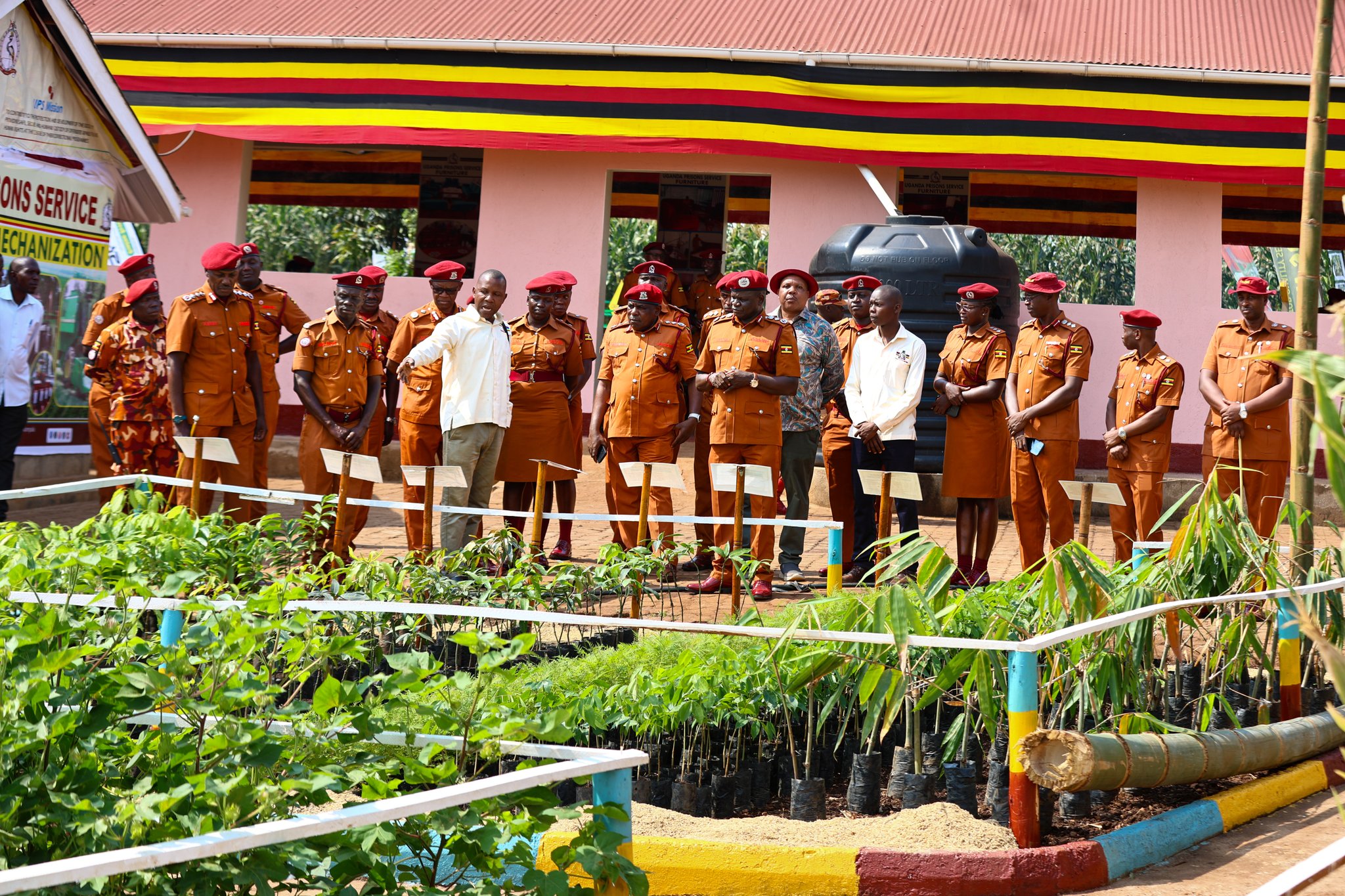
The Uganda Prisons Service has initiated Farmer Field Schools to provide farmers with practical agricultural knowledge and technical skills aimed at enhancing productivity and promoting sustainable farming. This initiative was announced during the 32nd National Agricultural Show in Jinja, with the prisons authority stating that the centers will offer location-specific training to farmers.

The Nigerian federal government has launched a national initiative to incorporate electric cooking into the country's Clean Cooking Policy. This initiative aims to attract investment, enhance access to clean energy, and decrease reliance on firewood and other polluting cooking fuels.

Busitema University has acquired a fully electric Kayoola bus from Kiira Motors, following in the footsteps of Makerere University. This move is part of the institution's commitment to adopting homegrown green mobility solutions, promoting sustainable transportation options.
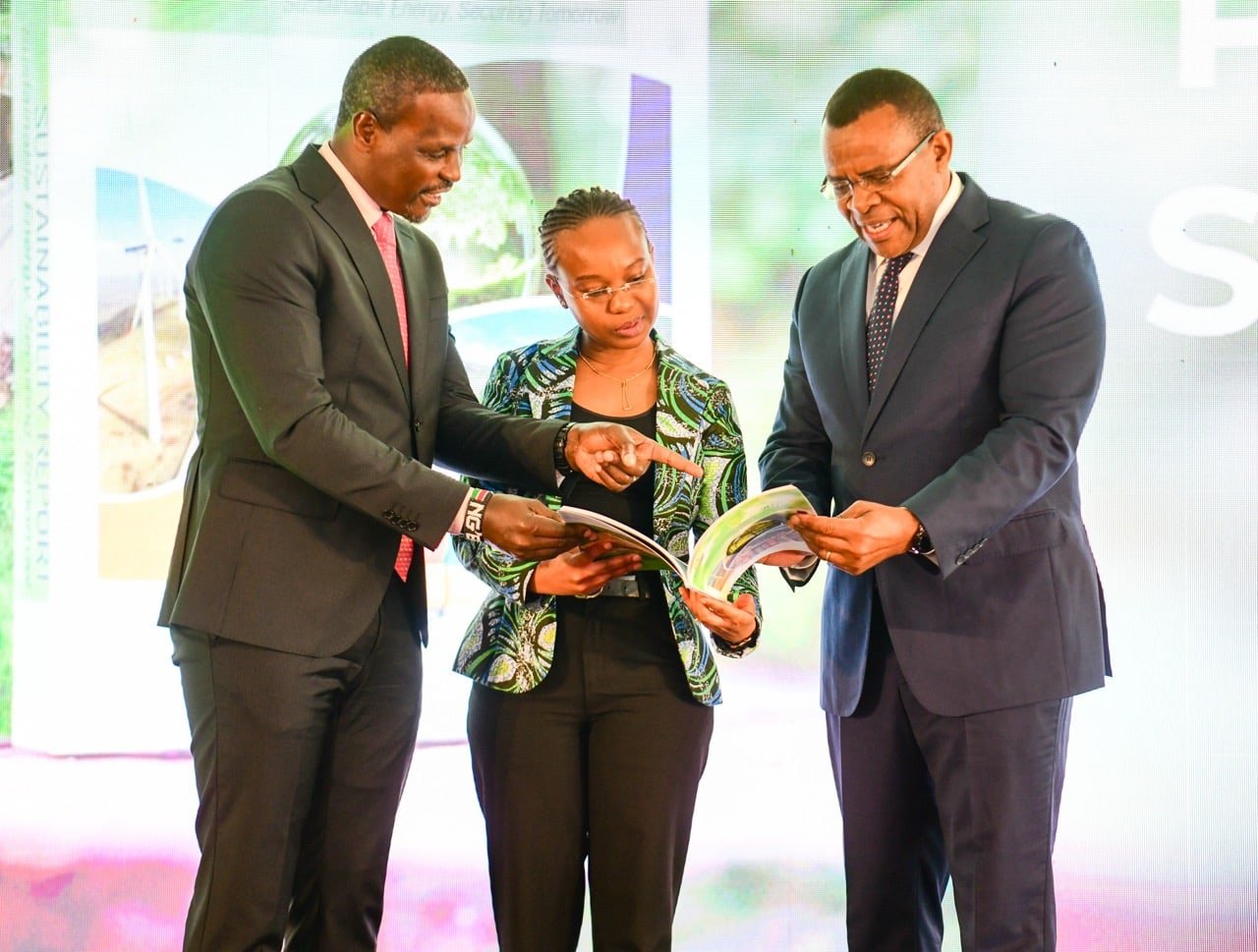
KenGen has increased its power generation target to 5,500MW and has released its inaugural sustainability report. The report outlines the projects and initiatives that are part of this expanded pipeline, detailing the company's plans for future energy production.

The University of Johannesburg has been recognized as the top university in South Africa and Africa for its sustainability impact, achieving a global ranking of 39th in the 2026 Times Higher Education Sustainability Impact Ratings.
A professor has called for collaborative efforts among stakeholders to promote sustainable forest management in Nigeria, emphasizing the importance of ecosystem preservation. This initiative aims to address the challenges facing forest resources in the country.
A new report indicates that businesses that depend on recurring cost-cutting measures may jeopardize their long-term competitiveness. The findings highlight the importance of cost transformation strategies for sustainable growth.

Rt. Hon. Sam Onuigbo, the new President of GLOBE International, has stated that Nigeria and other African nations will maintain their international partnerships focused on environmental sustainability. This commitment reflects Nigeria's ongoing efforts to engage with global initiatives aimed at addressing environmental challenges.

In Uganda, small operators are transforming food scraps and market waste into a burgeoning agribusiness through black soldier fly farming. In the Kasese district, Ugavoil processes approximately 40 metric tonnes of municipal waste daily, extracting around 10 tonnes of organic material, which is further supplemented by avocado-processing waste from a local factory. This innovative approach is gaining traction, although it remains relatively unknown to many Ugandans.
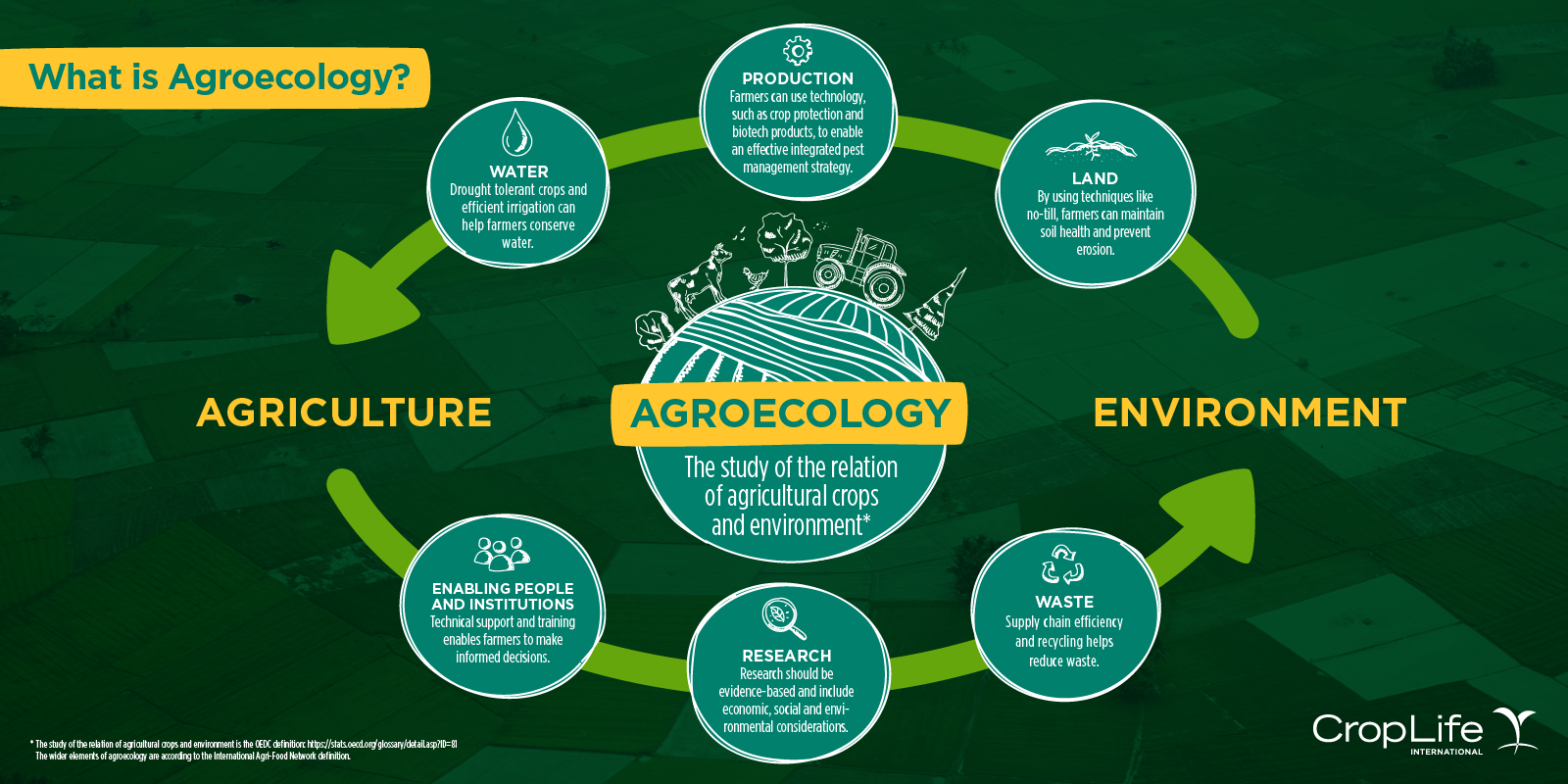
In Tanzania and across Africa, farmers are increasingly adopting agroecology, a sustainable agricultural approach that integrates ecological principles with local knowledge and innovation. This shift aims to enhance food security and resilience against climate shocks while improving productivity and income for households that rely on agriculture for their livelihoods.

The University of Johannesburg (UJ) has been recognized as Africa's leading university for sustainability impact, according to TimesLIVE. The vice-chancellor emphasized the institution's commitment to being the best university for the world rather than striving to be the best globally.
The Nigerian federal government has launched a national initiative to incorporate electric cooking into the country's Clean Cooking Policy. This initiative aims to attract investment, enhance access to clean energy, and decrease reliance on firewood and other polluting cooking fuels.
Busitema University has acquired a fully electric Kayoola bus from Kiira Motors, following in the footsteps of Makerere University. This move is part of the institution's commitment to adopting homegrown green mobility solutions, promoting sustainable transportation options.